Dachshund (Smooth-Haired) Breed Guide: Facts, Tips & Health
Often called the 'sausage dog', the smooth-haired Dachshund is a courageous and spirited companion with an iconic silhouette and a big personality to match.
By By PetNetUK ·
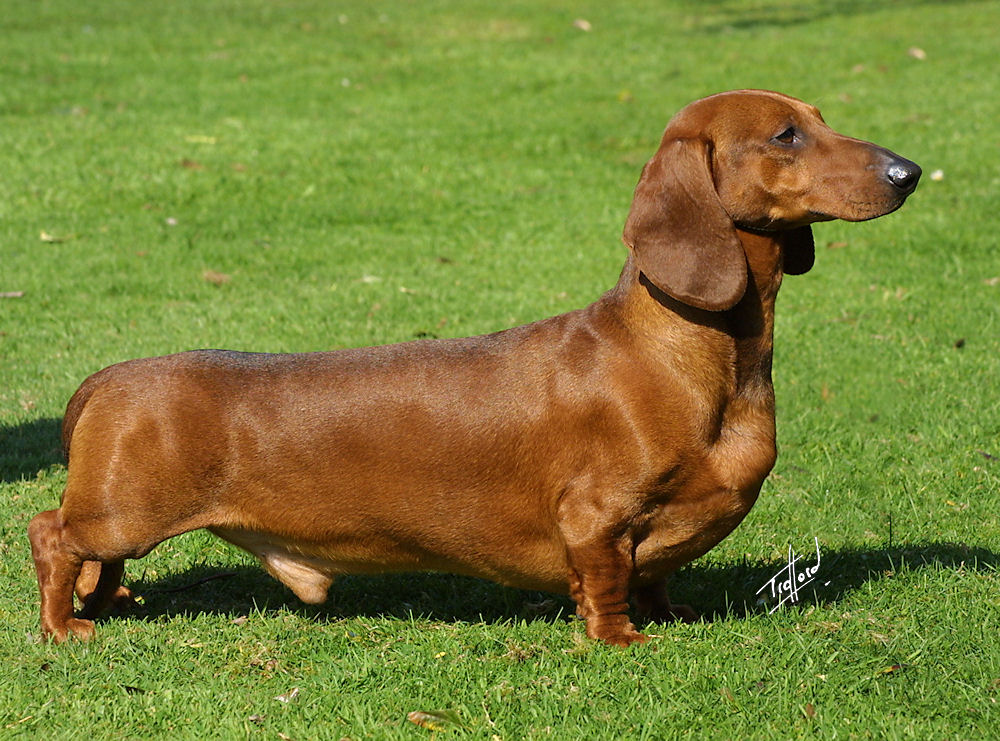
About the Dachshund (Smooth-Haired)
The Smooth-Haired Dachshund is perhaps one of the most recognisable breeds in the United Kingdom. Originating from Germany, where they are known as the Dackel or Teckel, these dogs were originally bred as formidable hunters. Their short legs and long, slender bodies allowed them to trail scents and pursue quarry—specifically badgers—into underground burrows. Despite their small stature, they possess the heart of a lion and a deep, resonant bark that belies their size.
In the modern British home, the smooth-haired variety is cherished for its sleek appearance and relatively low-maintenance coat. They are members of the Hound group, which explains their keen sense of smell and occasional stubbornness when they find an interesting scent. While they are now primarily companion animals, they retain the tenacity and independence of their hunting ancestors. This combination of bravery and affection makes them a unique addition to the household.
Characteristically, these dogs are playful and clever, though they can be somewhat wary of strangers. They tend to form exceptionally strong bonds with their primary owners, often following them from room to room. Their personality is often described as 'grand', as they seem entirely unaware of their small physical height. Whether living in a city flat or a country cottage, the Dachshund brings a sense of life and character to any environment.
Quick Facts
* Kennel Club Group: Hound
* Original Purpose: Badger hunting and tracking
* Coat Type: Short, dense, and smooth with a natural sheen
* Life Expectancy: 12–16 years
* Temperament: Courageous, independent, and loyal
* Exercise Requirements: Moderate (approximately 45–60 minutes daily)
* Common Colours: Red, Black and Tan, Chocolate and Tan, and Dapple variants
Training & Care Tips
Training a Smooth-Haired Dachshund requires patience, consistency, and a sense of humour. As hounds, they were bred to think for themselves, which can manifest as a streak of independence during training sessions. Positive reinforcement is essential; they respond far better to praise and high-value treats than to harsh corrections. Keep training sessions short and engaging to prevent them from becoming bored or distracted by competing scents.
Socialisation is vital from an early age. Because they can be protective of their owners and naturally suspicious of the unknown, exposing them to various sights, sounds, and other dogs early on will help ensure they grow into well-adjusted adults. It is particularly important to work on recall, as their hunting instinct may cause them to ignore commands if they spot a squirrel or a rabbit during a walk.
Grooming the smooth-haired variety is straightforward compared to their long-haired or wire-haired cousins. A weekly brush with a rubber mitt or a soft-bristle brush will remove loose hairs and keep the coat gleaming. They are generally clean dogs with little 'doggy' odour. Pay special attention to their long, floppy ears, which should be checked and cleaned regularly to prevent infections caused by debris or moisture buildup.
Puppy Tips
When bringing a Dachshund puppy home, it is important to remember that they are remarkably fragile despite their bold nature. Their long spines are susceptible to injury, so you must learn how to support both their chest and hindquarters whenever you pick them up. Discouraging jumping off sofas or beds from a young age is a crucial habit to establish, as high-impact landings can lead to serious back issues later in life.
House-training a Dachshund puppy can sometimes take longer than with other breeds. They can be sensitive to the British weather and may be reluctant to head outside if it is cold or raining. Consistency is key; establish a strict routine and reward successful outdoor toilets immediately. Providing a coat for your puppy during winter walks can help make the experience more pleasant for them.
Health
The most significant health consideration for any Dachshund owner is Intervertebral Disc Disease (IVDD). Due to their long back and short ribcage, their spinal discs are under significant pressure. Maintaining a healthy weight is the single most effective way to protect their spine, as any excess weight puts unnecessary strain on their vertebrae. Using ramps for furniture and avoiding stairs where possible are also highly recommended preventative measures.
Other health checks for the breed include monitoring for Progressive Retinal Atrophy (PRA), an eye condition that can affect vision. When purchasing a puppy, ensure the breeder has conducted the relevant DNA tests for PRA. Routine vet visits should also focus on dental health, as small breeds can be prone to tartar buildup and gum disease. With the correct diet, weight management, and preventative care, many Dachshunds live long, healthy lives well into their mid-teens.
Advice for Owners
Owning a Smooth-Haired Dachshund is a rewarding experience, but it requires an owner who understands their specific needs. They are social creatures who do not enjoy being left alone for long periods. If you work long hours away from home, a Dachshund may not be the ideal choice unless you can arrange for a dog walker or day care. They thrive on companionship and like to be involved in all family activities.
Outdoor exercise is important, but it should be structured. While they love a good sniff in the park, they are not suited for long-distance running or high-impact agility due to their physical build. A steady walk and some mental stimulation, such as scent games or puzzle toys, will keep them satisfied. Be mindful of their barking tendencies; they are excellent watchdogs but may need training to ensure they do not bark excessively at every passer-by.
Finally, ensure your home is 'Dachshund-safe'. This means securing gardens so they cannot dig their way out and assessing the 'jump risks' in your living room. Providing a warm, burrow-like bed—often called a 'snuggle tunnel'—will satisfy their natural instinct to den. If you provide them with security, a healthy diet, and plenty of affection, your Dachshund will be a loyal and entertaining companion for many years to come.
---
Disclaimer
The information in this breed guide is compiled from multiple professional sources, including The Kennel Club, veterinary references, and breed-specific organisations. It is intended for general educational purposes only and is not a substitute for advice from a qualified veterinarian or accredited breeder. Always consult a professional regarding your individual dog's health, training, and care needs.