Newfoundland Breed Guide: Facts, Tips & Health
Discover the gentle giant of the canine world. Learn about the Newfoundland’s history as a fisherman’s companion and why they are the ultimate family protector.
By By PetNetUK ·
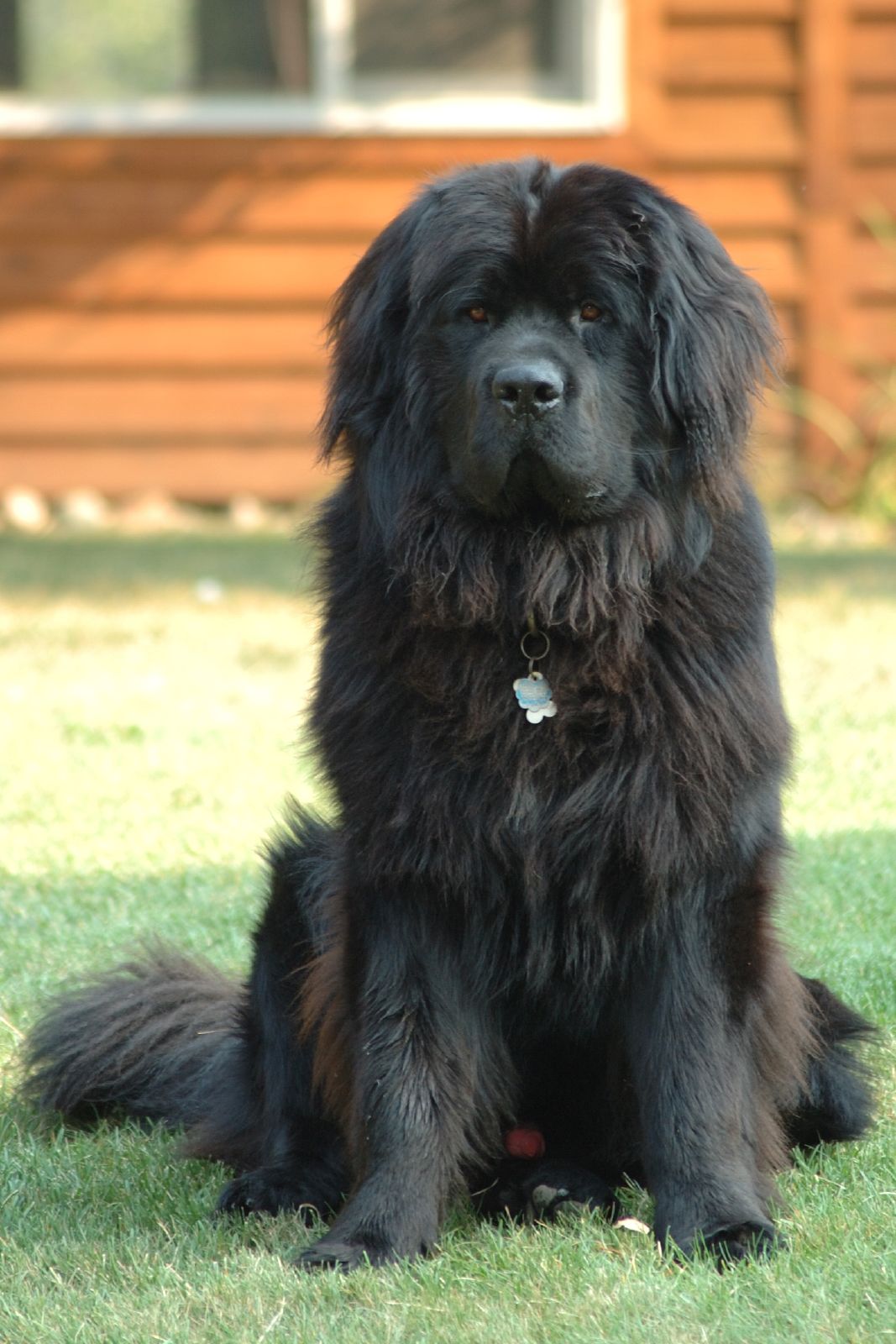
About the Newfoundland
The Newfoundland is a truly remarkable breed, often referred to as the 'Gentle Giant' of the dog world. Originating from the Dominion of Newfoundland, which later became part of Canada, these dogs were purpose-bred for the harsh Atlantic coast. Historically, they served as indispensable companions to local fishermen, hauling heavy nets out of the icy waters and performing daring water rescues. Their thick, water-resistant double coats and webbed feet make them supreme swimmers, a trait they retain to this day.
In terms of appearance, the Newfoundland is a massive, powerful dog with a heavy bone structure and a dignified expression. While modern standards recognise various colours, including grey and brown, historical tradition in Newfoundland once strictly favoured black and the white-and-black 'Landseer' variety. Named after the artist Sir Edwin Landseer, who popularised the bicolour coat in his paintings, the Landseer remains a classic look for the breed.
Despite their intimidating size, the Newfoundland is world-renowned for its sweet temperament and patience. They are exceptionally soft-natured with children and possess a natural instinct to protect their families. This combination of strength and serenity makes them one of the most beloved working breeds globally, provided owners have the space to accommodate their substantial physical presence.
Quick Facts
* Kennel Club Group: Working
* Original Purpose: Fisherman's helper, water rescue, and draught work.
* Size: Large to giant; males can weigh between 60kg and 70kg.
* Lifespan: Typically 8 to 10 years.
* Coat: Flat, water-resistant double coat. Colours include black, brown, grey, and Landseer (white and black).
* Exercise Needs: Moderate, but requires daily walking and mental stimulation.
* Grooming: High maintenance due to heavy shedding and the tendency to drool.
Training & Care Tips
The Newfoundland is a highly intelligent breed that responds best to positive, reward-based training. Because of their sensitive nature, harsh corrections should be avoided, as they may become withdrawn. Since they grow to such a significant size, early socialisation and lead training are non-negotiable. An adult Newfoundland that pulls on the lead is a challenge for even the strongest owner, so teaching them to walk politely whilst young is essential.
Grooming is a significant part of caring for this breed. They shed heavily twice a year, but moderate shedding occurs year-round. You will need a sturdy slicker brush and an undercoat rake to prevent matting. Additionally, potential owners must be prepared for 'drool.' Newfoundlands are notorious for salivating, so keep a 'slobber cloth' nearby to wipe their muzzles after they drink or eat.
Regarding exercise, these dogs do not require hours of high-intensity running. In fact, due to their size, low-impact exercise is preferred to protect their joints. Swimming is the ideal activity for a Newfoundland, allowing them to burn energy and use their natural instincts without putting strain on their limbs. In the summer months, be extremely cautious about heatstroke; their thick coats mean they struggle in direct sun and high temperatures.
Puppy Tips
Bringing a Newfoundland puppy home is an exciting experience, but it requires careful planning. First and foremost, you must ensure your home is 'puppy-proofed' for a dog that will quickly grow to be very heavy. Avoid allowing puppies to jump off furniture or run on slippery wooden floors, as this can cause permanent damage to their developing growth plates and joints.
Proper nutrition during the puppy stage is critical. They require a high-quality diet specifically formulated for giant breeds to ensure they do not grow too quickly. Rapid growth can lead to skeletal issues later in life. Consult your vet to monitor their weight and skeletal development throughout the first 18-24 months of their life, which is when they typically reach full physical maturity.
Socialisation should begin as soon as your puppy is fully vaccinated. Introduce them to a variety of people, other dogs, and environments. Because of their size, a well-socialised Newfoundland is a safe Newfoundland. Aim to introduce them to the water early if you intend for them to swim, ensuring the experience is positive and shallow to build their confidence.
Health
Like many giant breeds, the Newfoundland is prone to certain hereditary health conditions. Hip and elbow dysplasia are common concerns, where the joints do not fit together perfectly, leading to arthritis over time. Responsible breeders will always provide hip and elbow scores for the parent dogs to minimise the risk of these issues in their litters.
Heart conditions, specifically Subvalvular Aortic Stenosis (SAS), are a known issue within the breed. This is a narrowing of the area below the aortic valve that can lead to heart failure. Heart testing for breeding stock is standard practice among reputable UK breeders. Additionally, Cystinuria, a genetic kidney defect that causes stones, can affect the breed, though DNA tests are available to identify carriers.
Another significant risk for Newfoundlands is Gastric Torsion, commonly known as bloat. This is a life-threatening condition where the stomach twists. To help prevent this, it is recommended to feed smaller, frequent meals rather than one large meal and to avoid vigorous exercise immediately before or after feeding.
Advice for Owners
Owning a Newfoundland is a major commitment of both time and money. Everything is more expensive with a giant breed, from high-quality food in large quantities to veterinary medications and flea treatments which are based on weight. You also need a vehicle large enough to transport them comfortably and a house with enough floor space for them to stretch out without being a trip hazard.
You must be comfortable with a certain level of mess. Between the mud they bring in on their large paws and the drool that can end up on your walls and furniture, they are not the ideal dog for the house-proud. However, for those who can look past the fur and saliva, the Newfoundland offers a level of companionship and loyalty that is hard to match.
Ultimately, if you have the space, the budget, and the time for grooming, the Newfoundland is a rewarding family member. They are gentle enough to trust around children and calm enough to be a peaceful presence in the home. They are true companions who thrive on being part of the family unit and will reward your care with unwavering devotion.
---
Disclaimer
The information in this breed guide is compiled from multiple professional sources, including The Kennel Club, veterinary references, and breed-specific organisations. It is intended for general educational purposes only and is not a substitute for advice from a qualified veterinarian or accredited breeder. Always consult a professional regarding your individual dog's health, training, and care needs.