Bouvier des Flandres Breed Guide: Facts, Tips & Health
A rugged and steadfast farm hand from Flanders, the Bouvier des Flandres is a versatile working dog that makes a loyal and protective companion for the right household.
By By PetNetUK ·
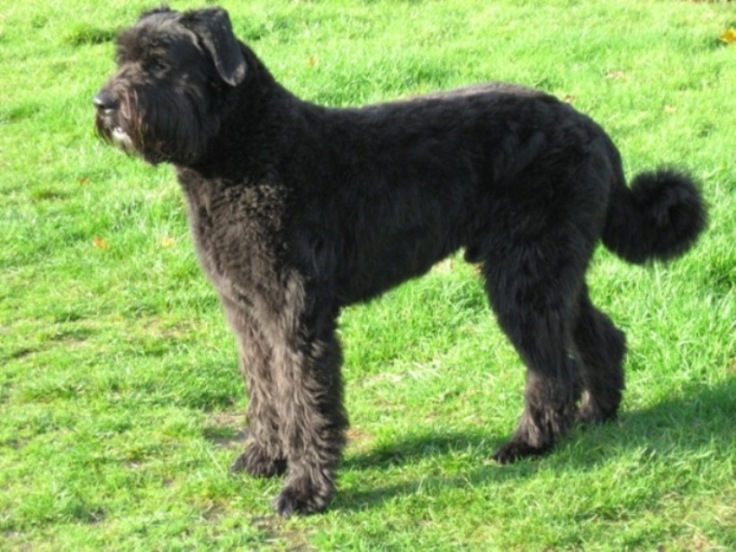
About the Bouvier des Flandres
The Bouvier des Flandres is a powerhouse of the canine world, hailing from the Flanders region that spans Belgium and France. Originally bred as a utilitarian farm dog, their name literally translates to 'Cow Herder of Flanders'. Historically, these dogs were expected to be 'jacks of all trades', tasked with everything from droving cattle and herding sheep to pulling heavy carts for farmers and merchants. Their history is one of resilience; the breed nearly faced extinction during the World Wars, as their homeland became a battlefield, but they were preserved thanks to their invaluable service as messenger and ambulance dogs.
In modern times, the Bouvier has transitioned from the farmyard to a variety of roles, including guard dog duties, police work, and search and rescue. Despite their imposing, weather-beaten appearance, they are remarkably agile and possess a steady, sensible temperament. They are known for being deeply loyal to their families, often forming a particularly strong bond with those they consider their 'flock'. However, their protective instincts and heritage as a guardian mean they can be naturally wary of strangers until properly introduced.
Physically, the Bouvier is a compact, powerful dog with a distinctive rough double coat that protects them from the harsh elements. Their most recognisable features are the heavy beard and moustache, which give them an air of wisdom and dignity. While they are classified in the Working group by the Kennel Club, they retain the strong herding instincts of their ancestors, making them an active and engaged companion for owners who appreciate a dog with a 'job' to do.
Quick Facts
* Kennel Club Group: Working
* Original Purpose: Cattle droving, cart pulling, and general farm work
* Average Height: 59cm to 68cm depending on gender
* Average Weight: 27kg to 40kg
* Coat Type: Double coat; harsh and wiry outer layer with a dense, soft undercoat
* Colourings: Brindle, black, fawn, or grey brindle; often with a dark mask
* Life Expectancy: 10 to 12 years
* Temperament: Calm, sensible, protective, and highly intelligent
Training & Care Tips
Training a Bouvier des Flandres requires a firm yet fair approach. They are highly intelligent and independent thinkers, which can sometimes be mistaken for stubbornness. Because they were bred to work closely with their owners while making autonomous decisions in the field, they respond best to consistent, reward-based training. Harsh methods should be avoided, as these dogs value respect and can become withdrawn if handled too roughly. Early socialisation is paramount to ensuring their protective nature remains manageable and does not turn into over-protectiveness or suspicion of everyone who enters the home.
In terms of exercise, the Bouvier is a high-energy breed that needs substantial mental and physical stimulation. A simple walk around the block will rarely suffice; they thrive on long hikes, fetch sessions, and dog sports like agility or obedience trials. Without a proper outlet for their energy, they can become bored and may resort to destructive behaviours. Mental exercise is just as important; food puzzles and scent work can help keep their sharp minds occupied.
Grooming a Bouvier is a significant commitment. Their thick, double coat is famous for trapping dirt, burrs, and water. They require thorough brushing at least twice a week to prevent the undercoat from matting. Many owners choose to have their Bouvier professionally clipped every few months to keep the coat at a manageable length, though the iconic beard will always need regular cleaning after mealtimes. They are often described as 'low-shedding', but this is because the loose hair gets trapped in the coat, meaning you must brush it out manually.
Puppy Tips
When bringing a Bouvier puppy home, the primary focus should be on socialisation. Between the ages of 8 and 16 weeks, expose your puppy to as many different sights, sounds, and people as possible. Introduce them to postmen, children, other vaccinated dogs, and urban noises. This helps temper their natural guarding instincts, ensuring they grow into a discerning and confident adult rather than a fearful or reactive one.
Be mindful of their growing joints. As a large breed, Bouvier puppies grow rapidly, and over-exercising them on hard surfaces before their growth plates have fused can lead to long-term skeletal issues. Follow the 'five-minute rule' for formal exercise (five minutes of walking for every month of age, twice a day) and allow them plenty of time for self-directed play in a garden or safe area. Crate training is also highly recommended during the puppy stage, as it provides a safe 'den' for them to retreat to and aids in house-training.
Health
The Bouvier des Flandres is generally a robust and healthy breed, but like all large dogs, they are prone to certain hereditary conditions. Responsible breeders will screen their stock for hip and elbow dysplasia, as well as several eye conditions. Prospective owners should always ask to see the hip scores and eye certificates of both parents before committing to a puppy.
One specific concern for the breed is Gastric Torsion, commonly known as Bloat. This is a life-threatening condition where the stomach twists, often occurring in deep-chested breeds. Owners should learn the signs of bloat and take precautions, such as using slow-feeder bowls and avoiding vigorous exercise immediately before or after meals. Additionally, some Bouviers may be prone to hypothyroidism or heart issues, making regular veterinary check-ups essential for early detection and management.
Advice for Owners
Owning a Bouvier des Flandres is a rewarding experience, but it is not a responsibility to be taken lightly. These are 'big' dogs in every sense—big in size, big in personality, and big in their requirements for time and attention. They are best suited to owners who have experience with guarding or working breeds and who have the physical space to accommodate a large, active dog. While they make excellent family pets and are usually gentle with children they know, their size and herding instincts mean they should always be supervised around youngsters.
If you value a clean, pristine home, the Bouvier may not be the ideal choice. Their beard acts like a sponge for water and mud, which they will inevitably deposit on your trousers or furniture. However, for the active family or individual looking for a loyal, protective, and deeply intelligent companion who will follow them through thick and thin, the Bouvier des Flandres is a peerless choice. They are true partners, and once you have earned the respect of a Bouvier, you will have a devoted friend for life.
---
Disclaimer
The information in this breed guide is compiled from multiple professional sources, including The Kennel Club, veterinary references, and breed-specific organisations. It is intended for general educational purposes only and is not a substitute for advice from a qualified veterinarian or accredited breeder. Always consult a professional regarding your individual dog's health, training, and care needs.