Dachshund (Long-Haired) Breed Guide: Facts, Tips & Health
Discover the charm of the Long-Haired Dachshund, a small hound with a large personality and a stunning, silky coat. Learn about their care, training, and heritage in our guide.
By By PetNetUK ·
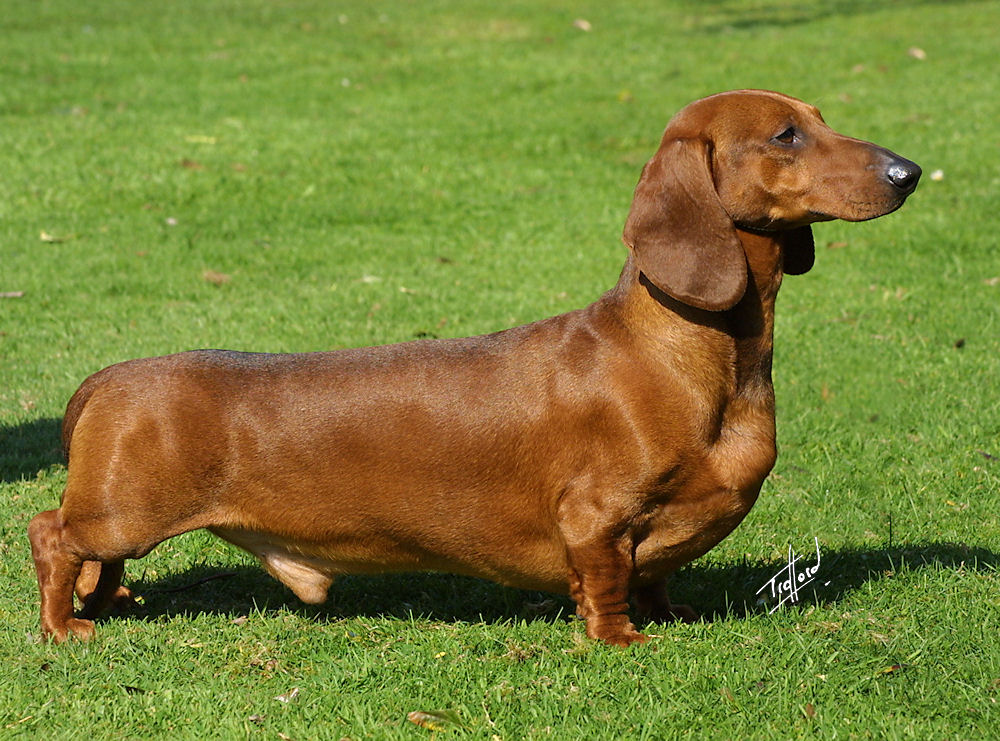
About the Dachshund (Long-Haired)
The Dachshund, often affectionately referred to as the 'Sausage Dog', originated in Germany where it was bred for hunting. Known natively as the Dackel or Teckel, these dogs were designed with short legs and long bodies to follow quarry, particularly badgers, into their underground burrows. While they belong to the Hound group, they possess a tenacity often associated with terriers.
The Long-Haired variety is distinguished by its elegant, silky coat which is often slightly wavy. It is widely believed that the long-haired coat was developed by crossing the smooth-haired Dachshund with spaniels, resulting in a breed that is often considered the softest and most manageable in temperament among the three coat types. They retain the classic ‘low to the ground’ silhouette but carry themselves with an air of refinement.
Despite their small stature, these dogs have a large presence. They are famously courageous, loyal, and possess a surprisingly deep bark for their size. In a domestic setting, they are excellent companions who enjoy being part of family activities, though their independent hound nature means they can occasionally be stubborn if they find something more interesting to investigate than their owner’s commands.
Quick Facts
* Kennel Club Group: Hound
* Size: Available in two sizes: Standard (9-12kg) and Miniature (usually under 5kg)
* Lifespan: 12-16 years
* Temperament: Loyal, courageous, and gentle but independent
* Coat Type: Long, sleek, and often slightly wavy
* Colours: Variety of shades including red, black and tan, and dapple
* Exercise Needs: Moderate; they enjoy walks but do not require hours of intense running
Training & Care Tips
Training a Long-Haired Dachshund requires patience and consistency. Because they were bred to hunt independently, they can be somewhat ‘wilful’. Positive reinforcement is essential; they respond well to food rewards and praise. Harsh corrections should be avoided, as this breed can be sensitive. Early socialisation is key to ensuring they grow up to be confident around other dogs and strangers.
Grooming is a significant part of caring for the long-haired variety. Their coat requires brushing at least two to three times a week to prevent tangles and mats, particularly around the ears, chest, and under the tail. Regular trimming of the hair between the paw pads is also necessary to maintain grip on slippery floors and to prevent debris from being trapped.
Exercise should be consistent but mindful of their unique anatomy. While they are active dogs, it is important to avoid activities that put undue strain on their long backs. Encouraging them to walk on horizontal surfaces rather than jumping up and down from furniture or navigating steep stairs will help protect their spinal health over the long term.
Puppy Tips
When bringing a Long-Haired Dachshund puppy home, it is vital to begin house-training immediately. Dachshunds can be notoriously slow to house-train, so establishing a strict routine and offering plenty of opportunities for outdoor toilet breaks will set them up for success. Be patient and expect a few accidents in the early weeks.
Puppy-proofing your home is also essential. Due to their low height, they can easily get into small gaps or find items on the floor that may be hazardous. Ensure that any garden areas are securely fenced, as their hunting instinct may lead them to dig or squeeze through small holes if they catch the scent of something interesting.
Socialisation should start as soon as your vet confirms it is safe. Expose your puppy to different sounds, sights, and people in a controlled manner. This helps to mitigate the naturally wary or 'yappy' tendencies that some Dachshunds can develop if they feel insecure in new environments.
Health
The most significant health consideration for any Dachshund is Intervertebral Disc Disease (IVDD). Their elongated spines are susceptible to injury, which can lead to pain or paralysis. Owners should maintain their dog at a healthy weight to reduce pressure on the back and consider using ramps for access to sofas or beds.
Because of their pendant ears, Long-Haired Dachshunds can be prone to ear infections. Moisture and wax can build up under the heavy ear flaps, so regular inspections and gentle cleaning are advised. Keeping the hair around the ear canal trimmed can also improve airflow.
Finally, dental hygiene is important for small breeds. Dachshunds can be prone to tartar build-up and gum disease. Starting a tooth-brushing routine from a young age and providing appropriate dental chews will help maintain their oral health throughout their lives.
Advice for Owners
Living with a Long-Haired Dachshund is a rewarding experience, but it requires an understanding of their specific needs. They are very affectionate and often form a particularly strong bond with one person in the household. They thrive on companionship and do not like to be left alone for long periods, which can lead to separation anxiety and excessive barking.
Prospective owners should be prepared for a dog that likes to ‘speak’. They are excellent watchdogs and will alert you to any visitors, but this can become a nuisance if not managed with training. Teaching a 'quiet' command early on is highly beneficial for peaceful living, especially in terraced or semi-detached homes.
Lastly, ensure you purchase from a reputable breeder who prioritises health screening, particularly for back issues and eye conditions. A well-bred Long-Haired Dachshund is a sturdy, spirited, and beautiful companion that will bring a great deal of character and joy to your home for many years.
---
Disclaimer
The information in this breed guide is compiled from multiple professional sources, including The Kennel Club, veterinary references, and breed-specific organisations. It is intended for general educational purposes only and is not a substitute for advice from a qualified veterinarian or accredited breeder. Always consult a professional regarding your individual dog's health, training, and care needs.