Briard Breed Guide: Facts, Tips & Health
Discover the loyal and courageous Briard, the French shepherd dog renowned for its distinctive coat and 'heart of gold wrapped in fur'. A devoted and protective family companion.
By By PetNetUK ·
About the Briard
The Briard, or Berger de Brie, is a distinguished French pastoral breed with a rich history dating back centuries. Traditionally, these large shepherd dogs were versatile workers on French farms, used both for herding large flocks and defending them from predators. In its native land, the breed was formerly known as the Chien de Berger français de Plaine, reflecting its heritage as a shepherd of the plains.
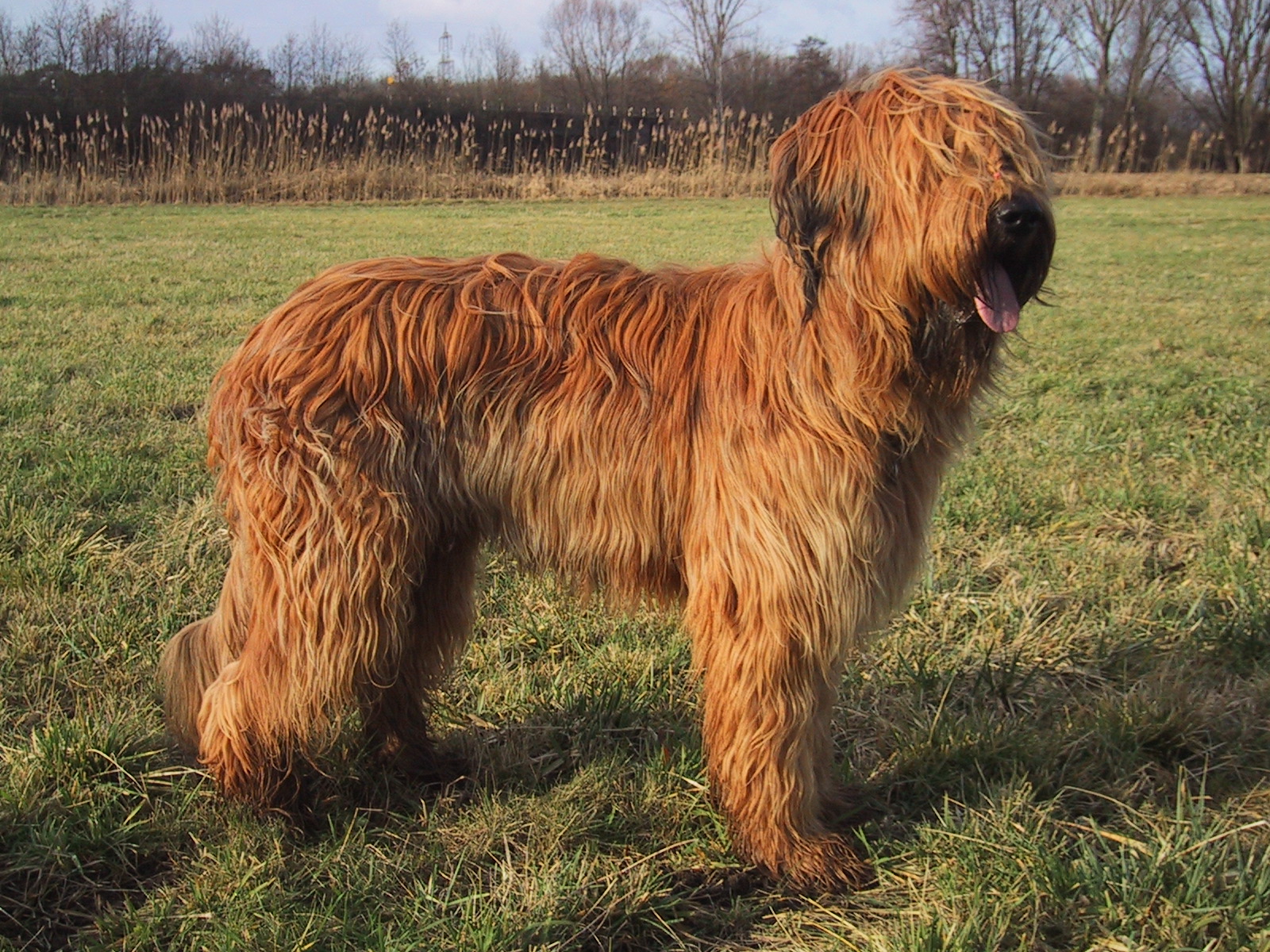
Physically, the Briard is most recognisable for its long, wavy coat and impressive stature. They are powerful dogs with a confident, effortless gait. Underneath that abundant hair lies a muscular and agile animal capable of long days of work. Their most endearing feature is often cited as their temperament; they are intensely loyal to their families and possess an intelligent, inquisitive nature that makes them excellent companions for active households.
While they were once essential for agriculture, today’s Briard is more likely to be found as a beloved family pet or competing in dog sports. They retain their protective instincts and remain naturally wary of strangers, making them excellent watchdogs. Their devotion to their 'pack' is unparalleled, often earning them the description of being a 'heart of gold wrapped in fur'.
Quick Facts
* Kennel Club Group: Pastoral
* Size: Large (males 62–68 cm; females 58–64 cm)
* Weight: Approximately 27–40 kg
* Lifespan: 10–12 years
* Coat Type: Long, slightly wavy, and coarse (similar to goat hair)
* Colours: Black, fawn, and slate grey are the most common variations
* Distinctive Feature: Double dewclaws on both hind legs are a specific breed requirement for showing
Training & Care Tips
Training a Briard requires a firm yet fair approach. They are highly intelligent dogs who think for themselves, which can occasionally translate into stubbornness if they do not see the point of a command. Early, consistent socialisation is vital to ensure their natural protective instincts do not turn into over-nervousness or aggression around strangers. Positive reinforcement works best, as they are sensitive to harsh corrections.
Exercise is non-negotiable for this breed. They are high-energy dogs that require at least two hours of vigorous activity daily. This should include a mix of long walks, free running in a secure area, and mental stimulation. Engaging them in activities like agility, obedience trials, or scent work is an excellent way to burn off steam and satisfy their working-dog instincts.
Grooming is a significant commitment when owning a Briard. That magnificent coat requires brushing at least several times a week to prevent mats and tangles, which can become painful if left untreated. Many owners find that a professional groomer is needed every few months to help manage the volume of hair, particularly around the feet and ears. Regular checks of their ears and the hair between their pads are essential to keep them comfortable.
Puppy Tips
When bringing a Briard puppy home, it is essential to begin socialisation immediately. Expose them to a wide variety of sounds, smells, people, and other dogs during their first few months. Because they are a pastoral breed, they may have a natural inclination to 'herd' children or other pets by nipping at heels; this behaviour should be gently redirected into appropriate play from an early age.
Dietary management is crucial during their growth phase. As a large breed, Briard puppies must grow at a steady rate rather than too quickly, which can put undue stress on developing joints. Consult with your breeder or vet to choose a high-quality large-breed puppy food. Avoid over-exercising a puppy; short, frequent play sessions are better for their growing bones than long, strenuous hikes.
Health
Like many large breeds, the Briard is prone to certain hereditary conditions that potential owners should be aware of. Gastric Torsion, commonly known as Bloat, is a serious concern. Owners should learn the symptoms and adopt strategies such as feeding smaller, frequent meals and avoiding exercise immediately after eating to mitigate the risk.
Hip dysplasia is another condition seen in the breed. When selecting a puppy, ensure that the parents have been hip-scored under the British Veterinary Association (BVA) scheme. A lower score indicates healthier hips. Responsible breeders will also test for Progressive Retinal Atrophy (PRA), an eye condition that can lead to blindness, and Congenital Stationary Night Blindness (CSNB).
General maintenance health involves keeping their weight in check, as obesity can worsen joint issues. Regular dental cleaning and ensuring their nails are trimmed—especially the double dewclaws which do not wear down naturally—will keep your Briard in top condition throughout their life.
Advice for Owners
The Briard is not a breed for the faint-hearted or those who prefer a sedentary lifestyle. They thrive in homes where they are treated as part of the family and given a 'job' to do. If you have the time to dedicate to grooming, training, and long walks, the reward is a deeply affectionate and protective companion who will follow you from room to room.
Prospective owners should consider the space available to them. While they can adapt to life in a large house with a garden, they are not suited to small apartments or being left alone for long periods. They are very much 'people dogs' and can suffer from separation anxiety if excluded from family activities. If you lead an active outdoor life and want a dog that will be your shadow, the Briard is a magnificent choice.
---
Disclaimer
The information in this breed guide is compiled from multiple professional sources, including The Kennel Club, veterinary references, and breed-specific organisations. It is intended for general educational purposes only and is not a substitute for advice from a qualified veterinarian or accredited breeder. Always consult a professional regarding your individual dog's health, training, and care needs.