Chihuahua (Smooth Coat) Breed Guide: Facts, Tips & Health
The Chihuahua is the world's smallest dog breed, offering a massive personality within a compact frame. Discover if this feisty, loyal companion is the right fit for your home.
By By PetNetUK ·
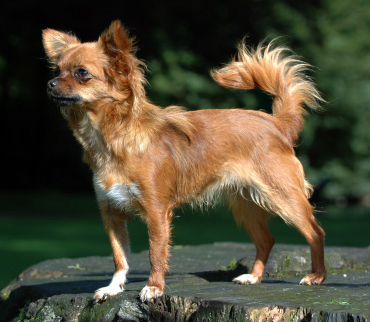
About the Chihuahua (Smooth Coat)
The Chihuahua, or Chihuahueño, is a historic Mexican breed that holds the title of the smallest dog in the world. Named after the Mexican state of Chihuahua, these dogs have a lineage that stretches back to ancient civilisations, likely descending from the Techichi, a companion dog favoured by the Toltec people. Today, they are prized globally as dedicated companions that punch well above their weight in terms of character and spirit.
The Smooth Coat variety is particularly popular for its sleek, low-maintenance appearance. Characterised by a compact, slightly longer than tall body, the breed is instantly recognisable by its 'apple-domed' skull and large, flaring ears that standing erect when the dog is alert. Despite their diminutive stature, Chihuahuas possess a bold, confident temperament. They are often described as 'terrier-like' in their pluckiness, showing little fear even when encountering dogs ten times their size.
While they are remarkably loyal to their primary owners, Chihuahuas can be wary of strangers if not properly socialised. They thrive on human interaction and prefer to be involved in all household activities. Because of their size, they are exceptionally versatile, proving to be excellent companions for city dwellers in flats as well as those in larger country homes, provided they are kept warm and safe.
Quick Facts
* Kennel Club Group: Toy
* Size: The smallest dog breed in the world.
* Weight: Ideally 1.8 to 2.7kg (4–6 lbs).
* Lifespan: Commonly twelve to twenty years.
* Coat Type: Smooth, soft-textured, close and glossy.
* Colours: All colours and patterns are permissible, ranging from solid fawn and white to tri-colour and brindle.
* Exercise needs: Low to moderate; they enjoy short walks and indoor play.
* Temperament: Loyal, feisty, alert, and affectionate.
Training & Care Tips
Training a Smooth Coat Chihuahua requires patience and consistency. Because they are so small, owners often make the mistake of babying them or over-looking 'small dog syndrome' behaviours like excessive barking or jumping. However, Chihuahuas are highly intelligent and respond well to positive reinforcement and reward-based training. Early socialisation is vital to ensure they grow into well-adjusted adults who are comfortable around other dogs and people.
Regarding exercise, while they don't require miles of walking, they still need mental stimulation and daily movement to prevent obesity. Two short walks a day, combined with indoor games, are usually sufficient. Owners must be mindful of the weather; the Smooth Coat variety has very little body fat and a thin coat, making them susceptible to the cold. A small jumper or coat is essential for winter walks in the UK.
Grooming the Smooth Coat Chihuahua is straightforward. A weekly brush with a soft-bristled brush or a rubber grooming mitt will remove loose hairs and keep the coat shiny. They are moderate shedders, but because of their size, the amount of hair produced is manageable. Regular dental care is non-negotiable for this breed, as their small mouths make them prone to tartar build-up and gum disease.
Puppy Tips
When bringing a Chihuahua puppy home, safety is the first priority. Their tiny size makes them vulnerable to being stepped on or injured by falling off furniture. It is often recommended to 'puppy-proof' the home by blocking off small gaps where they might get stuck and providing them with a secure, warm crate or bed where they can rest undisturbed.
House training can sometimes take longer with Chihuahuas than with larger breeds. Their bladders are very small, and they may be reluctant to go outside if it is raining or cold. Consistency is key; take your puppy outside frequently, especially after eating or sleeping, and offer high praise when they succeed. Some UK owners find that using puppy pads indoors during extreme weather can be a helpful temporary measure.
Socialisation should begin as soon as your vet gives the go-ahead after vaccinations. Expose your puppy to different sights, sounds, and people, but always supervise interactions with larger dogs. To a Chihuahua puppy, a friendly Labrador can seem like a giant, and accidental injuries can occur during play.
Health
Chihuahuas are generally a long-lived breed, but they are predisposed to certain conditions. One common issue is Patellar Luxation, where the kneecap slips out of place. This can range from mild to severe and may require surgical intervention in some cases. Regular check-ups with a vet can help monitor joint health as they age.
Dental issues are perhaps the most frequent health problem seen in the breed. Due to their crowded mouths, they are prone to retained deciduous (baby) teeth and periodontal disease. Feeding high-quality dry food and implementing a daily tooth-brushing routine from a young age can significantly mitigate these risks. Additionally, Chihuahuas often have a 'molera', or a soft spot on the skull similar to a human baby; while this usually closes as they grow, in some individuals, it may remain partially open.
Other health considerations include heart murmurs and hypoglycemia (low blood sugar), particularly in very small puppies. Ensuring they eat small, frequent meals can help maintain steady energy levels. Like many toy breeds, they can also be prone to tracheal collapse, so it is safer to walk them on a harness rather than a collar to avoid putting pressure on their delicate throats.
Advice for Owners
Life with a Chihuahua is never dull. They are fiercely devoted dogs that often bond most closely with one particular person, though they can be loving family pets. Because of their fragile physical build, they are generally better suited to households with older children who understand how to handle small animals gently. They are not recommended for families with boisterous toddlers who might accidentally drop or squeeze them.
Prospective owners should be prepared for a dog that wants to be underfoot at all times. They love to burrow under blankets and snuggle on laps. If you work long hours away from home, the Chihuahua may not be the best choice, as they can suffer from separation anxiety. However, for those who can provide companionship throughout the day, they are the ultimate lap dogs.
Lastly, ensure you purchase your puppy from a reputable, Kennel Club-registered breeder who prioritises health and temperament. Avoid 'teacup' Chihuahuas, as this is a marketing term used to describe undersized dogs that often suffer from numerous health complications. A healthy, standard-sized Chihuahua is a sturdy, spirited companion who will bring joy to your home for many years.
---
Disclaimer
The information in this breed guide is compiled from multiple professional sources, including The Kennel Club, veterinary references, and breed-specific organisations. It is intended for general educational purposes only and is not a substitute for advice from a qualified veterinarian or accredited breeder. Always consult a professional regarding your individual dog's health, training, and care needs.