Löwchen (Little Lion Dog) Breed Guide: Facts, Tips & Health
Discover the enchanting history and spirited personality of the Löwchen, a rare and affectionate companion once known as the rarest dog in the world.
By By PetNetUK ·
About the Löwchen (Little Lion Dog)
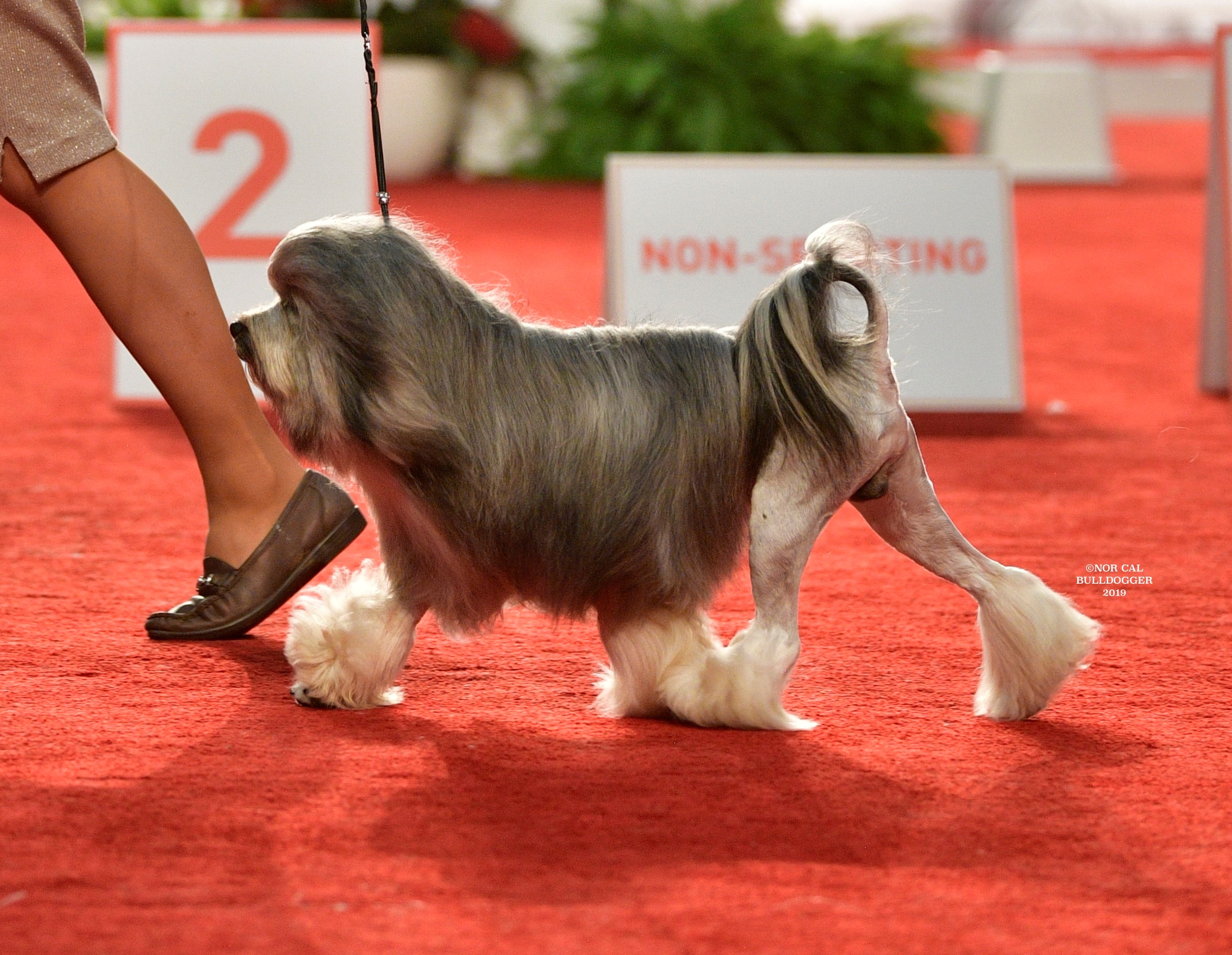
The Löwchen, whose name literally translates to 'Little Lion Dog' in German, is a vibrant and affectionate breed that has graced European households for centuries. Recognised by the Kennel Club within the Toy group, this breed is perhaps most famous for its traditional 'lion clip' - a grooming style where the hindquarters are shaved close, leaving a full mane and a plumed tail. While they may look like ornamental lapdogs, they possess a sturdy constitution and a surprisingly brave heart.
Historical records and artistic depictions suggest the breed has roots in France, Germany, and the Low Countries dating back to the 16th century. They were particularly favoured by the nobility, often appearing in Renaissance portraits alongside their royal owners. Despite their long history, the breed faced a significant crisis in the 20th century. By 1973, the Löwchen held the record for being the rarest dog in the world, with only 65 registered examples remaining. While dedicated breeders have since helped the population stabilise, they remain a relatively rare sight today, with only a few hundred new registrations worldwide each year.
In terms of temperament, the Löwchen is a delightful blend of intelligence and playfulness. They are known for being outgoing and friendly, often greeting strangers with curiosity rather than suspicion. Unlike some toy breeds that can be high-strung, the Löwchen tends to be adaptable and even-tempered, making them excellent companions for a variety of lifestyles, from active families to city-dwellers in smaller apartments.
Quick Facts
* Group: Toy (Kennel Club)
* Size: Small (typically 25-33cm at the shoulder)
* Weight: Approximately 4-8kg
* Lifespan: 12-15 years
* Coat: Long, wavy, and silky without an undercoat
* Rarity: Formerly the rarest breed in the world; still considered a vulnerable breed today
* Exercise needs: Moderate; they enjoy daily walks and plenty of play
* Shedding: Low shedding, making them a consideration for those with certain allergies
Training & Care Tips
Training a Löwchen is generally a rewarding experience because they are highly intelligent and eager to please. They respond best to positive reinforcement techniques such as praise, play, and treats. Because of their sensitive nature, harsh corrections should be avoided, as this can cause them to become timid. They excel in various canine disciplines, including agility and obedience trials, proving that they are far more than just pretty faces.
Socialisation is a vital part of their care. Though naturally friendly, exposing them to different environments, noises, and people during their first few months will ensure they grow into confident adults. They are social creatures who thrive on human companionship; consequently, they do not like being left alone for long periods. If you work away from home for several hours, you may need to arrange for a pet sitter or dog walker to prevent separation anxiety.
In terms of grooming, the Löwchen requires regular maintenance. If kept in the traditional lion clip, professional grooming every six to eight weeks is necessary. However, many owners who do not show their dogs opt for a 'puppy clip' which is easier to manage. Regardless of the style, their coat should be brushed several times a week to prevent tangles and mats. Because they have a single coat, they are relatively low-shedding but do require consistent hygiene, including regular tooth brushing and nail trimming.
Puppy Tips
When searching for a Löwchen puppy, it is essential to find a reputable breeder who prioritises health and temperament. Due to their rarity, you may need to join a waiting list. A good breeder will be happy to show you the mother and provide documentation of health screenings. Ensure the environment is clean and that the puppies have been well-handled and socialised from an early age.
Early house-training for a toy breed requires patience and consistency. Small dogs have small bladders, so frequent trips outside are a must, especially after meals and naps. Using a crate can help with the house-training process, provided it is used as a safe, positive space. Remember that puppies are naturally inquisitive; ensure your home is 'puppy-proofed' by removing reachable electrical cords or toxic houseplants.
Health
The Löwchen is generally a healthy and long-lived breed with few breed-specific genetic issues. However, like all breeds, they can be prone to certain conditions. Responsible breeders screen for Patellar Luxation (dislocation of the kneecap) and various eye conditions, such as Progressive Retinal Atrophy (PRA). Keeping your dog at a healthy weight is one of the best ways to protect their joints and overall longevity.
Regular veterinary check-ups are essential for preventative care, including vaccinations, flea, and worming treatments. Pay close attention to their dental health; small breeds are often more prone to periodontal disease, so daily brushing with dog-safe toothpaste is highly recommended to prevent costly dental work later in life.
Advice for Owners
Living with a Löwchen means having a constant, cheerful shadow. They are deeply loyal and will want to be involved in all aspects of your daily life. While they are small enough to travel easily, they have the energy to enjoy a good hike in the countryside. They are generally good with children, provided the children are taught how to handle a small dog gently.
Potential owners should consider the time commitment required for grooming and companionship. If you enjoy a dog that is part clown and part loyal guardian, the Löwchen is a fantastic choice. By choosing this breed, you are also helping to preserve a unique piece of canine history that was once nearly lost forever. Ensure they receive plenty of mental stimulation through interactive toys and varied walks to keep their sharp minds occupied and happy.
---
Disclaimer
The information in this breed guide is compiled from multiple professional sources, including The Kennel Club, veterinary references, and breed-specific organisations. It is intended for general educational purposes only and is not a substitute for advice from a qualified veterinarian or accredited breeder. Always consult a professional regarding your individual dog's health, training, and care needs.