Ibizan Hound Breed Guide: Facts, Tips & Health
Often called the Beezer, the Ibizan Hound is an elegant, agile sighthound with a high jumping ability. Learn about this athletic breed's history, care requirements, and unique personality.
By By PetNetUK ·
About the Ibizan Hound
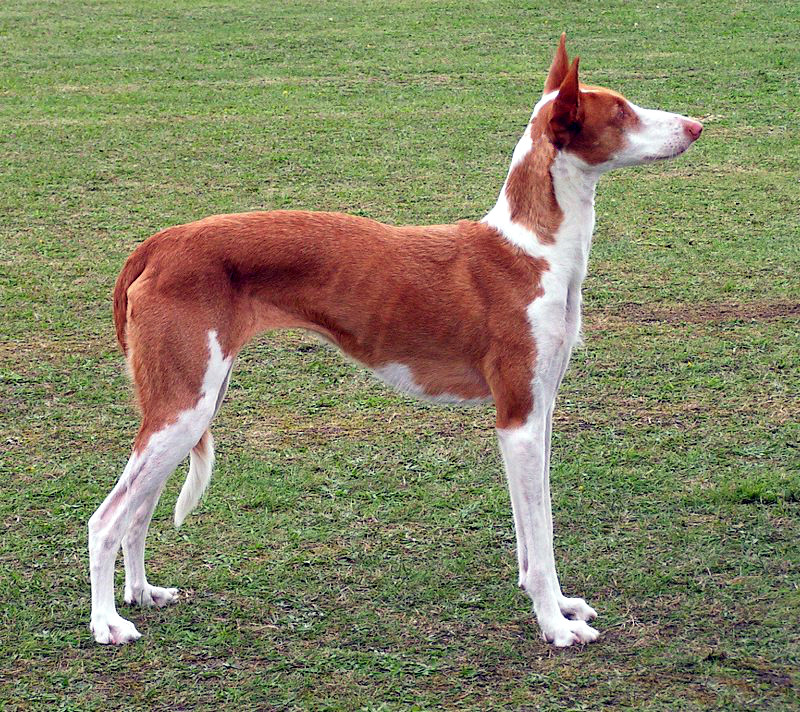
The Ibizan Hound, affectionately known by enthusiasts as the 'Beezer', is a striking and elegant member of the Kennel Club’s Hound group. Originating from the Balearic Islands, particularly Ibiza, these dogs were historically used to hunt rabbits across rugged terrain. Their physical appearance is defined by a lean, athletic build and large, upright ears that give them an alert and noble expression.
There are two distinct hair types within the breed: smooth and wire. The smooth-coated variety is the more commonly seen type, featuring a short, close-lying coat that reveals the dog’s lithe musculature. Wire-haired individuals have a somewhat longer, rougher texture, often with a charming beard. Regardless of coat type, the breed typically comes in shades of white and red, either solid or in combination.
Temperamentally, Ibizan Hounds are known for being somewhat aloof with strangers but deeply loyal and affectionate with their families. They possess an incredible vertical leap, often described as 'deer-like', which they used in their native lands to spot prey in high brush. This agility, combined with their keen sense of sight and scent, makes them one of the more versatile hunters in the hound family.
Quick Facts
* Kennel Club Group: Hound
* Height: Typically 56-74cm depending on sex
* Weight: Approximately 20-29kg
* Lifespan: 12-14 years
* Coat Types: Smooth or wire-haired
* Exercise Needs: High (at least 2 hours daily)
* Grooming: Low maintenance; weekly brushing is usually sufficient
* Temperament: Independent, athletic, and gentle indoors
Training & Care Tips
Training an Ibizan Hound requires patience and a gentle touch. Like many sighthounds, they possess an independent streak and can be easily distracted by movement. Positive reinforcement methods, such as treat-based rewards and play, work best. Harbouring a strong prey drive, the Ibizan Hound should only be let off-lead in securely fenced areas, as they are likely to chase small animals across great distances once their interest is piqued.
Daily exercise is non-negotiable for this active breed. While they are famously known as '45mph couch potatoes' who love to lounge at home, they require the opportunity to gallop and explore. A long daily walk supplemented with vigorous play or lure coursing is ideal. Due to their thin skin and low body fat, they can be sensitive to the cold; a warm dog coat is a sensible investment for winter walks in the UK.
Grooming is relatively straightforward. The smooth-coated variety requires a simple rub down with a rubber curry brush to remove dead hairs. The wire-haired type may need more frequent brushing to prevent tangles and occasional stripping of the coat. Regular ear checks are essential due to their large, open shape, and nails should be kept short to support their athletic foot structure.
Puppy Tips
When bringing an Ibizan Hound puppy home, early socialisation is the priority. Exposing your puppy to various people, sounds, and other dogs will help temper their natural reserve and ensure they grow into a confident adult. Because they are naturally clean dogs, house training often progresses quickly, provided a consistent routine is established from day one.
Be aware of their jumping ability from a young age. Ibizan Hound puppies are remarkably springy and can easily navigate baby gates or low fences. It is wise to puppy-proof your home thoroughly, keeping food and breakables well out of reach on high counters. Avoid over-exercising a growing puppy to protect their developing joints; follow the 'five minutes of exercise per month of age' rule until they are fully grown.
Health
The Ibizan Hound is generally a hardy and healthy breed with fewer hereditary issues than many other pedigree dogs. However, responsible breeders will screen for certain conditions. Hip dysplasia can occasionally occur, so ensuring the parents have good hip scores is advisable. Some lines may also be prone to congenital deafness or certain eye conditions, such as cataracts.
Like many sighthounds, they can be sensitive to certain types of anaesthesia. It is important to discuss this with your vet before any surgical procedures. Their deep-chested conformation means owners should be aware of the signs of gastric torsion (bloat), though it is less common in this breed than in larger hounds. Keeping their weight stable through a high-quality diet and regular exercise is the best way to support their long-term health.
Advice for Owners
Living with an Ibizan Hound is a rewarding experience, but they are best suited to owners who understand the sighthound personality. They are not 'servile' dogs and will often weigh up whether a command is worth following. A sense of humour and a calm demeaneour are essential traits for any prospective Beezer owner.
Your garden security must be a top priority. A six-foot fence is generally considered the minimum requirement, as this breed can clear standard heights with ease from a standing start. Indoors, they appreciate soft bedding and plenty of space to stretch out their long limbs.
If you are looking for a unique, athletic companion that is clean in the house and quiet indoors, the Ibizan Hound could be the perfect choice. They thrive in active households where they are treated as part of the family, and in return, they offer a quiet, dignified companionship that is truly second to none.
---
Disclaimer
The information in this breed guide is compiled from multiple professional sources, including The Kennel Club, veterinary references, and breed-specific organisations. It is intended for general educational purposes only and is not a substitute for advice from a qualified veterinarian or accredited breeder. Always consult a professional regarding your individual dog's health, training, and care needs.