Portuguese Water Dog Breed Guide: Facts, Tips & Health
Discover the athletic and intelligent Portuguese Water Dog. Originally used as maritime couriers and fishing assistants, this breed makes a spirited companion for active UK households.
By By PetNetUK ·
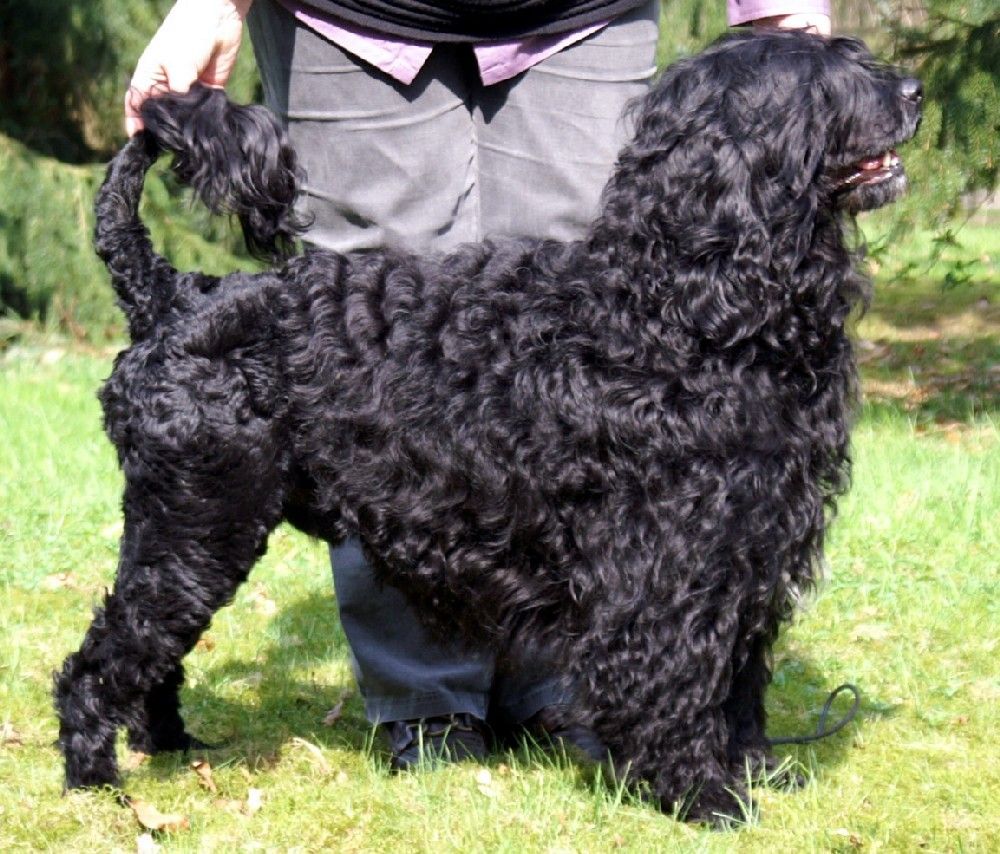
About the Portuguese Water Dog
The Portuguese Water Dog, often referred to as the Algarvian Water Dog or Portuguese Fishing Dog, is a hardy and athletic breed with a storied maritime history. Originating from the Algarve region of Portugal, these dogs were once indispensable partners to the local seafaring community. Rather than just being companions, they were working members of the crew, bred for their incredible stamina, swimming ability, and sharp intelligence.
Throughout history, these dogs expanded from the Algarve to cover the entirety of Portugal's coastline. Their roles were diverse and physically demanding; they were trained to herd fish into nets, retrieve lost tackle or broken nets from the water, and even act as couriers, carrying messages between ships or from ship to shore. Their resilience is best illustrated by their journeys on fishing trawlers from the Atlantic waters of Portugal all the way to the cold cod-fishing grounds off the coast of Iceland.
Today, the Portuguese Water Dog is recognised by the Kennel Club in the Working group. While they may no longer be required to dive into the Atlantic to assist fishermen, they retain an intense work ethic and a love for the water. They are known for being spirited, brave, and incredibly loyal, making them excellent companions for those who can provide the mental and physical stimulation they crave. Their non-shedding coat also makes them a popular choice for families concerned with allergies, though their grooming needs remain high.
Quick Facts
* Kennel Club Group: Working.
* Size: Medium (typically 16-25kg).
* Lifespan: 12-15 years.
* Coat Type: Single-layered, either curly or wavy; does not shed in the traditional sense.
* Colours: Common colours include black, white, and various shades of brown, often with white markings.
* Temperament: Highly intelligent, energetic, and affectionate.
* Activity Levels: Exceptional; they require significant daily exercise and mental stimulation.
Training & Care Tips
Training a Portuguese Water Dog requires a firm yet positive approach. Due to their high intelligence, they are quick learners but can become bored with repetitive tasks. They thrive on variety and challenge, so incorporating elements of agility, scent work, or obedience trials can keep them engaged. Because they were bred to work independently on boats, they can occasionally display a streak of stubbornness if they do not see the point of a command.
Socialisation is vital from an early age. Exposure to different people, dogs, and environments helps ensure they grow into well-adjusted adults. Without proper mental stimulation, they may develop unwanted behaviours such as excessive barking or destructive chewing. They are a 'mouthy' breed by nature, a trait left over from their days of retrieving tackle, so providing plenty of durable chew toys is essential for protecting your furniture.
Grooming is a significant commitment for this breed. Their hair grows continuously and does not fall out, meaning it can matt easily if not brushed several times a week. Most owners choose to have their dogs professionally groomed every six to eight weeks. Common styles include the 'Lion Clip', where the hindquarters and muzzle are shaved, or the 'Retriever Clip', where the coat is kept at a uniform length of about an inch.
Puppy Tips
When heritage and working instinct are combined, you get a puppy that is full of beans and very inquisitive. From the moment you bring your Portuguese Water Dog puppy home, it is important to establish a routine. They respond well to consistent boundaries and will quickly learn where they are expected to sleep and toilet. Early crate training can be particularly helpful for this breed, providing them with a safe space to settle down when they become overstimulated.
Puppy-proofing your home is essential, as their athletic nature means they will soon be able to reach kitchen counters or jump over low barriers. Because they are a large-jointed breed, it is important not to over-exercise them while they are still growing. Short, controlled walks and plenty of play on soft surfaces are preferable to long runs on pavement until their growth plates have fully fused, usually around 12 to 18 months of age.
Invest in high-quality puppy food specifically formulated for medium-to-large breeds to ensure they grow at a healthy rate. It is also wise to get them used to being handled from a young age; touching their paws, ears, and mouth regularly will make future grooming sessions and vet visits much less stressful for both dog and owner.
Health
The Portuguese Water Dog is generally a robust and healthy breed, but like all purebred dogs, they can be predisposed to certain hereditary conditions. Responsible breeders will screen their breeding stock for Progressive Retinal Atrophy (PRA), a condition that affects eyesight, and Hip Dysplasia, which affects the joints. It is important to ask for health clearance certificates when purchasing a puppy to ensure these risks have been minimised.
Another condition occasionally seen in the breed is Juvenile Dilated Cardiomyopathy (JDCM), a rare but serious heart condition. There is a DNA test available for this, and breeders should be able to provide the status of the parents. Storage diseases, such as GM1 Gangliosidosis, are also screened for using genetic testing. Regular health checks with your vet, alongside routine vaccinations and parasite control, remain the cornerstone of keeping your dog in peak condition.
Maintaining a healthy weight is crucial for this breed. Because they are active, they have a good appetite, but excess weight can put unnecessary strain on their joints. Monitoring their diet and ensuring they receive appropriate exercise will help them lead a long and active life. Regular ear cleaning is also recommended, especially if your dog enjoys swimming, as their floppy ears can trap moisture and lead to infections.
Advice for Owners
Owning a Portuguese Water Dog is a rewarding experience, but it is not a breed for the sedentary. They are best suited to active households where someone is home for most of the day. If you enjoy hiking, running, or spending time at the beach, this breed will be an enthusiastic partner. However, if you are looking for a dog that is happy with a quick stroll around the block, you may find their energy levels overwhelming.
Mental exercise is just as important as physical activity. Interactive puzzles, hide-and-seek games, and trick training are excellent ways to tire them out. They are very social animals and enjoy being part of family activities; they do not like being left alone for long periods and can suffer from separation anxiety if not gradually accustomed to short absences.
Finally, remember their history. These are water dogs through and through. If you live near a safe body of water, allowing them to swim is one of the best ways to provide exercise that also satisfies their natural instincts. Just be prepared for a wet dog and the necessary post-swim rinse and dry to keep their skin and coat healthy. For the right owner, the Portuguese Water Dog is a comical, hardworking, and deeply affectionate friend.
---
Disclaimer
The information in this breed guide is compiled from multiple professional sources, including The Kennel Club, veterinary references, and breed-specific organisations. It is intended for general educational purposes only and is not a substitute for advice from a qualified veterinarian or accredited breeder. Always consult a professional regarding your individual dog's health, training, and care needs.