Summer Heatstroke in Dogs: Warning Signs Every UK Owner Should Know
Hot weather is one of the most common causes of veterinary emergencies in UK dogs each summer. Here's how to recognise the early signs of heatstroke, what to do in the first few minutes, and when to head straight to an emergency vet.
By PetNetUK ·
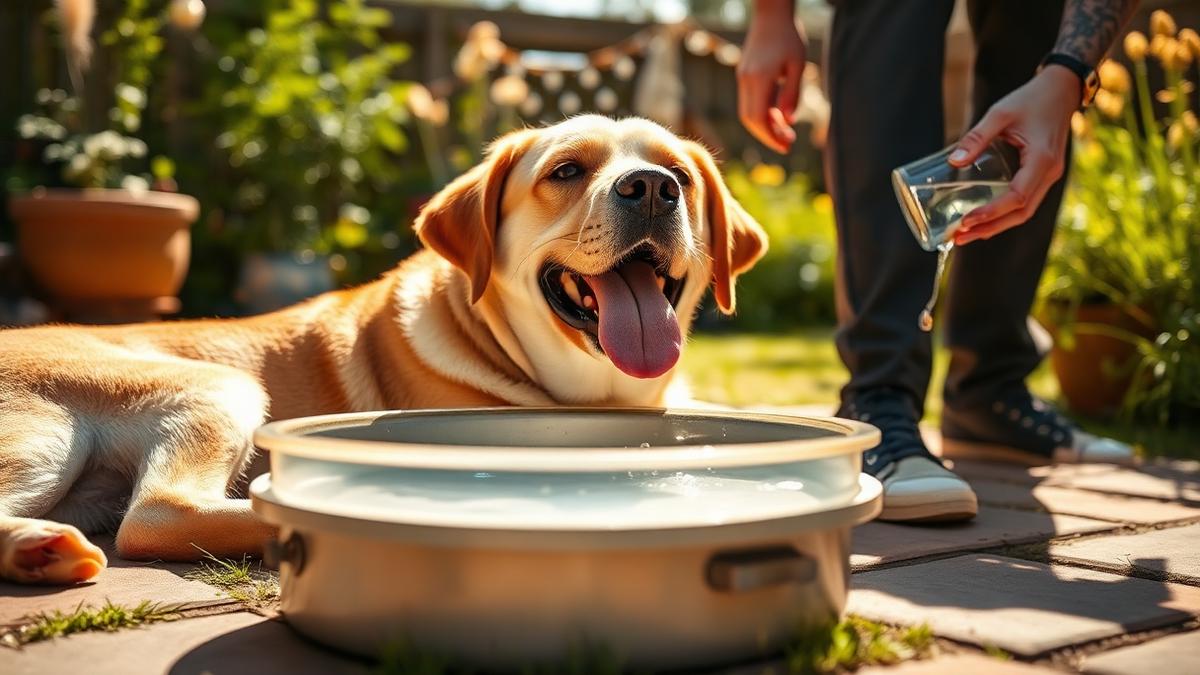
Every summer, UK vets see a sharp rise in dogs brought in with heat-related illness, and the causes are rarely dramatic. It is usually a walk that went on a little too long, a car left "just for five minutes," or a flat-faced breed struggling in warm, humid weather. Heatstroke can develop quickly, and knowing the early signs can make the difference between a scare and a genuine emergency.
What Puts a Dog at Risk
Some dogs are far more vulnerable to overheating than others.
- Flat-faced (brachycephalic) breeds such as Bulldogs, Pugs and French Bulldogs, who cannot pant as efficiently
- Older dogs, puppies and overweight dogs
- Thick-coated breeds like Huskies and Chow Chows
- Dogs with heart or respiratory conditions
- Any dog exercised during the hottest part of the day, typically 11am to 3pm
Early Warning Signs to Watch For
Heatstroke rarely appears out of nowhere. Catching these early signs gives you time to act before it becomes critical.
- Heavy, rapid panting that doesn't settle
- Bright red or very pale gums
- Excessive drooling
- Lethargy or reluctance to keep walking
- Disorientation or an unsteady gait
- Vomiting or diarrhoea
If your dog shows several of these signs after time in the heat, treat it as an emergency rather than waiting to see if it passes.
First Aid: What to Do in the First Few Minutes
Move your dog out of the heat immediately.
Get them into shade or an air-conditioned space straight away. Every extra minute in direct heat makes recovery harder.
- Offer small amounts of cool (not ice-cold) water — never force your dog to drink
- Wet their coat with cool water, focusing on the belly, paws and neck, and use a fan if you have one
- Avoid ice or freezing water, which can cause blood vessels to constrict and actually slow cooling
- Do not cover your dog with wet towels left in place — this can trap heat rather than release it
When to Call an Emergency Vet
Heatstroke is a genuine veterinary emergency, even if your dog seems to be improving. Internal damage can continue after outward symptoms ease. Call an emergency vet immediately if your dog has collapsed, is vomiting repeatedly, seems confused or unresponsive, or simply hasn't fully recovered within 10-15 minutes of moving them somewhere cool.
Keep the details of your nearest emergency vet somewhere you can find quickly rather than searching under pressure. PetNetUK's Emergency Vets directory lists out-of-hours and 24-hour practices across the UK by location, so you can find help fast if the worst happens.
Prevention Is Simpler Than Treatment
Walk during cooler parts of the day, carry water on every outing, never leave a dog in a parked car (even briefly, even with windows cracked), and watch flat-faced and senior dogs especially closely on warm days. A few minutes of planning avoids the vast majority of heat-related emergencies.