Lakeland Terrier Breed Guide: Facts, Tips & Health
Hailing from the rugged English Lake District, the Lakeland Terrier is a spirited, loyal companion that combines independence with a deep devotion to its family owners.
By By PetNetUK ·
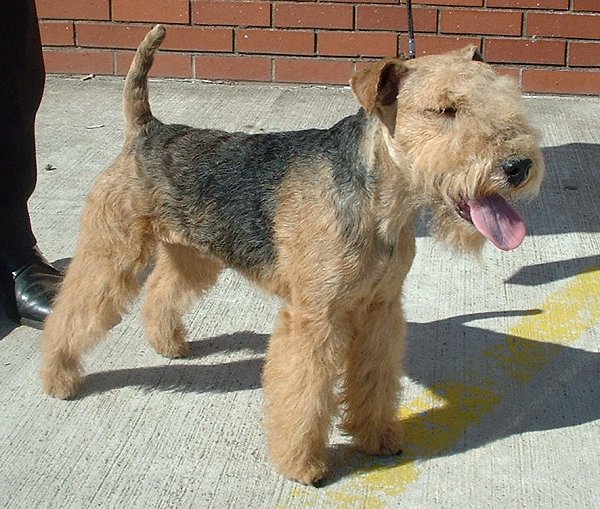
About the Lakeland Terrier
The Lakeland Terrier is a quintessentially British breed, originating from the rugged and picturesque landscapes of the Lake District in Northern England. Historically, these dogs were bred for working alongside farmers, tasked with protecting livestock from foxes in mountainous terrain. Unlike many other terriers that were bred to go to ground, the Lakeland was expected to navigate rocky crevices and endure the harsh weather conditions of the fells. This heritage has resulted in a hardy, agile, and remarkably brave canine.
Physically, the Lakeland Terrier is a small to mid-size dog with a sturdy, square build. They are often recognised by their thick, wire-haired coats and distinctive rectangular heads, often finished with a charming beard. While they bear a resemblance to the Welsh Terrier or the Airedale, the Lakeland is a distinct breed with its own unique silhouette and narrow frame, designed specifically to squeeze through tight gaps in the slate and stone of their homeland.
Despite their working roots, these dogs are famously affectionate with their family members. They possess a big personality in a small package, often displaying a playful and mischievous streak. However, prospective owners should be aware that the Kennel Club currently classifies the Lakeland Terrier as a vulnerable native breed. With low levels of annual puppy registrations, choosing this breed often means participating in the preservation of a significant piece of British canine history.
Quick Facts
* Kennel Club Group: Terrier
* Size: Small to medium, typically weighing between 7-8kg.
* Lifespan: 12 to 15 years on average.
* Coat Type: Double-coated with a harsh, wiry topcoat and a soft undercoat.
* Colours: Common colours include black and tan, blue and tan, red, wheaten, or grizzle.
* Exercise Needs: High; they require significant mental and physical stimulation.
* State: Listed as a vulnerable dog breed by the UK Kennel Club due to low breeding numbers.
Training & Care Tips
Training a Lakeland Terrier requires patience and a good sense of humour. As independent thinkers, they are known to be slightly stubborn if they do not see the point in a command. Positive reinforcement is the most effective method; use high-value treats and praise to keep them engaged. Because of their heritage, they have a high prey drive, meaning recall training is essential but should not be fully trusted in unsecured open spaces where a squirrel or rabbit might distract them.
Socialization is equally important. While they are deeply loyal to their inner circle, they can be reserved or protective around strangers. Exposing a Lakeland to various environments, people, and other dogs early in life helps to develop a well-rounded and confident adult dog. They are intelligent and thrive on variety, so keep training sessions short and interesting to prevent them from becoming bored and seeking out their own entertainment—usually in the form of digging or chewing.
Grooming is a significant part of Lakeland ownership. Their double coat does not shed heavily, making them a popular choice for those who prefer a cleaner home. However, to keep the coat in good condition and maintain its weatherproof qualities, they should be hand-stripped two or three times a year. Regular brushing at home will prevent matting, particularly around their leg furnishings and beard. They should also have their nails trimmed regularly and ears checked for cleanliness.
Puppy Tips
When looking for a Lakeland Terrier puppy, it is vital to contact reputable breeders who are dedicated to the survival of the breed. Given their status as a vulnerable breed, you may need to join a waiting list. Ensure that any breeder you visit is focused on temperament and health, and ask to see the mother with the litter. A healthy Lakeland puppy should be bold, curious, and energetic.
In the first few months, focus on habituation. Introduce your puppy to the sounds of a modern household, from vacuum cleaners to doorbells. Because Lakelands are naturally inquisitive, "puppy-proofing" your garden is essential. These dogs are notorious for finding small gaps in fences or digging underneath obstacles if they spot something interesting on the other side. Ensure your perimeter is secure and at least five feet high to discourage jumping.
Health
Generally, the Lakeland Terrier is a robust and healthy breed with few genetic predispositions to illness. This hardiness is a byproduct of their history as a working fell dog. However, like all breeds, there are certain conditions that owners should remain aware of. Some individuals may be prone to Legg-Perthes disease, a hip joint condition, or certain eye issues such as cataracts or distichiasis (extra eyelashes).
Maintaining a healthy weight is crucial for this breed. Because they are small, carrying extra pounds can put unnecessary strain on their joints. Ensure they receive a high-quality diet tailored to their age and activity level, and keep treats within a sensible daily allowance. Regular dental check-ups and home tooth brushing are also recommended to prevent periodontal disease, which can be common in smaller terrier breeds.
Advice for Owners
Owning a Lakeland Terrier is a rewarding experience, but it requires commitment. They are best suited to active households where they can participate in daily adventures. Whether it is a long hike in the countryside or a spirited game of fetch in a local park, the Lakeland needs to burn off energy to remain calm indoors. They are excellent companions for families with older children, though their boisterous nature means they should always be supervised around toddlers.
One of the most important pieces of advice for new owners is to embrace the "terrier spirit." This breed will test boundaries and may occasionally ignore you in favour of a scent. However, their charm and devotion are unparalleled. They are truly “big dogs in small bodies,” and if you can provide the structure and activity they crave, you will have a loyal friend for many years. By choosing this breed, you are not just getting a pet; you are helping to ensure that one of Britain's most historic terriers continues to thrive for generations to come.
---
Disclaimer
The information in this breed guide is compiled from multiple professional sources, including The Kennel Club, veterinary references, and breed-specific organisations. It is intended for general educational purposes only and is not a substitute for advice from a qualified veterinarian or accredited breeder. Always consult a professional regarding your individual dog's health, training, and care needs.