German Longhaired Pointer Breed Guide: Facts, Tips & Health
Discover the German Longhaired Pointer, a versatile and affectionate gundog. Learn about their unique history, exercise needs, and why they make exceptional companions for active households.
By By PetNetUK ·
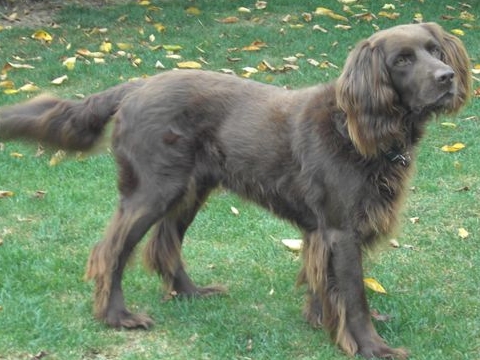
About the German Longhaired Pointer
The German Longhaired Pointer, or Deutsch Langhaar, is a distinguished member of the HPR (Hunt, Point, Retrieve) family. While perhaps less internationally famous than its shorthaired cousin, this breed is a cornerstone of European sporting history. Closely related to the German Shorthaired Pointer, the German Wirehaired Pointer, and the Large Münsterländer, the breed was formalised in the late 19th century and eventually accepted by the Fédération Cynologique Internationale in 1954.
In the field, the German Longhaired Pointer is renowned for being a steady, methodical worker. Unlike some of the more high-octane pointers, the Longhair is praised for its calm temperament and versatile ability to work across various terrains, including water. This adaptability makes them a favourite for traditional rough shooting, where a dog must be as capable of retrieving a pheasant from a thicket as they are of tracking game through marshland.
Physically, they are elegant yet robust dogs. Their defining feature is, of course, their coat—a dense, slightly wavy layer that provides excellent protection against the elements. Typically found in shades of solid brown or brown-and-white (roan), they possess an aristocratic appearance that belies their rugged capability. Despite their working prowess, they are known for being exceptionally soft-natured at home, often forming deep bonds with their human families.
Quick Facts
* Kennel Club Group: Gundog
* Origin: Germany
* Size: Large (typically 60–70cm at the shoulder)
* Coat Type: Medium length, dense, and weather-resistant
* Lifespan: 12–14 years
* Temperament: Affectionate, steady, and intelligent
* Exercise Needs: Very High (over 2 hours daily)
* Grooming: Moderate (requires regular brushing to prevent matting)
Training & Care Tips
Training a German Longhaired Pointer requires a balanced approach. These dogs are highly intelligent and eager to please, but they also possess a sensitive nature. Harsh corrections are often counterproductive; instead, positive reinforcement and consistency yield the best results. Because they are bred to work closely with their handlers, they thrive on interaction and can become bored or destructive if left alone for long periods without a task.
General care centres on their high energy levels and intellectual curiosity. They are not suited to sedentary lifestyles or small urban flats. They require a minimum of two hours of vigorous exercise daily, which should ideally include off-lead running in a safe environment. Incorporating mental stimulation, such as scent work or retrieval games, is essential to keep their sharp minds occupied.
Dietary needs should be met with high-quality dog food appropriate for their life stage and activity level. Since they are an active breed, ensure they have access to plenty of fresh water and monitor their weight closely, especially if they are transitioning from a working season to a quieter period. Regular veterinary check-ups are vital to ensure they remain in peak condition throughout their lives.
Puppy Tips
When bringing a German Longhaired Pointer puppy home, the first priority is socialisation. Introduce your puppy to a wide variety of people, environments, and other animals during their formative first few months. This helps to cultivate the steady, confident temperament the breed is known for. Because they have a natural hunting instinct, early exposure to different sights and sounds will help manage their prey drive as they mature.
Crate training can be a useful tool for both house-training and ensuring your puppy has a safe space to rest. Puppies of this breed can be quite boisterous, so teaching a reliable 'settle' command early on will be beneficial for your household. Focus on basic obedience from the start, particularly recall, as their instinct to follow a scent is exceptionally strong.
Be mindful of their growing joints. While it is tempting to take a high-energy puppy on long hikes, over-exercising a large-breed dog before their growth plates have fused can lead to long-term skeletal issues. Follow the general rule of five minutes of formal exercise per month of age, twice a day, until they are fully grown. Encouraging garden play and short training sessions is a safer way to burn off energy during their first year.
Health
Generally, the German Longhaired Pointer is a healthy and hardy breed with a generous lifespan for its size. However, like all pedigree dogs, they can be predisposed to certain hereditary conditions. Responsible breeders will perform health screenings on their breeding stock, including hip scoring and eye tests. Prospective owners should always ask to see the relevant certificates before committing to a puppy.
Due to their deep chests, the breed can occasionally be at risk of gastric torsion, commonly known as bloat. This is a serious condition where the stomach twists. To mitigate this risk, it is advisable to feed smaller, frequent meals rather than one large portion and to avoid vigorous exercise immediately before or after feeding.
Their long, feathered ears are another area that requires attention. Because the ear canal is covered, moisture can become trapped, leading to ear infections. Checking and cleaning their ears weekly, particularly after they have been swimming or out in wet grass, is an essential part of their healthcare routine. Keep an eye out for redness or any unusual odours.
Advice for Owners
Owning a German Longhaired Pointer is a significant commitment that offers immense rewards for the right person. If you are an active individual who enjoys spending hours outdoors regardless of the British weather, you will find a loyal and capable companion in this breed. They are at their happiest when they have a job to do and plenty of space to roam.
Potential owners should consider the grooming requirements of that beautiful coat. While not as high-maintenance as some breeds, the long hair can easily pick up burrs, twigs, and mud during walks. A thorough brush-through at least two or three times a week is necessary to keep the coat healthy and to manage shedding within the home. Pay particular attention to the 'feathers' on the legs and the hair under the ears where mats most frequently form.
Lastly, remember that these are social animals. The German Longhaired Pointer thrives on being part of the family circle and does not do well if kept isolated in a kennel or left alone for most of the day. If you can provide them with the time, training, and exercise they crave, they will repay you with unwavering devotion and an exceptionally calm, loving presence in the home.
---
Disclaimer
The information in this breed guide is compiled from multiple professional sources, including The Kennel Club, veterinary references, and breed-specific organisations. It is intended for general educational purposes only and is not a substitute for advice from a qualified veterinarian or accredited breeder. Always consult a professional regarding your individual dog's health, training, and care needs.