Borzoi Breed Guide: Facts, Tips & Health
Discover the Borzoi, the elegant 'Russian Wolfhound' known for its incredible speed, gentle temperament, and distinctive silky coat in our comprehensive UK breed guide.
By By PetNetUK ·
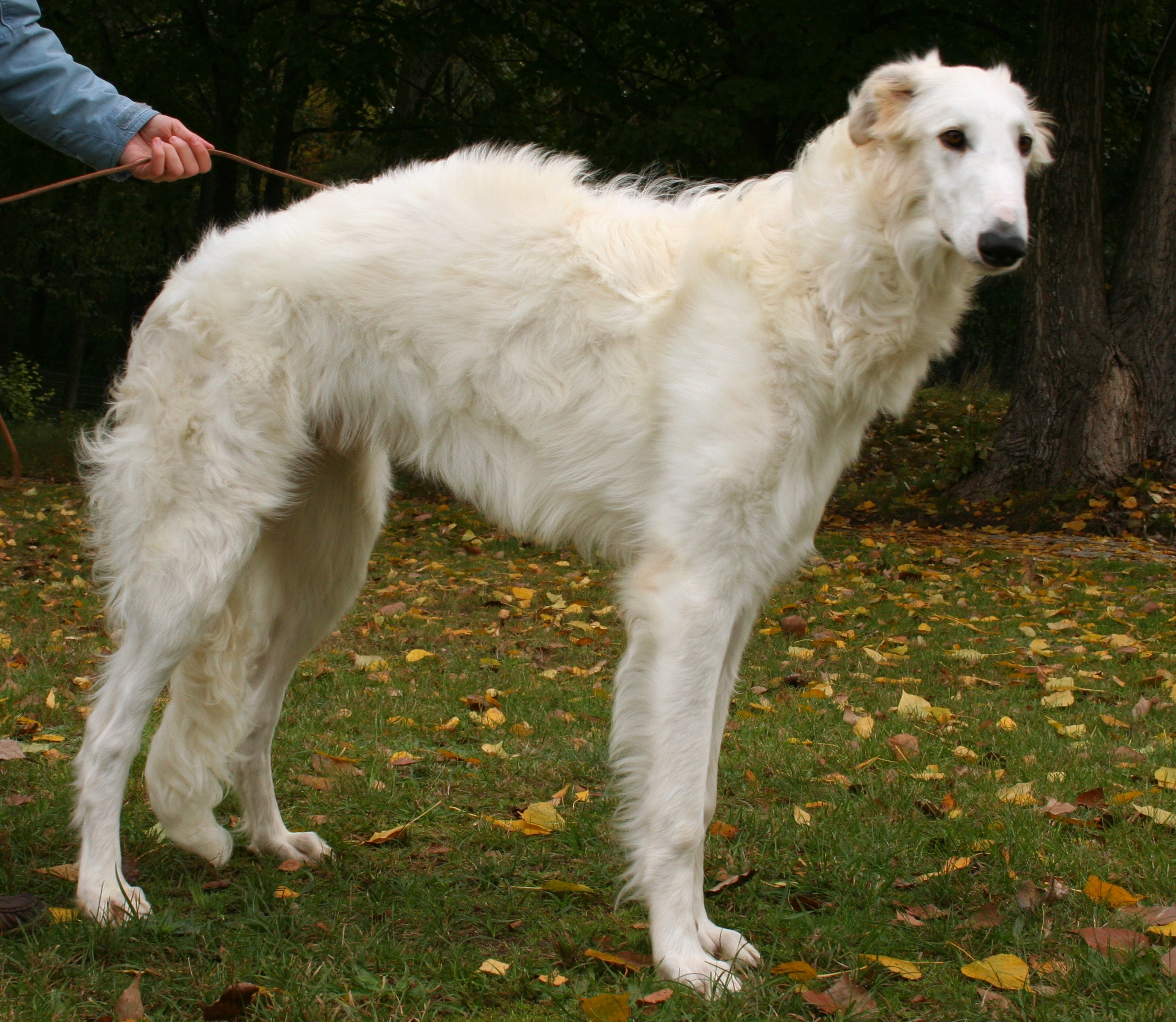
About the Borzoi
The Borzoi, formerly known as the Russian Wolfhound until 1936, is a member of the Hound group and represents the epitome of sighthound elegance. Originating from Russia, these dogs were specifically bred by the aristocracy for wolf hunting. Their physical form is a masterpiece of aerodynamic engineering, featuring a deep chest, tucked-up abdomen, and a long, narrow head that allows for a wide field of vision.
In the home, the Borzoi is often described as 'cat-like'. They are exceptionally quiet, calm, and dignified companions who enjoy lounging on the softest furniture available. While they possess an inner strength and independence, they are deeply affectionate with their families. They are not typically barkers, but they do possess a keen awareness of their surroundings.
Despite their aristocratic bearing, they are athletes at heart. The Borzoi is a coursing dog capable of reaching immense speeds in a matter of seconds. This combination of indoor serenity and outdoor intensity makes them a unique addition to the right household. They are large dogs, however, and their size must be considered alongside their gentle nature.
Quick Facts
* Kennel Club Group: Hound
* Size: Large to Giant
* Height: Typically 68–85 cm at the shoulder
* Weight: 27–48 kg, depending on gender and build
* Lifespan: 10–12 years
* Coat Type: Long, silky, and wavy or curly; comes in various colours
* Exercise Needs: High (in short bursts)
* Temperament: Reserved, intelligent, and peaceful
Training & Care Tips
Training a Borzoi requires a gentle touch and plenty of patience. Like most sighthounds, they are independent thinkers and may not see the immediate value in repetitive obedience drills. Standard harsh methods will cause them to shut down; instead, use positive reinforcement and keep sessions short and engaging. Recall is the biggest challenge, as their instinct to chase moving objects is hardwired.
Regarding exercise, the Borzoi needs a secure, fenced area where they can sprint. They are not endurance runners like Huskies, but rather sprinters. A long daily walk on a lead, combined with an opportunity to gallop in a safely enclosed field, is ideal. Always be cautious in open spaces, as their speed means they can be out of sight in moments if they spot a squirrel or hare.
Grooming is a significant commitment. Their long, silky coat requires brushing at least two to three times a week to prevent mats and tangles, particularly behind the ears and around the hindquarters. They are seasonal shedders, and during these periods, daily brushing will be necessary to manage the amount of hair in the home. Monthly nail trimming and regular dental care are also essential.
Puppy Tips
When bringing a Borzoi puppy home, the most important factor is providing a safe environment for their rapidly growing bones. They grow very quickly, and excessive jumping or running on slippery floors should be discouraged during their first year to prevent joint issues. Quality nutrition formulated for large-breed puppies is vital to ensure a slow and steady growth rate.
Early socialisation is key to preventing the Borzoi's natural reserve from turning into shyness or anxiety. Introduce your puppy to a wide variety of people, well-behaved dogs, and different environments while they are still young. Because they have a high prey drive, early and careful introduction to other household pets like cats is necessary, though they should always be supervised around smaller animals.
Health
As a deep-chested breed, the Borzoi is particularly susceptible to Gastric Torsion, commonly known as Bloat. This is a life-threatening condition where the stomach twists. Owners should feed smaller, frequent meals and avoid vigorous exercise for at least an hour after eating. Using raised bowls is a topic of debate, so consult your vet for the latest advice.
Other health considerations for the breed include Heart issues and certain eye conditions such as Progressive Retinal Atrophy (PRA). Like many sighthounds, Borzoi are also hypersensitive to certain types of anaesthetics. It is crucial to work with a vet who is familiar with sighthound physiology, as their body fat percentage and metabolic rates differ significantly from other breeds.
Advice for Owners
Owning a Borzoi is a rewarding experience, but it requires a home that can accommodate their size and specific needs. They are not well-suited to flat living unless the owner is exceptionally dedicated to outdoor exercise. They thrive in a calm environment and are generally better suited to families with older children who understand how to respect a dog's space.
Prospective owners must ensure they have high, secure garden fencing. A Borzoi can easily clear a standard garden fence if they are motivated by a passing cat. On a practical note, ensure your car is large enough to transport a dog of this height comfortably. Finally, be prepared for many conversations during walks; the striking beauty of the Borzoi often attracts much attention from passers-by.
---
Disclaimer
The information in this breed guide is compiled from multiple professional sources, including The Kennel Club, veterinary references, and breed-specific organisations. It is intended for general educational purposes only and is not a substitute for advice from a qualified veterinarian or accredited breeder. Always consult a professional regarding your individual dog's health, training, and care needs.