Boston Terrier Breed Guide: Facts, Tips & Health
Often called the American Gentleman, the Boston Terrier is a compact, affectionate companion perfectly suited to modern life in the United Kingdom.
By By PetNetUK ·
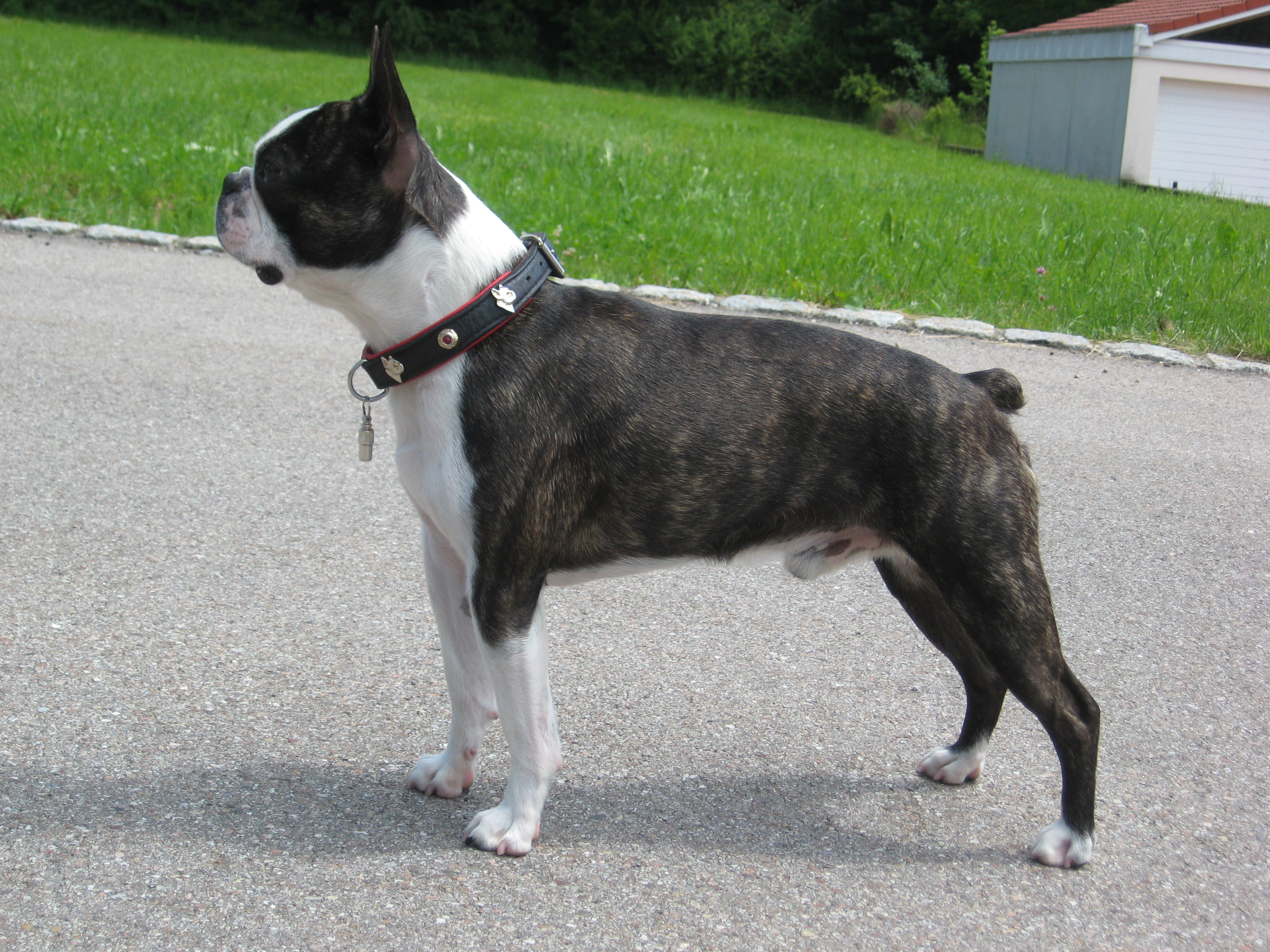
About the Boston Terrier
The Boston Terrier is a refined and charismatic breed that has earned the nickname 'the American Gentleman' due to its tuxedo-like coat and impeccable manners. Originating in the United States in the late 19th century, the breed was famously accepted by the American Kennel Club in 1893. Despite their early history involving crosses between English Bulldogs and the now-extinct White English Terrier, the Boston Terrier has evolved into a quintessential companion dog, belonging to the Utility group here in the UK.
These dogs are easily recognisable by their compact, sturdy frame, short square muzzles, and large, expressive eyes. They possess a short tail—never docked, but naturally occurring—and distinctive erect ears. Their sleek coat comes in various colours, most commonly seal, black, or brindle, always punctuated by the characteristic white markings on the chest and face. In the UK, they have grown significantly in popularity among city dwellers due to their adaptable nature and manageable size.
Beyond their physical appearance, the Boston Terrier is renowned for its intelligence and sensitivity. They are exceptionally social animals that thrive on human interaction, making them poor candidates for households where they would be left alone for long periods. Their temperament is generally stable and friendly, though they can be quite spritely and playful when the situation calls for it.
Quick Facts
* Kennel Club Group: Utility
* Size: Small (typically 7kg to 11kg)
* Height: 38cm to 43cm at the shoulder
* Life Expectancy: 11 to 15 years
* Coat Type: Short, smooth, and easy to maintain
* Exercise Requirements: Moderate (around 1 hour daily)
* Temperament: Affectionate, intelligent, and lively
* Suitability: Excellent for apartments and families with children
Training & Care Tips
Training a Boston Terrier is generally a rewarding experience because they are eager to please. However, they can be sensitive to the tone of your voice. Using harsh corrections is counter-productive; instead, focus on positive reinforcement techniques such as praise, play, and healthy treats. They excel in obedience and agility trials, which offer excellent mental stimulation for this bright breed.
Socialisation should begin as early as possible. Introduce your Boston Terrier to various environments, people, and other dogs to ensure they grow into a well-adjusted adult. Because they are a brachycephalic (flat-faced) breed, they can sometimes be prone to overexcitement, so teaching a reliable 'settle' command is highly beneficial for maintaining a calm household.
In terms of grooming, the Boston Terrier is low-maintenance. Their short coat requires only a weekly brush with a rubber mitt or soft-bristle brush to remove loose hair. They are relatively clean dogs with little 'doggy' odour. Pay close attention to their facial wrinkles, which should be kept clean and dry to prevent irritation. Their large eyes also need regular checking to ensure no dust or debris has caused redness.
Exercise should be consistent but not excessive. Two brisk 30-minute walks per day are usually sufficient. Owners must be cautious in extreme weather; because of their short muzzles, Boston Terriers can struggle to regulate their body temperature in the heat and are equally susceptible to the cold during British winters. Always use a harness rather than a collar to protect their delicate windpipe.
Puppy Tips
When looking for a Boston Terrier puppy, it is vital to find a reputable breeder who prioritises health and temperament. Look for breeders registered with the Kennel Club's Assured Breeders scheme. Ensure that the parents have undergone relevant health screenings, particularly for eye issues and patellar luxation. A good breeder will be happy to let you see the mother and will ask you plenty of questions to ensure you can provide a suitable home.
Puppy-proofing your home is essential before your new arrival. Boston Terriers are notoriously curious and may try to chew on cables or small objects. During the first few months, focus on toilet training, which can sometimes take a little longer with smaller breeds. Consistency and frequent garden breaks are the keys to success.
Early exposure to different sounds, such as the hoover or passing traffic, will help prevent anxiety later in life. Keep initial training sessions short—five to ten minutes is plenty for a young puppy’s attention span. Ensure they have a quiet, draught-free space to sleep, as puppies require significant amounts of rest to support their rapid growth.
Health
As a brachycephalic breed, the Boston Terrier has specific health considerations that owners must be aware of. Their flat faces mean they can have narrowed nostrils or elongated soft palates, which may lead to snoring or, in more severe cases, breathing difficulties. It is important to monitor their breathing during exercise and avoid heavy activity during the hottest parts of the day.
Eye health is another priority for this breed. Their prominent eyes are more susceptible to scratches, ulcers, and conditions like cataracts or Cherry Eye. Regular veterinary check-ups are essential to catch any issues early. Additionally, like many small breeds, they can suffer from patellar luxation (where the kneecap slips out of place).
Maintaining a healthy weight is crucial for a Boston Terrier. Because they are compact, even a small amount of weight gain can put significant pressure on their joints and respiratory system. Stick to high-quality dog food and keep treats to a minimum to ensure they stay lean and active throughout their senior years.
Advice for Owners
Living with a Boston Terrier means having a constant companion. If you are looking for an independent dog that prefers its own company, this may not be the breed for you. They are often described as 'velcro dogs' who will follow you from room to room. They are particularly well-suited to individuals who work from home or can take their pet into the office.
Be prepared for a dog that snores and sometimes snorts. While endearing to many, it is part and parcel of the breed's anatomy. They are also known for being somewhat gassy, so finding a high-quality diet that agrees with their digestion is a worthwhile investment. Providing a variety of puzzle toys will help keep their active minds occupied when you are busy.
Ultimately, the Boston Terrier is a joyful addition to any household. They balance a spirit of fun with a gentle nature that makes them excellent companions for children and seniors alike. By focusing on their health, socialisation, and need for companionship, you will find that the 'American Gentleman' is a loyal and loving partner for many years to come.
---
Disclaimer
The information in this breed guide is compiled from multiple professional sources, including The Kennel Club, veterinary references, and breed-specific organisations. It is intended for general educational purposes only and is not a substitute for advice from a qualified veterinarian or accredited breeder. Always consult a professional regarding your individual dog's health, training, and care needs.