Swedish Lapphund Breed Guide: Facts, Tips & Health
Discover the Swedish Lapphund, the 'black beauty of Norrland'. This ancient pastoral breed is a versatile, loyal companion with deep roots in Sami culture and reindeer herding.
By By PetNetUK ·
About the Swedish Lapphund
Often referred to as the 'black beauty of Norrland', the Swedish Lapphund is an ancient and distinguished breed belonging to the Kennel Club’s Pastoral group. Originating from the northern reaches of Sweden, it is one of three Lapphund breeds developed by the Sami people. Historically, these dogs were essential partners in the harsh Arctic landscape, used extensively for guarding and herding reindeer. Their heritage as working dogs has instilled a high level of intelligence, stamina, and a deep-seated desire to be part of the family unit.
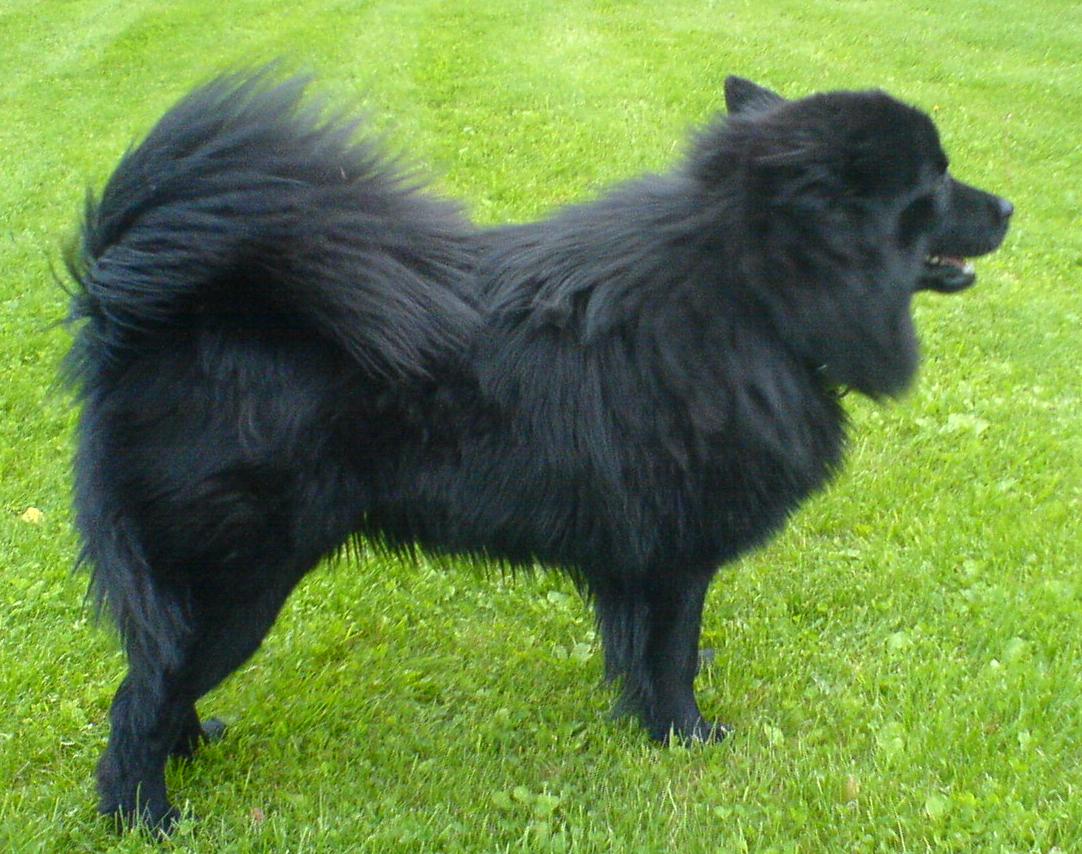
The Swedish Lapphund is a classic Spitz-type dog, characterised by its alert expression, pointed ears, and a tail that curls over the back. What sets them apart is their striking, dense, and weather-resistant black coat, which was essential for survival in the freezing climates of Scandinavia. Despite their rugged history, they are remarkably versatile. Today, they are as likely to be found competing in agility trials or acting as therapy dogs as they are lounging in a suburban garden.
In terms of temperament, they are known for being lively, playful, and incredibly affectionate. They are generally good-natured with children and other pets, provided they have been socialised correctly. Because they were bred to work closely with their human handlers, they form exceptionally strong bonds. This makes them wonderful companions, though it does mean they prefer not to be left alone for long periods, as they thrive on human interaction and purposeful activity.
Quick Facts
* Kennel Club Group: Pastoral
* Lifespan: 12 to 14 years
* Coat Type: Thick, double coat (usually black, though 'liver' or bronze tints can occur)
* Height: 43cm to 48cm at the withers
* Weight: Approximately 17kg to 20kg
* Energy Level: Moderate to High
* Grooming Needs: High
* Intelligence: Very high; eager to learn but independent
Training & Care Tips
Training a Swedish Lapphund requires a balanced approach. They are highly intelligent and quick to pick up new commands, but they also possess the independent streak common to many Spitz breeds. Positive reinforcement techniques work best. Using treats, praise, and play will keep them engaged, whereas harsh methods will likely cause them to switch off. Because they were bred as herding dogs, they may have a tendency to bark to alert their owners of movement; teaching a 'quiet' command early on is highly recommended.
Daily physical exercise is a must for this breed. They enjoy long walks, hiking, and the opportunity to run off-lead in secure areas. Beyond physical exertion, mental stimulation is equally important. Puzzle toys, scent work, and trick training are excellent ways to keep their sharp minds occupied. If a Swedish Lapphund becomes bored, they may resort to destructive behaviours or excessive barking to entertain themselves.
When it comes to grooming, their thick double coat requires dedicated attention. They are moderate shedders throughout the year but will 'blow' their undercoat twice a year, usually in spring and autumn. During these periods, daily brushing is essential to manage the volume of loose hair. Regularly checking their ears, trimming nails, and maintaining dental hygiene are also standard parts of their care routine to ensure they remain in top condition.
Puppy Tips
Early socialisation is the cornerstone of raising a well-adjusted Swedish Lapphund puppy. Between the ages of 8 and 16 weeks, expose your puppy to as many new sights, sounds, and people as possible. Because of their pastoral instincts, they can sometimes be wary of strangers or chase moving objects. Introducing them to busy environments, different animals, and car travel during this critical window will help them become confident adults.
Potty training should begin the moment you bring your puppy home. Establish a consistent routine and be patient; like many intelligent breeds, they may try to test boundaries. It is also wise to get them accustomed to being handled for grooming early on. Gently touching their paws, ears, and teeth while they are young will make future veterinary visits and grooming sessions much less stressful for both of you.
Health
The Swedish Lapphund is generally a very robust and healthy breed with few genetic predispositions to illness. This is largely due to their history as a functional working dog where only the fittest survived. However, like all pedigree dogs, there are certain conditions that responsible breeders will screen for. These include Hip Dysplasia and hereditary eye conditions, such as Progressive Retinal Atrophy (PRA).
Potential owners should always ask breeders for the relevant health test certificates for the puppy’s parents. Maintaining a healthy weight is also vital; because of their thick fur, it can sometimes be difficult to see if a Swedish Lapphund is putting on excess kilograms. Regularly feeling for their ribs and ensuring they aren't overfed—especially with treats during training—will help prevent joint issues later in life.
Advice for Owners
Owning a Swedish Lapphund is a rewarding experience, but it is not a commitment to be taken lightly. They are best suited to active households where someone is home for most of the day. If you enjoy outdoor activities like hill walking or jogging, this breed will be an enthusiastic partner. However, if you live in a very warm climate, you must take extra precautions to keep them cool, as their dense coat is designed for Arctic winters, not heatwaves.
Prospective owners should also be prepared for a dog that 'talks'. The Swedish Lapphund uses its voice to communicate, and while they are not typically nuisance barkers if exercised properly, they are certainly a vocal breed. If you live in a flat with thin walls or very close neighbours, this is a trait you will need to manage through training and environmental enrichment. For those who can provide the time, space, and mental engagement they require, the 'black beauty of Norrland' will prove to be a loyal, charming, and endlessly fascinating member of the family.
---
Disclaimer
The information in this breed guide is compiled from multiple professional sources, including The Kennel Club, veterinary references, and breed-specific organisations. It is intended for general educational purposes only and is not a substitute for advice from a qualified veterinarian or accredited breeder. Always consult a professional regarding your individual dog's health, training, and care needs.