Kangal Shepherd Dog Breed Guide: Facts, Tips & Health
Discover the loyal and protective Kangal Shepherd Dog. This Turkish guardian breed is renowned for its strength, gentle nature with family, and striking black mask.
By By PetNetUK ·
About the Kangal Shepherd Dog
The Kangal Shepherd Dog is a formidable yet gentle giant, originating from the Sivas Province in the Central Anatolia Region of Turkey. Specifically tied to the town and district of Kangal, this breed has been the guardian of choice for Turkish shepherds for centuries. Unlike many herding dogs that drive livestock, the Kangal is a livestock guardian, traditionally tasked with protecting sheep and goats from predators such as wolves and bears.
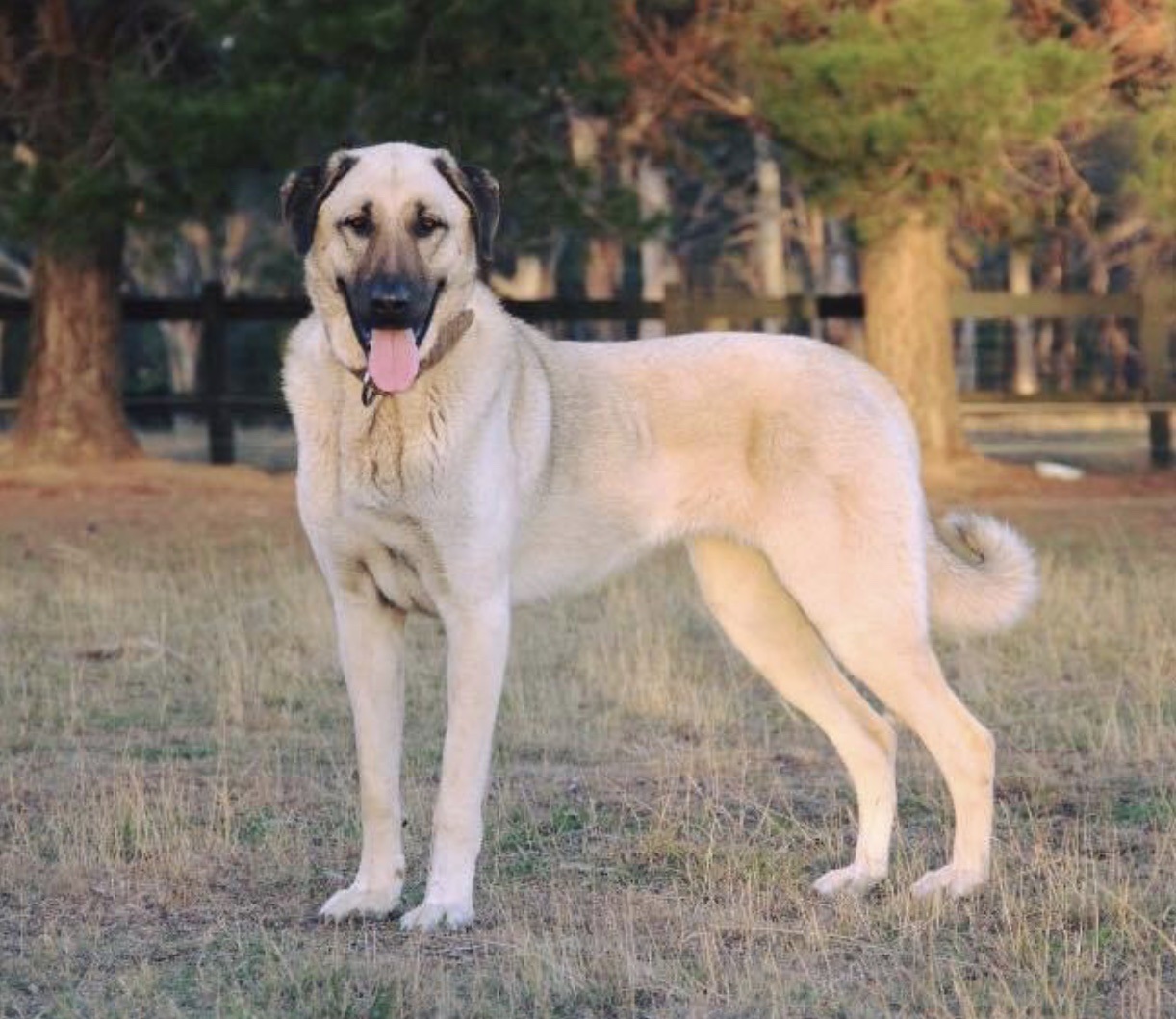
In the UK, the Kangal is categorised under the Pastoral group by the Kennel Club. It is prized for its calm temperament and unwavering loyalty to its family. Physically, they are robust and muscular dogs, characterised by their distinctive coat which ranges from pale fawn to wolf grey. A defining feature of the breed is the velvet-black mask and black-shaded ears, which contrast sharply against their lighter coat. They are large-framed animals, built for endurance and speed when defending their territory.
While they are remarkably powerful, the Kangal is known for being particularly predictable and reliable. They are not naturally aggressive but possess a deeply ingrained protective instinct. They tend to be reserved with strangers while remaining exceptionally affectionate and protective towards children and their immediate human 'pack'. In a domestic setting, they require a calm, confident leader who understands the nuances of a guardian breed's psyche.
Quick Facts
* Origin: Sivas Province, Turkey.
* Kennel Club Group: Pastoral.
* Weight: Males typically weigh 50–66kg; females 41–54kg.
* Height: Males 74–81cm; females 71–79cm.
* Life Expectancy: 10 to 13 years.
* Coat Type: Short, dense double coat.
* Distinguishing Marks: Black mask and ears on a fawn or grey body.
* Temperament: Loyal, protective, steady, and courageous.
Training & Care Tips
Training a Kangal Shepherd Dog requires patience and a firm but fair hand. Because they were bred to think independently and make decisions while guarding flocks, they can sometimes appear headstrong. Positive reinforcement is essential; harsh methods will likely damage the bond of trust between dog and owner. Early socialisation is the most critical element of their training, as they must learn to distinguish between normal social interactions and genuine threats.
Exercise requirements for the Kangal are moderate but non-negotiable. They are not suited for apartment living or small suburban gardens. A large, securely fenced garden is a requirement, as they have a natural instinct to patrol their territory. Daily long walks are necessary to keep them mentally and physically stimulated. It is important to remember that these dogs are extremely strong, so leash training from a young age is vital for safety when out in public.
Grooming is relatively straightforward. Their short, dense double coat sheds moderately throughout the year and heavily during the change of seasons. Weekly brushing with a firm bristle brush will help manage the loose hair and keep the skin healthy. During 'blowing' season, more frequent grooming will be required to manage the undercoat. Like all large breeds, regular checks of their ears, teeth, and claws are essential components of their care routine.
Puppy Tips
When bringing a Kangal puppy into your home, the primary focus must be on socialisation. Between the ages of 8 and 16 weeks, expose your puppy to as many different people, sights, and sounds as possible. This helps to ensure that their natural guarding instinct does not turn into unnecessary suspicion or fear-based reactivity later in life. Enrolling in a reputable puppy training class is highly recommended.
Dietary management is crucial for Kangal puppies. As a giant breed, they grow rapidly, which can put a strain on their developing joints. It is essential to feed a high-quality puppy food specifically formulated for large or giant breeds. Avoid overfeeding or encouraging rapid weight gain, as maintaining a lean body condition during growth helps prevent long-term skeletal issues. Your breeder or vet can provide a tailored feeding schedule.
Finally, remember that while they may look like fluffy teddy bears as puppies, they grow into very large, powerful animals very quickly. Establishing house rules early is important. Do not allow a puppy to do anything that you would not want a 60kg adult dog to do, such as jumping up or sleeping on the sofa, unless you are prepared for that habit to continue for the rest of their life.
Health
The Kangal Shepherd Dog is generally a hardy and healthy breed, largely due to its history as a working dog in harsh environments. However, like all large breeds, they are susceptible to certain genetic and physical conditions. Hip and elbow dysplasia are the most common concerns. Responsible breeders will always provide hip and elbow scores for the parent dogs to minimise the risk of these debilitating conditions in their litters.
Bloat, or Gastric Torsion, is another serious condition common to deep-chested breeds like the Kangal. This is a life-threatening emergency where the stomach twists. To help prevent this, it is advised to feed several small meals a day rather than one large one and to avoid vigorous exercise immediately before or after feeding times. Providing a raised feeding bowl may also be beneficial.
Entropion, a condition where the eyelid folds inward, can occasionally occur and may require surgical correction to prevent irritation to the eye. Routine veterinary check-ups, a balanced diet, and keeping the dog at a healthy weight are the best ways to ensure your Kangal lives a long, comfortable life. Always ensure your pet has access to fresh water and a cool place to rest, as their thick coats make them prone to overheating in warm weather.
Advice for Owners
Owning a Kangal Shepherd Dog is a significant commitment that should not be taken lightly. They are best suited to experienced owners who have handled large, guardian-type breeds before. Their size and strength mean they are not practical for many urban families, and they require a home with plenty of outdoor space and high, secure fencing. A Kangal does not just live in your house; they assume responsibility for it.
Prospective owners must understand that the Kangal is a nocturnal guardian by nature. They may be more alert and prone to barking at night if they hear something unusual outside. This is a trait developed over centuries of watching for predators in the dark. While they are incredibly gentle with their own family, they can be wary of strangers entering 'their' property. Introductions to new people should always be managed carefully by the owner.
If you have the space, experience, and time to dedicate to their socialisation and training, the Kangal is one of the most rewarding companions you can find. They are exceptionally devoted and will provide a sense of security and companionship like no other. For the right household, the Kangal is more than just a pet; they are a steadfast protector and a loyal member of the family for life.
---
Disclaimer
The information in this breed guide is compiled from multiple professional sources, including The Kennel Club, veterinary references, and breed-specific organisations. It is intended for general educational purposes only and is not a substitute for advice from a qualified veterinarian or accredited breeder. Always consult a professional regarding your individual dog's health, training, and care needs.