Keeshond Breed Guide: Facts, Tips & Health
Discover the 'Smiling Dutchman' in our guide to the Keeshond, a devoted companion known for its striking silver-black coat and gentle, affectionate nature.
By By PetNetUK ·
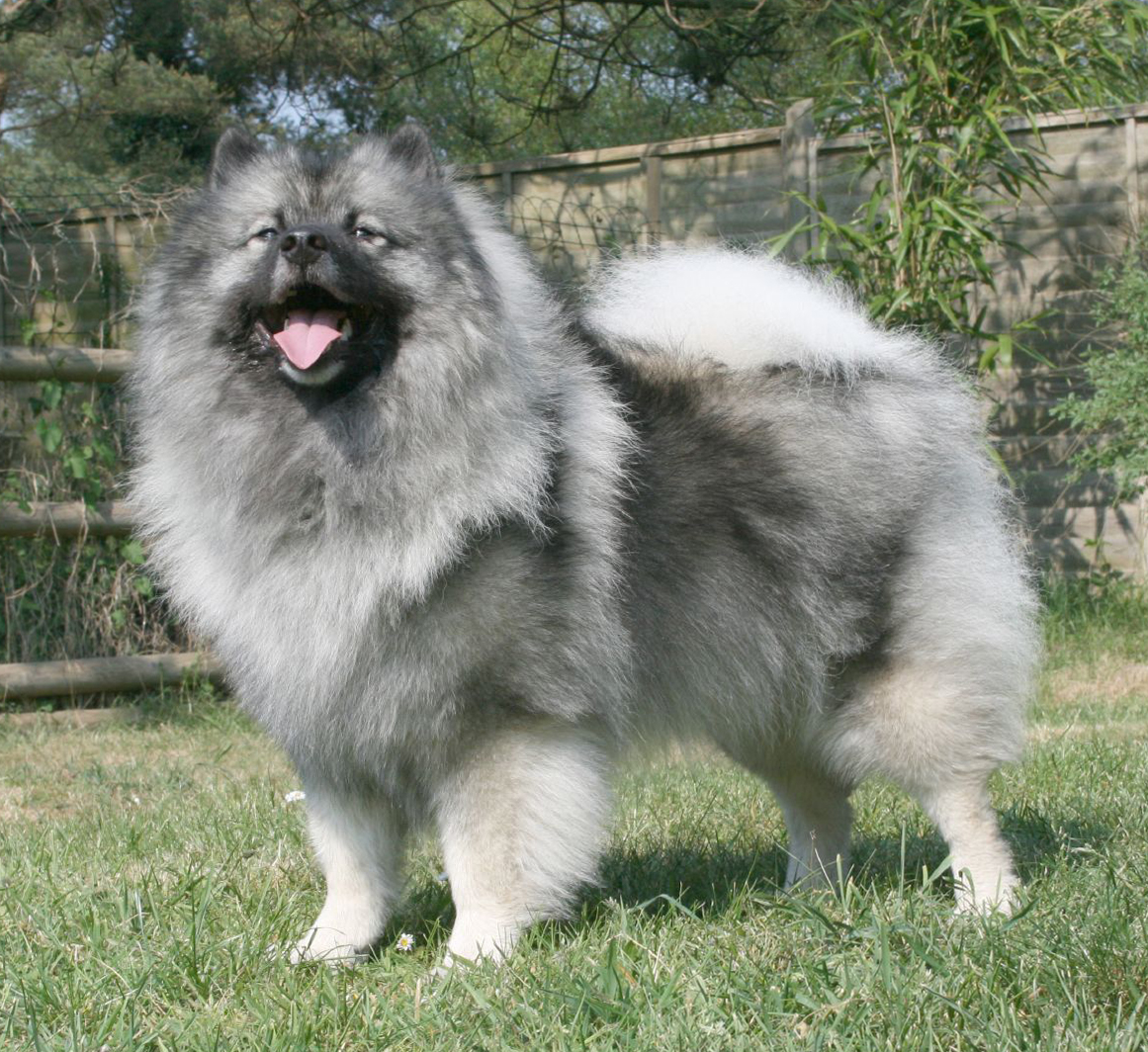
About the Keeshond
The Keeshond is a striking, medium-sized dog that belongs to the Utility group of the Kennel Club. Instantly recognisable by its plush, two-layer coat of silver and black fur, this breed carries a thick ruff around the neck and a characteristic curled tail. Often referred to as the 'Smiling Dutchman', the Keeshond is renowned for its expressive face and the spectacle-like markings around its eyes, which give it an alert and intelligent appearance.
Historically, the Keeshond’s closest relatives are the German spitzes, including the Großspitz, Mittelspitz, and the Zwergspitz (Pomeranian). Unlike many breeds developed for hunting or guarding livestock, the Keeshond was primarily bred as a companion and a watchdog on the canal barges of the Netherlands. This heritage has shaped them into highly social, people-oriented dogs that thrive on human interaction and household activity.
In a domestic setting, the Keeshond is famous for its temperament. They are exceptionally friendly and rarely show aggression, making them an ideal choice for families. Their natural inclination is to stay close to their owners, often following them from room to room. While they are vocal and will bark to alert you to visitors, they are generally welcoming once people have been introduced, making them excellent watchdogs but poor guard dogs.
Quick Facts
* Kennel Club Group: Utility
* Size: Medium-sized; typically 43–46cm at the shoulder for males, slightly smaller for females.
* Coat Type: A dense, soft undercoat with a long, harsh, stand-off outer coat. Notable for the 'spectacle' markings around the eyes.
* Lifespan: Usually 12 to 15 years.
* Temperament: Lively, affectionate, and highly intelligent.
* Exercise Needs: Moderate; they enjoy daily walks and mental stimulation but do not require hours of vigorous running.
* Grooming: High; requires regular brushing to manage the heavy shedding and prevent matting.
Training & Care Tips
Training a Keeshond is a rewarding experience due to their high intelligence and eagerness to please. Unlike some more independent spitz breeds, the Keeshond is very motivated by praise and treats. They excel in obedience and agility trials. However, they can be sensitive, so it is vital to use positive reinforcement techniques rather than harsh corrections, which may cause them to shut down or become stubborn.
Because they were bred as watchdogs, barking can sometimes become an issue if not managed. It is important to teach 'quiet' commands early on. While they will always want to announce arrivals, consistent training helps them understand when their job is done. Mental stimulation is just as important as physical exercise; puzzle toys and scent games are excellent ways to keep their sharp minds occupied.
Regarding physical care, the Keeshond’s coat is their most defining feature but also their most demanding. Despite its appearance, the coat is remarkably good at shedding dirt, but it requires a thorough brushing at least twice a week. During 'blowing' seasons, where they lose their undercoat, daily brushing is necessary to manage the volume of hair. Professional grooming can help, but owners should be prepared for a house with a fair amount of fluff.
Puppy Tips
When bringing a Keeshond puppy home, early socialisation is the priority. While they are naturally friendly, exposing them to various sights, sounds, and people during the first few months will ensure they grow into confident adults. Introduce them to different environments, from busy high streets to quiet parks, and ensure they meet a variety of other dogs in a controlled manner.
House training a Keeshond puppy is typically straightforward as they are clean dogs by nature. They respond well to a routine of frequent garden breaks and rewards for doing their business outside. Crate training can also be useful for overnight stays and providing the puppy with a safe space when they need to rest away from the household hubbub.
Be mindful of their growth plates during the first year. While they are energetic, avoid excessive jumping or long, strenuous hikes until they are fully developed. Short, frequent play sessions and moderate walks are sufficient. Additionally, start grooming rituals immediately; get your puppy used to the sensation of brushes, combs, and having their paws handled so that grooming becomes a bonding activity rather than a struggle.
Health
The Keeshond is generally considered a healthy and hardy breed with few breed-specific issues. However, like all pedigree dogs, there are certain conditions that prospective owners should be aware of. Reputable breeders will screen for hip dysplasia and elbow dysplasia, as well as conducting eye examinations to rule out hereditary cataracts.
One specific condition occasionally seen in the breed is Primary Hyperparathyroidism (PHPT). Fortunately, there is a DNA test available for this, and many UK breeders have worked hard to eradicate it from their lines. Always ask for certificates proving the parents are PHPT-negative. Regular check-ups with a vet, a balanced diet, and maintaining a healthy weight will contribute significantly to their longevity.
Advice for Owners
The Keeshond is the ultimate family dog for those who want a constant companion. They do not do well in households where they are left alone for long periods, as they are prone to separation anxiety. If you work long hours away from home, this may not be the breed for you unless you can arrange for dog sitting or daycare.
Expect a shadow. The Keeshond will want to be involved in every aspect of your life, from gardening to watching television. They are particularly good with children, showing a patient and playful nature, though they should always be supervised around very young toddlers due to their bouncy energy. If you can commit to the grooming requirements and the need for constant companionship, you will find no more loyal or charming friend than the Keeshond.
---
Disclaimer
The information in this breed guide is compiled from multiple professional sources, including The Kennel Club, veterinary references, and breed-specific organisations. It is intended for general educational purposes only and is not a substitute for advice from a qualified veterinarian or accredited breeder. Always consult a professional regarding your individual dog's health, training, and care needs.