Bulldog Breed Guide: Facts, Tips & Health
Discover everything you need to know about the iconic Bulldog. From their gentle nature to essential health care, our guide covers how to provide a great life for this British classic.
By By PetNetUK ·
About the Bulldog
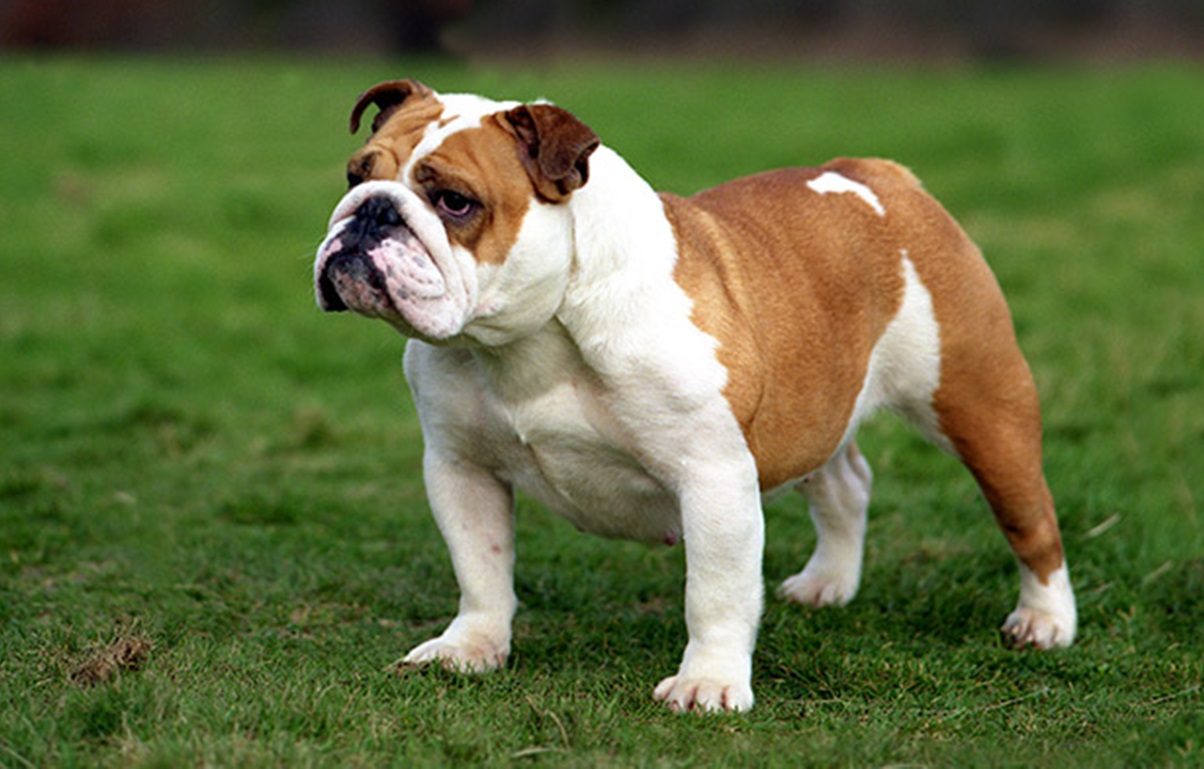
The Bulldog, often referred to as the English Bulldog or British Bulldog, is one of the most recognisable and iconic breeds in the United Kingdom. Classified within the Utility group by the Kennel Club, this mastiff-type dog is known for its stocky, muscular build and distinctive, courageous expression. Despite their historical origins in bull-baiting, modern Bulldogs have been bred for generations to be gentle, affectionate companions that thrive on human interaction.
Characterised by a large head, thick folds of skin across the face and shoulders, and a protruding lower jaw, the Bulldog possesses a unique silhouette. They are medium-sized dogs with a low centre of gravity, making them sturdy and robust. While they may look imposing, they are famously dependable and predictable, often forming deep bonds with their owners and showing a particular patience with children.
In recent years, the breed has been the subject of significant discussion regarding its welfare. Selective breeding for extreme physical traits has led to the Bulldog becoming more susceptible to health issues than many other breeds. Prospective owners must understand that while the Bulldog is a rewarding companion, they require a dedicated level of care and a commitment to managing their physical limitations.
Quick Facts
* Group: Utility
* Size: Medium
* Weight: Approximately 23kg to 25kg
* Life Expectancy: 8 to 10 years
* Temperament: Docile, courageous, and affectionate
* Exercise Needs: Low to moderate; vertical exercise should be avoided
* Grooming: Low maintenance coat, but high maintenance facial skin folds
* Origin: Great Britain
Training & Care Tips
Bulldogs are generally laid-back, but they can possess a stubborn streak. Training should begin as early as possible, focusing on positive reinforcement and patience. They do not respond well to harsh correction; instead, use treats and praise to encourage cooperation. Because of their heavy build and flat faces, they are not high-energy athletes. Short, gentle walks are sufficient to keep them healthy, as over-exertion can lead to breathing difficulties.
Controlling their environment is a crucial part of Bulldog care. Their brachycephalic (flat-faced) nature makes them highly sensitive to temperature. During British summers, it is vital to keep them in cool, shaded areas. Never walk a Bulldog in the midday sun, as they can suffer from heatstroke incredibly quickly. Access to fresh water and fans or air conditioning indoors is essential during warmer spells.
Daily grooming is straightforward for their short coat, but their skin folds require meticulous attention. The deep wrinkles on the face and around the tail must be cleaned daily with a damp cloth or unscented pet wipe and then dried thoroughly. If left damp, these areas are prone to painful infections and dermatitis. Owners should also check the ears and paw pads regularly for any signs of irritation or redness.
Puppy Tips
If you are searching for a Bulldog puppy, choosing a responsible breeder is the most important decision you will make. Ensure the breeder performs all recommended health screenings and prioritises health over extreme physical features. Ask to see the mother and, if possible, the father, to assess their breathing and mobility. A healthy puppy should have open nostrils and be able to move freely without sounding heavy or distressed.
Socialisation is key during the first few months. Introduce your puppy to a variety of people, sounds, and other vaccinated dogs in a calm, controlled manner. Because Bulldogs grow into heavy, powerful dogs, teaching them not to jump up on people and to walk nicely on a lead while they are small is much easier than correcting these habits later. Puppy-proof your home by ensuring they do not have access to steep stairs, as their joints are vulnerable during growth.
Dietary management should start from day one. Bulldogs are prone to obesity, which puts dangerous pressure on their joints and respiratory system. Follow the feeding guidelines provided by your breeder or vet, and avoid excessive treats. A steady, slow growth rate is much healthier for their developing skeleton than rapid weight gain.
Health
The Bulldog faces a variety of health challenges that every owner must be prepared for. Their brachycephalic facial structure can lead to Brachycephalic Obstructive Airway Syndrome (BOAS), which causes breathing difficulties. In some cases, surgical intervention may be required to widen nostrils or shorten a long soft palate to improve their quality of life. In fact, concerns over their health have led to the breed being banned from breeding in the Netherlands.
Hip and elbow dysplasia are also common in the breed, where the joints do not develop correctly, potentially leading to arthritis. Keeping your Bulldog at a lean weight is the best way to manage joint stress. Furthermore, Bulldogs are prone to eye conditions such as 'cherry eye' (a prolapsed gland in the third eyelid) and entropion, where the eyelids turn inwards and irritate the eye.
Skin issues are the most frequent reason for vet visits. Beyond fold dermatitis, they can suffer from allergies and 'interdigital cysts' between their toes. Regular inspections and keeping the skin clean and dry are the first lines of defence. It is strongly recommended to take out a comprehensive pet insurance policy early in the dog's life, as veterinary costs for Bulldogs can be significantly higher than for other breeds.
Advice for Owners
Owning a Bulldog is a significant commitment that requires more than just providing a home. You must be prepared to be a proactive advocate for their health. This means monitoring their breathing daily and being ready to adjust your routine based on the weather. If you are looking for a hiking companion or a dog to take on long summer runs, the Bulldog is not the right choice for your lifestyle.
However, for those who want a loyal, affectionate, and relatively quiet house companion, the Bulldog is unparalleled. They are perfectly suited to apartment living or homes with smaller gardens, provided they get their daily stroll. They are famous for their 'clownish' personality and will often provide plenty of entertainment with their peculiar habits and snoring.
Before bringing a Bulldog home, research the breed thoroughly and speak to existing owners. Ensure you have a local vet who is experienced with brachycephalic breeds. By understanding their needs and limitations, you can ensure your Bulldog lives the most comfortable and happy life possible. They are truly one of the most charming breeds in the canine world, rewarding their owners with unwavering devotion.
---
Disclaimer
The information in this breed guide is compiled from multiple professional sources, including The Kennel Club, veterinary references, and breed-specific organisations. It is intended for general educational purposes only and is not a substitute for advice from a qualified veterinarian or accredited breeder. Always consult a professional regarding your individual dog's health, training, and care needs.