Catalan Sheepdog Breed Guide: Facts, Tips & Health
Hailing from the Pyrenean foothills, the Catalan Sheepdog is an intelligent, shaggy-coated pastoral breed known for its devotion and exceptional herding instincts.
By By PetNetUK ·
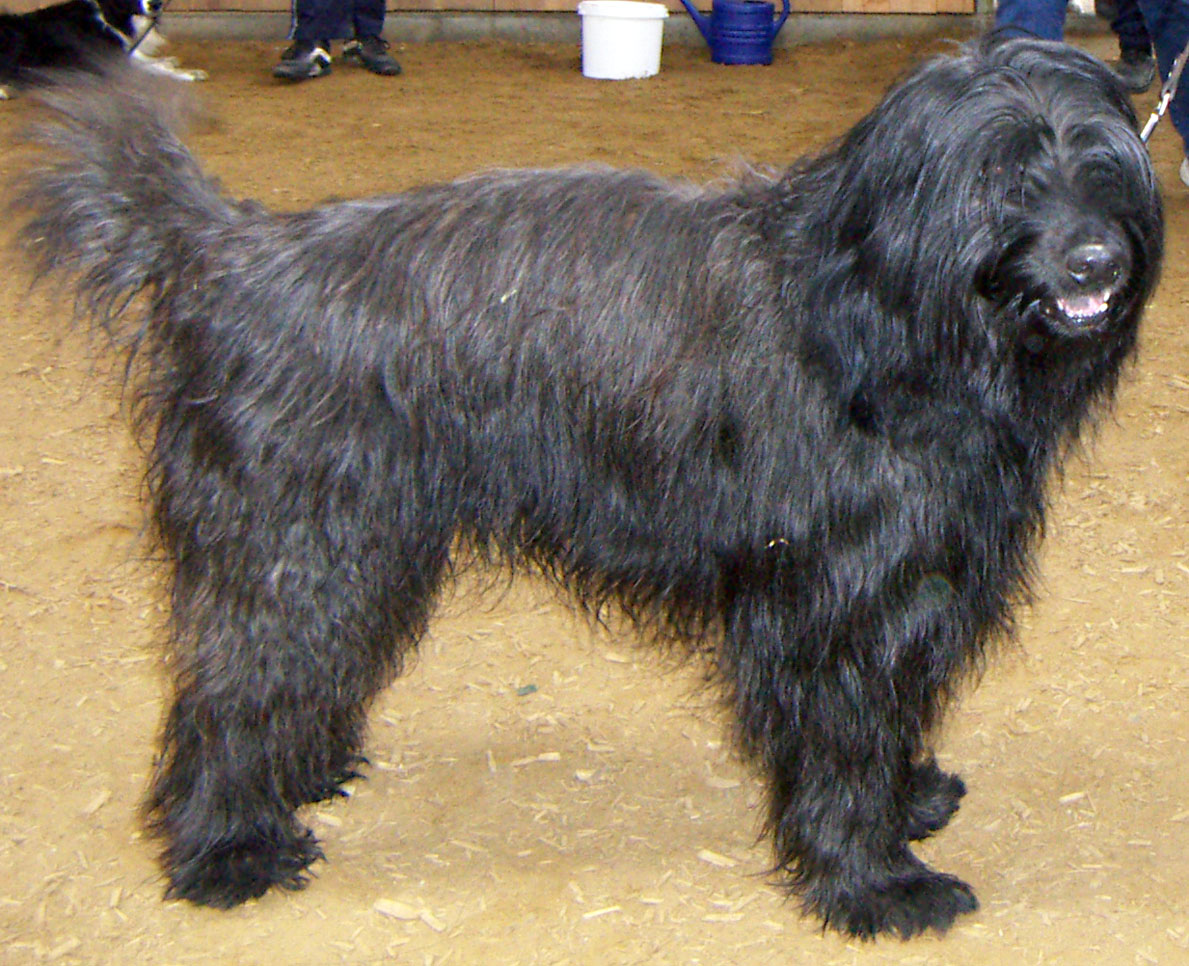
About the Catalan Sheepdog
The Catalan Sheepdog, or Gos d'Atura Català, is a remarkable herding breed originating from the valleys and foothills of the Pyrenees in Catalonia. While their roots are firmly planted in the rugged Spanish mountains, their reputation as versatile and hardy workers has seen them spread throughout Spain and into various European countries, including Finland, France, Germany, and Holland. Traditionally used to guard and drive flocks of sheep, they are renowned for their ability to work independently, often making decisions without the shepherd's immediate command.
In appearance, they are instantly recognisable by their weather-resistant, shaggy double coat, which protects them from the harsh conditions of high altitudes. They possess a balanced, medium-sized build and a soulful, intelligent expression. Beyond their working capabilities, they have transitioned into the role of household companion with ease, provided their physical and mental needs are met. They are known for being exceptionally loyal to their families, though they can be naturally wary of strangers until properly introduced.
Quick Facts
* Kennel Club Group: Pastoral
* Origin: Catalonia (Spain)
* Size: Medium (typically 45-55cm at the shoulder)
* Coat Type: Long, flat or slightly wavy shaggy coat with a dense undercoat
* Exercise Needs: High; these are active dogs that require daily mental and physical stimulation
* Lifespan: 12 to 14 years
* Temperament: Intelligent, brave, and devoted
Training & Care Tips
Because the Catalan Sheepdog was bred to manage flocks autonomously, they are highly intelligent and possess a strong-willed nature. They respond best to positive reinforcement techniques and consistent leadership. Boredom is the biggest challenge when training this breed; they require variety to remain engaged. Incorporating agility, obedience trials, or advanced scent work can provide the mental challenge they crave. They are sensitive dogs that form deep bonds with their handlers, so harsh corrections should always be avoided.
In terms of daily care, grooming is a priority. Their unique coat goes through a distinct molting process where the front half often sheds before the back half. Regular brushing—at least twice a week—is essential to prevent matting and to remove debris they may pick up during outdoor adventures. During the seasonal shed, more frequent attention is required. Despite their long hair, they are surprisingly agile and do not require excessive bathing, as their coat is designed to be naturally dirt-repellent.
Exercise is non-negotiable for this breed. A short walk around the block will not suffice. They thrive on long hikes, runs, and opportunities to explore off-lead in secure areas. Without sufficient outlets for their energy, they may develop unwanted behaviours such as excessive barking or destructive chewing.
Puppy Tips
Early socialisation is critical for Catalan Sheepdog puppies. Due to their heritage as guardians, they can be naturally protective. Exposing them to a wide variety of people, environments, and other animals during their first few months will help ensure they grow into well-rounded, confident adults. Enrolling in puppy classes is an excellent way to start their social journey and begin basic obedience in a controlled environment.
When bringing a puppy home, be mindful of their physical development. While they are energetic, their joints and bones are still growing. Avoid high-impact exercise, such as jumping or long runs on hard surfaces, until they are fully matured. Focus instead on short play sessions and mental puzzles. Crate training can also be beneficial, providing them with a safe 'den' where they can rest and settle, which is an important skill for an inherently active breed to learn.
Health
Overall, the Catalan Sheepdog is a robust and healthy breed, largely due to its history as a working mountain dog. However, like all breeds, they can be predisposed to certain hereditary conditions. Responsible breeders will screen for hip dysplasia, which is a common concern in medium to large breeds. It is advisable to ask for hip scores of the parents before committing to a puppy.
Other considerations include progressive retinal atrophy (PRA) and dental health. Regular check-ups with a vet, a high-quality diet, and routine preventative care for parasites are essential. Ensuring they maintain a healthy weight is particularly important to avoid unnecessary strain on their joints as they age.
Advice for Owners
The Catalan Sheepdog is best suited to active households where someone is home for much of the day. They do not enjoy being left alone for long periods and may become anxious if excluded from family activities. They make excellent companions for families with children, often displaying a patient and protective nature, though all interactions between dogs and young children should be supervised.
Prospective owners should consider if they have the time to commit to both the grooming and the exercise needs of this breed. They are not 'couch potato' dogs; they thrive when they have a job to do. If you live in an urban environment, ensure you have easy access to large green spaces. For the right owner, the Catalan Sheepdog is a peerless companion—loyal, courageous, and endlessly rewarding to live with.
---
Disclaimer
The information in this breed guide is compiled from multiple professional sources, including The Kennel Club, veterinary references, and breed-specific organisations. It is intended for general educational purposes only and is not a substitute for advice from a qualified veterinarian or accredited breeder. Always consult a professional regarding your individual dog's health, training, and care needs.