XL Bully Ban One Year On: What UK Dog Owners Need to Know in 2026
A year after the XL Bully ban, this article reviews its impact, exemption scheme, enforcement, and the ongoing challenges for owners and rescue organisations.
By By PetNetUK ·
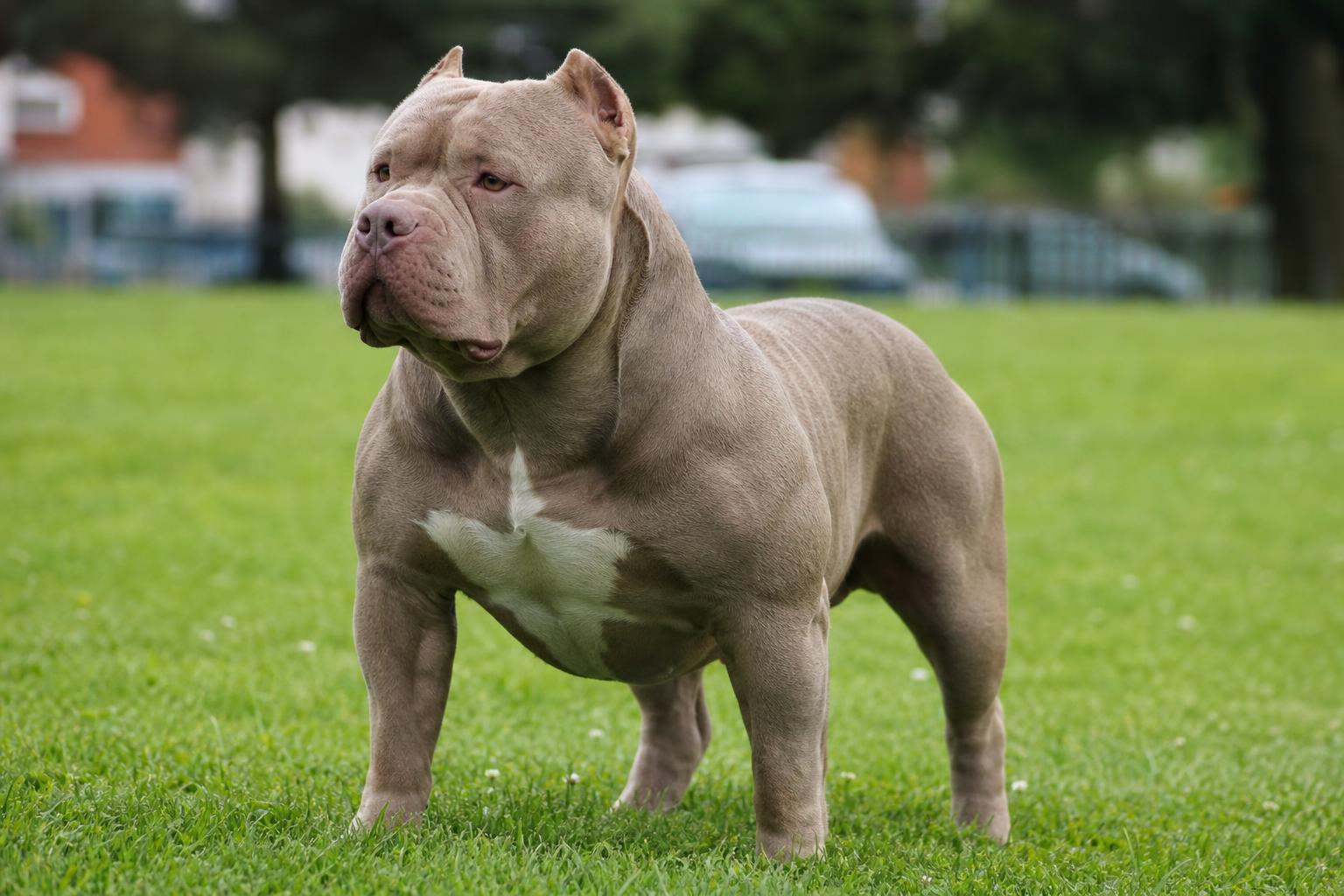
One year has passed since the full implementation of the ban on XL Bully type dogs in England and Wales on 1 February 2024, a measure introduced under the Dangerous Dogs Act 1991. The period since the ban's inception has been marked by significant adjustments for dog owners, rescue organisations, and authorities. As we move into 2026, it's timely to reflect on the landscape shaped by this legislation and what UK dog owners need to understand.
The Exemption Scheme: A Year in Review
The cornerstone of the ban allowed existing XL Bully type dogs to remain with their owners provided they were registered on the Defra-managed exemption scheme. Key requirements included microchipping, neutering (with age-specific deadlines), and always being muzzled and on a lead in public. Owners were also mandated to hold third-party liability insurance for their dogs.
Reports in early 2025 indicated a substantial number of dogs were successfully exempted. However, challenges were noted, particularly regarding the neutering deadlines. The British Veterinary Association (BVA) had previously highlighted the immense pressure this placed on veterinary practices, forecasting potential capacity issues. As of early 2026, concerns may still exist regarding the long-term monitoring of exempted dogs and the adherence of all owners to the scheme's conditions.
Enforcement and Impact on Public Safety
Defra, in conjunction with local authorities and police forces, has been responsible for enforcing the ban. While official figures on seizures and prosecutions specifically related to XL Bully types have been released periodically, the overall impact on dog-related incidents is a subject of ongoing debate. organisations like the Kennel Club have consistently called for a broader approach to dog control, focusing on responsible ownership and education rather than breed-specific legislation.
Public perception of dog safety has also been a focal point. The initial rationale for the ban was to reduce serious dog attacks. While official statistics will continue to be scrutinised, the efficacy of breed-specific legislation remains a contentious issue among animal welfare groups and canine behaviour experts.
Challenges for Rescue Organisations
The ban presented unique and severe challenges for animal rescue organisations such as the RSPCA, Dogs Trust, and others. Prior to the full ban, these charities faced difficult decisions regarding dogs that met the XL Bully type definition. Many dogs had to be euthanised due to the inability to rehome them legally and the significant resources required for long-term care of dogs that could not be exempted. This put immense strain on staff and finances.
As of 2026, the ongoing challenge for rescues is twofold: managing the welfare of 'type' dogs already in their care that might still be unexempted, and dealing with dogs that could be classed as XL Bully types entering the rescue system. While Cats Protection was not directly affected by this ban, the overall pressure on the animal welfare sector can have knock-on effects across all animal types.
The PDSA has continued to advocate for accessible veterinary care, which is crucial for owners trying to meet neutering requirements and for the general health of exempted dogs. The financial burden of pet ownership, including the mandatory insurance, remains a significant consideration for many.
Insurance and Legal Developments
The mandatory third-party liability insurance for exempted XL Bully type dogs became a key requirement. The Association of British Insurers (ABI) and individual insurers worked to provide suitable products. The Financial Conduct Authority (FCA) may have been involved in ensuring the fair provision and pricing of these policies. Owners must maintain this insurance coverage to remain compliant with the exemption scheme.
Legal challenges to the ban, though unlikely to overturn the legislation at this stage, may continue. Arguments often centre on the scientific validity of breed-specific legislation and human rights, particularly regarding property rights. Any significant legal precedents as of 2026 would be widely reported and could subtly influence future legislative interpretation or enforcement.
Looking Ahead: The Future of Dog Control
The long-term effectiveness of the XL Bully ban in enhancing public safety is an area that will continue to be monitored by Defra and independent bodies. Animal welfare organisations like the RSPCA and the Kennel Club continue to advocate for comprehensive legislative reform, moving away from breed-specific bans towards preventative measures, robust enforcement of dangerous dog offences based on behaviour, and public education on responsible dog ownership and safe interactions.
It is anticipated that discussions around the Dangerous Dogs Act 1991 will persist, with calls for a more holistic approach to dog legislation that addresses the root causes of dog-related incidents, such as poor breeding practices, lack of training, and irresponsible ownership across all breeds.
Key Takeaways
- All XL Bully type dogs in England and Wales must be exempted, microchipped, neutered, and insured.
- Muzzling and lead usage are mandatory in public for exempted dogs.
- Owners must maintain third-party liability insurance at all times.
- Enforcement by local authorities and police continues, with potential penalties for non-compliance.
- Animal welfare organisations face ongoing challenges related to the ban's impact on care and rehoming.
- The debate over breed-specific legislation versus responsible dog ownership continues among stakeholders.
Disclaimer
This article is for general information only based on publicly reported developments at the time of writing. Dog owners are strongly advised to consult official guidance from Defra, their local authority, or a qualified legal or canine professional for the most up-to-date and specific requirements related to the XL Bully ban.