Japanese Shiba Inu Breed Guide: Facts, Tips & Health
Discover the 'brushwood dog' of Japan. This spirited, fox-like companion is a bold and loyal addition to the right home, offering intelligence and an independent nature.
By By PetNetUK ·
About the Japanese Shiba Inu
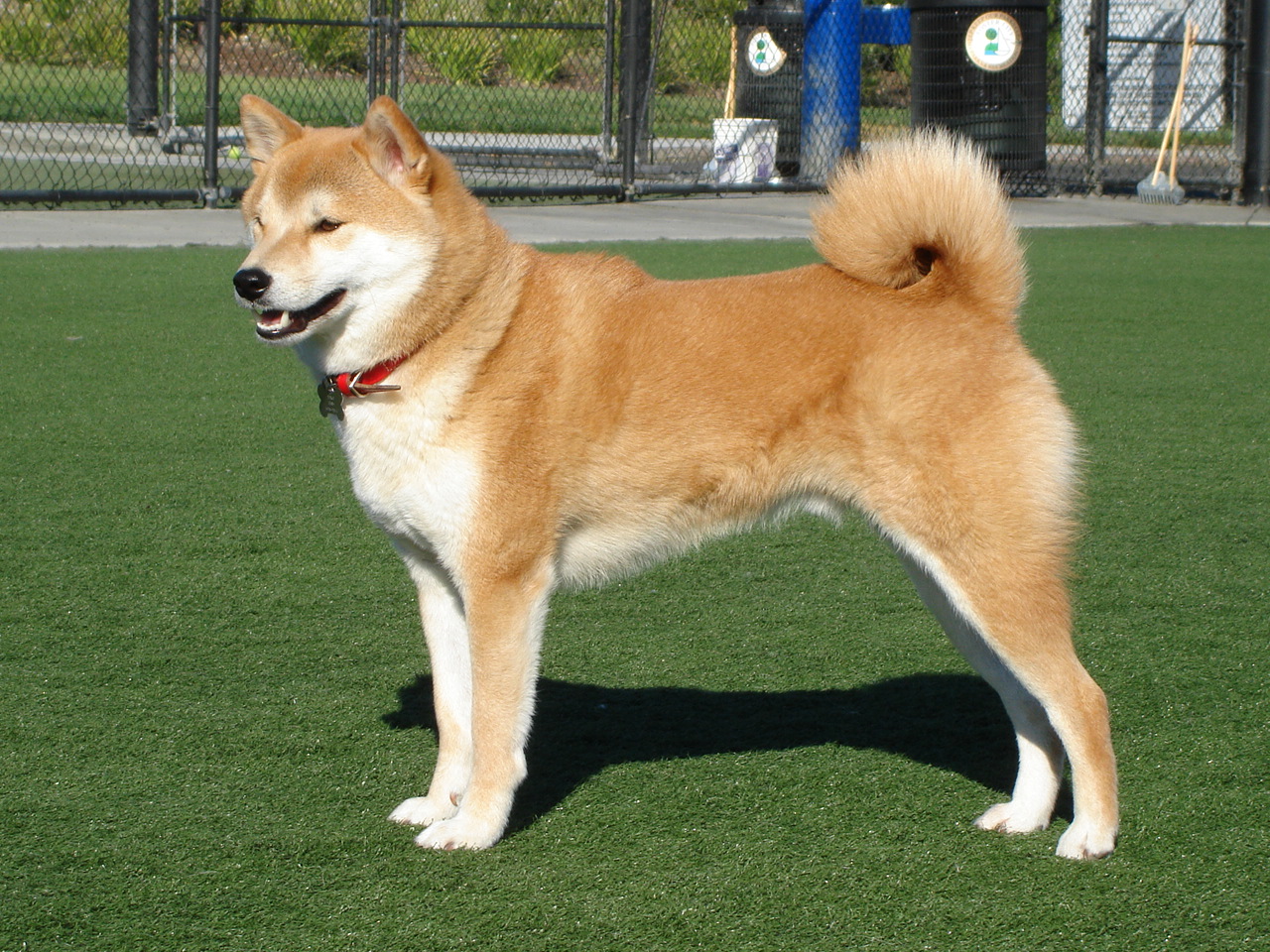
The Japanese Shiba Inu is a spirited, small-to-medium sized dog that holds the title of the smallest of the six original native Japanese breeds. Originally bred for hunting, its name literally translates to 'brushwood dog', referencing its primary role of flushing small game and birds out of the dense undergrowth. Belonging to the Kennel Club Utility group, this breed is renowned for its fox-like appearance, curled tail, and incredibly sharp senses.
In terms of personality, the Shiba is famously independent and can often be described as having a 'cat-like' temperament. They are impeccably clean, often avoids puddles, and spend a significant amount of time grooming themselves. While they are deeply loyal to their family, they can be somewhat aloof with strangers, preferring to observe from a distance before offering their trust. Their bold and confident nature makes them fascinating companions for experienced dog owners.
Despite their compact size, they possess a big personality. They are widely known for the 'Shiba Scream'—a high-pitched vocalisation they produce when they are particularly excited, stressed, or unhappy. Living with a Shiba means embracing a dog with a strong will and a distinct voice, both literally and figuratively.
Quick Facts
* Country of Origin: Japan
* Kennel Club Group: Utility
* Life Expectancy: 12 to 15 years
* Height: 37-40cm for males, 34-37cm for females
* Weight: Approximately 8-11kg
* Coat Type: Double coat with a stiff, straight outer layer and a soft, thick undercoat
* Colours: Red, sesame (red with black-tipped hairs), or black and tan, all usually featuring white 'urajiro' markings on the muzzle, checks, chest, and belly
Training & Care Tips
Training a Japanese Shiba Inu requires patience and a firm but fair hand. Their hunting heritage means they possess a high prey drive and an independent streak that can make off-lead walking a challenge. It is generally recommended to keep them on a lead in unenclosed public spaces, as the instinct to chase a squirrel or bird will often override a recall command. Positive reinforcement using high-value rewards works best, as the Shiba will often ask 'what is in it for me?' before complying.
Socialisation is paramount from a very early age. Because the breed can be naturally wary and territorial, exposing them to various sights, sounds, humans, and other dogs during their first few months is essential to prevent reactivity. They are highly intelligent dogs but do not enjoy mindless repetition; keep training sessions short, varied, and engaging to stop them from becoming bored and stubborn.
In terms of daily care, the Shiba is a relatively low-maintenance breed regarding cleanliness. However, they are heavy shedders, particularly during 'blowing' season twice a year. Daily brushing during these periods is necessary to manage the amount of fur in the home. They require a moderate amount of daily exercise, involving a good walk and opportunities for mental stimulation through scent work or puzzle toys to keep their active minds occupied.
Puppy Tips
When bringing a Shiba Inu puppy home, focus on 'body handling' immediately. Shibas can be sensitive about their paws, ears, and tails being touched. Gently handling these areas and rewarding your puppy with treats will make future trips to the vet or the groomer much easier for everyone involved. Early crate training is also highly recommended, as it provides them with a secure 'den' that caters to their natural desire for a private space.
Choosing a reputable breeder is vital for this breed. Research breeders who prioritise temperament and health screening. A well-bred Shiba puppy should be curious and bold, rather than overly fearful. Ask to see the mother and, if possible, the father, to gauge their temperament. Given their intelligence, Shiba puppies can be quick to house-train, often grasping the concept much faster than other breeds due to their naturally fastidious nature.
Health
The Japanese Shiba Inu is generally considered a robust and healthy breed with a long lifespan. However, like all purebred dogs, they can be predisposed to certain hereditary conditions. Responsible breeders will screen their stock for hip dysplasia and luxating patellas (dislocation of the kneecap). Keeping your Shiba at a healthy weight is one of the most effective ways to prevent joint-related issues as they age.
Eye conditions, such as glaucoma or progressive retinal atrophy, can occasionally occur within the breed. Regular veterinary check-ups are essential to monitor eye health and general wellbeing. Allergies, particularly skin allergies leading to itchiness, are also noted in some Shiba lines. These are often manageable through diet and environmental control, but it is important to consult with a vet if you notice excessive scratching or licking.
Advice for Owners
The Shiba Inu is not typically recommended for first-time dog owners. Their combination of intelligence and stubbornness requires a handler who understands canine psychology and can display consistent leadership without being harsh. If you appreciate a dog that is an equal partner rather than a submissive servant, the Shiba may be the perfect match. They are best suited to households with older children who understand how to respect a dog's personal space.
Potential owners should be prepared for the 'Shiba attitude'. This is a dog that will challenge boundaries and think for itself. However, for those who put in the effort to build a bond based on mutual respect, the rewards are immense. You will have a loyal, clean, and endlessly entertaining companion that brings a touch of Japanese history and wild spirit into your home.
---
Disclaimer
The information in this breed guide is compiled from multiple professional sources, including The Kennel Club, veterinary references, and breed-specific organisations. It is intended for general educational purposes only and is not a substitute for advice from a qualified veterinarian or accredited breeder. Always consult a professional regarding your individual dog's health, training, and care needs.