Basset Hound Breed Guide: Facts, Tips & Health
With their soulful eyes and distinctive long ears, Basset Hounds are the ultimate low-energy companions. Discover if this expert scent hound is the right fit for your home.
By By PetNetUK ·
About the Basset Hound
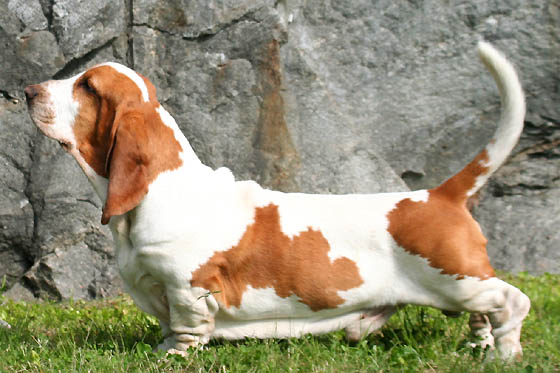
The Basset Hound is one of the most recognisable breeds in the United Kingdom, celebrated for its heavy bone structure, short legs, and incredibly long ears. Despite their somewhat mournful expression, these hounds are known for being exceptionally good-natured, sociable, and affectionate companions. Originally developed in Great Britain from several now-extinct strains of French basset breeds, they were designed to be the perfect hunting partner for those on foot. Unlike many other hounds that require a horse to keep pace, the Basset was bred to move slowly enough for a walking hunter to follow while tracking rabbit and hare.
Technically a scent hound, the Basset's ability to follow a trail is legendary. Experts generally agree that their sense of smell and ability to ground-scent is second only to the Bloodhound. This olfactory prowess defines much of their personality; once a Basset has 'locked on' to a scent, they can become remarkably single-minded. While they may appear lazy when lounging on a sofa, they are surprisingly athletic and persistent when following a trail through the undergrowth.
In a domestic setting, the Basset Hound is a dedicated family member. They are famously patient with children and tend to get along well with other household pets, including cats. They are pack animals at heart and thrive on company, often suffering from separation anxiety if left alone for long periods. Their melodic (and often loud) 'baying' is a hallmark of the breed, used to communicate during a hunt but also frequently employed to tell their owners that it is time for dinner.
Quick Facts
* Kennel Club Group: Hound
* Size: Medium to large (heavy-set)
* Lifespan: 10–12 years
* Coat: Short, smooth, and easy to maintain
* Colours: Traditionally tri-colour (black, tan, and white) or lemon and white, though any recognised hound colour is acceptable.
* Exercise Needs: Moderate; they require daily walks but are not high-intensity athletes.
* Shedding: Moderate to high; their short hairs can be persistent on furniture.
* Temperament: Docile, stubborn, affectionate, and sociable.
Training & Care Tips
Training a Basset Hound requires a significant amount of patience and a healthy supply of high-value treats. They are bypassers of 'conventional' obedience; while they are highly intelligent, they are also famously independent and stubborn. If a scent is more interesting than your command, the scent will usually win. Positive reinforcement and reward-based training are essential, as harsh corrections will only cause this sensitive breed to shut down.
Recall is the biggest challenge for any Basset owner. Because they are driven by their noses, they should generally be kept on a lead in unenclosed areas. Even the most well-behaved Basset can develop 'scent blindness' to their owner's voice if they pick up the trail of a rabbit. Daily walks are necessary to prevent obesity—a serious health risk for this breed—but these should be 'sniffing safaris' where the dog is allowed to explore their environment through their nose.
Grooming is relatively straightforward due to their short coats, but their unique anatomy requires specific attention. Their long ears drag on the ground and often dip into food bowls, making them prone to infections and dirt buildup. Owners should clean the ears weekly and wipe them after meals. Additionally, the skin folds around their face and legs should be kept clean and dry to prevent dermatitis.
Puppy Tips
When bringing a Basset Hound puppy home, it is vital to manage their physical activity carefully. Because they are a 'chondrodystrophic' breed (meaning they have short, curved limbs), their joints and growth plates are under significant pressure during their first year. Avoid letting your puppy jump off sofas or run up and down stairs, as this can lead to permanent joint damage or spinal issues. Use ramps where possible and lift them into the car.
Socialisation is equally important during the puppy stages. While Bassets are naturally friendly, exposing them to various sights, sounds, and people will ensure they grow into confident adults. Introduce them to grooming routines early—especially ear cleaning and nail clipping—as a fully grown, stubborn Basset who dislikes having its paws handled can be a handful for any owner or vet.
Health
Like many pedigree breeds, the Basset Hound is susceptible to certain health conditions. Their long backs and short legs make them prone to Intervertebral Disc Disease (IVDD). Maintaining a lean weight is the single most effective way to protect their spine; an overweight Basset faces significantly higher risks of back pain and paralysis. Owners must be disciplined with treats and ensure regular, low-impact exercise.
Gastric Torsion, or 'Bloat', is another concern due to their deep-chested build. This is a life-threatening condition where the stomach twists. To mitigate this risk, it is recommended to feed two smaller meals a day rather than one large one and avoid vigorous exercise immediately after eating. You should also be aware of glaucoma and other eye conditions, as their droopy eyelids (ectropion) can leave the eyes vulnerable to irritation and infection.
Advice for Owners
Owning a Basset Hound is a joyful experience, but it requires a sense of humour. You must be prepared for a dog that moves at its own pace and may 'selective hear' your instructions when there is an interesting smell afoot. They are not the right choice for owners who want a jogging partner or a dog that will perform complex tricks on demand. They are, however, the perfect choice for those who want a loyal, soul-stirring companion who is happy to spend the evening snoozing by your feet.
Finally, consider the 'hound smell'. Bassets have oily coats that carry a distinct musky scent, which is more noticeable than in many other breeds. Regular bedding washes and the occasional bath will help, but a true Basset lover considers this just part of the charm. If you can provide a patient home, a secure garden, and plenty of affection, the Basset Hound will reward you with unparalleled devotion.
---
Disclaimer
The information in this breed guide is compiled from multiple professional sources, including The Kennel Club, veterinary references, and breed-specific organisations. It is intended for general educational purposes only and is not a substitute for advice from a qualified veterinarian or accredited breeder. Always consult a professional regarding your individual dog's health, training, and care needs.