Mexican Hairless (Standard) Breed Guide: Facts, Tips & Health
Discover the ancient and enigmatic Mexican Hairless (Standard). Learn about the history, unique care needs, and loyal temperament of this striking Aztec dog breed.
By By PetNetUK ·
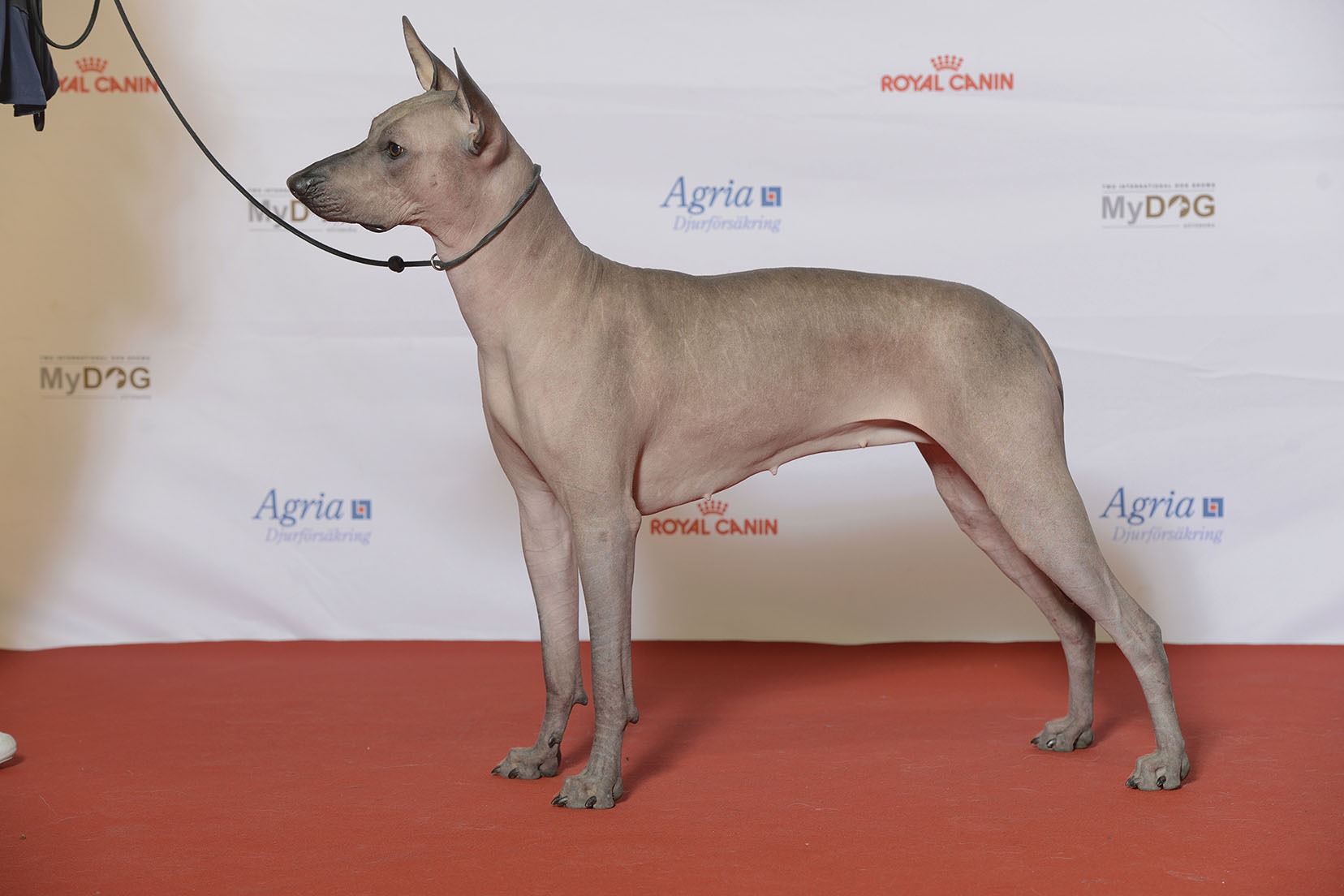
About the Mexican Hairless (Standard)
The Mexican Hairless, or Xoloitzcuintle, is a breed steeped in history and mystery. Originating from ancient Mexico, its name is derived from the Nahuatl words 'Xolotl'—the Aztec god of fire and lightning—and 'itzcuīntli', which simply means dog. According to ancient narratives, the god Xolotl created these dogs to guard the living and guide the souls of the dead through the underworld. Today, they are cherished companions, recognised by the Kennel Club in the Utility group.
Physically, the Standard Xolo is a well-proportioned, athletic dog with a clean-cut appearance. One of the most fascinating aspects of the breed is that they occur in two varieties: hairless and coated. Both can be born in the same litter. The hairless variant is characterized by its smooth, tough skin and often exhibits dental abnormalities, which is a genetic trait linked to hairlessness. The coated variety, by contrast, is fully covered in a short, dense coat.
In terms of temperament, the Mexican Hairless is known for being calm, aloof with strangers, but incredibly loyal to its family. They are highly intelligent and sensitive, often forming a deep bond with a single person while remaining affectionate with the rest of the household. Their alert nature makes them excellent watchdogs, as they are naturally protective without being prone to unnecessary barking.
Quick Facts
* Kennel Club Group: Utility
* Size: Standard (typically 46cm to 60cm at the shoulder)
* Life Expectancy: 12 to 15 years
* Varieties: Hairless and Coated
* Origin: Mexico
* Temperament: Loyal, intelligent, alert, and calm
* Exercise Needs: Moderate to High
* Grooming: Low (but requires specific skin care)
Training & Care Tips
Training a Mexican Hairless requires a gentle but firm hand. Because they are highly sensitive and intelligent, they do not respond well to harsh corrections. Positive reinforcement, using treats and praise, is the most effective way to engage them. Early socialisation is essential to ensure they become well-adjusted adults, as their natural instinct is to be wary of unfamiliar people and environments.
Care for the hairless variety is unique compared to most other breeds. Their skin is durable but requires protection. During the British summer, it is vital to apply dog-safe sun cream to prevent sunburn. Conversely, in the winter, their lack of fur means they feel the cold acutely. A well-fitted winter coat or fleece is a necessity for outdoor walks to keep them warm and comfortable.
Exercise should be consistent. The Standard Xolo is an athletic dog that enjoys long walks and the opportunity to run in a secure area. They also excel in dog sports such as agility or obedience, which provides the mental stimulation they crave. In the home, they are remarkably quiet and will happily spend hours relaxing by your side once their exercise needs have been met.
Puppy Tips
When looking for a Mexican Hairless puppy, it is crucial to find a reputable breeder who understands the genetics of the breed. Since hairless and coated puppies appear in the same litter, you should decide which variety best suits your lifestyle. Puppies should be curious and alert, showing no signs of extreme shyness or aggression.
In the first few months, focus on expose the puppy to various sounds, sights, and people. This helps to counteract their natural aloofness. Because the hairless variety has skin that can be prone to dryness or acne during adolescence, establishing a gentle cleaning routine early on is beneficial. Avoid using harsh chemicals; a damp cloth and occasional mild dog shampoo are usually sufficient.
Crate training and toilet training should begin immediately. Xolos are naturally clean dogs and often take to house training quite quickly, provided a consistent schedule is maintained. Ensure they have a warm, draught-free place to sleep, as puppies are particularly susceptible to temperature changes.
Health
The Xoloitzcuintle is generally a hardy and healthy breed with few of the genetic issues that plague more modern breeds. This longevity is largely attributed to the fact that they have evolved over thousands of years through natural selection. However, owners should be aware of a few specific health considerations related to the breed's unique physical traits.
In the hairless variety, dental abnormalities are common. It is not unusual for these dogs to be missing premolars or other teeth. This is genetically linked to the hairless gene and usually does not affect the dog's ability to eat a normal diet. Regular dental check-ups and tooth brushing are recommended to maintain oral hygiene and prevent gum disease.
Skin health is the other primary concern. Without a coat to absorb oils, their skin can become dry or clogged. Regular bathing and the application of a light, non-comedogenic moisturiser may be necessary. For the coated variety, health concerns are even fewer, though regular veterinary check-ups for heart health and joint maintenance are standard practice for any large or medium breed.
Advice for Owners
Owning a Mexican Hairless (Standard) is a unique and rewarding experience, but it requires a commitment to their specific needs. If you choose the hairless variety, be prepared for regular skin maintenance and a wardrobe of dog coats for different weather conditions. They are indoor dogs and should never be left outside for long periods.
This breed is best suited to a household that can provide them with plenty of companionship. They do not enjoy being left alone for long periods and may develop separation anxiety if their social needs are ignored. A home with a secure garden is ideal, as they are surprisingly agile and can jump quite high if they spot something interesting on the other side of a fence.
Ultimately, the Xolo is a primitive breed that retains a strong sense of independence and intelligence. They are not 'push-button' dogs and require an owner who respects their dignified nature. In return, you will have a devoted protector and a unique piece of living history by your side, providing quiet companionship and unwavering loyalty for many years.
---
Disclaimer
The information in this breed guide is compiled from multiple professional sources, including The Kennel Club, veterinary references, and breed-specific organisations. It is intended for general educational purposes only and is not a substitute for advice from a qualified veterinarian or accredited breeder. Always consult a professional regarding your individual dog's health, training, and care needs.