Dachshund (Miniature Wire-Haired) Breed Guide: Facts, Tips & Health
A spirited companion with a distinctive beard and a big personality, the Miniature Wire-Haired Dachshund is a brave hound and a loyal family member.
By By PetNetUK ·
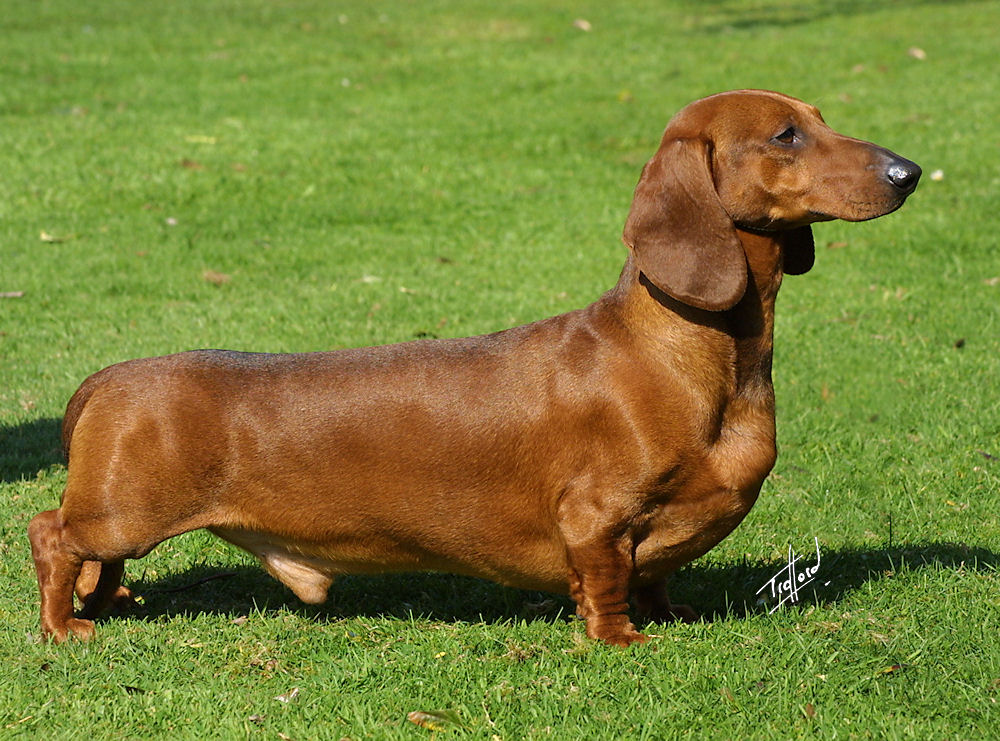
About the Dachshund (Miniature Wire-Haired)
The Dachshund, originated in Germany where it is also known as the Dackel or Teckel, was originally bred to hunt badgers and other prey. The Miniature variants were developed later to follow smaller quarry, such as rabbits, into their burrows. While they are small in stature, they retain the fearless and independent spirit of their ancestors. In the UK, the breed is categorised within the Hound group by the Kennel Club, valued for its tenacity and keen sense of smell.
The Wire-Haired variety is often described as the most extroverted and cheeky of the three Dachshund coat types. This temperament is frequently attributed to the influence of terrier blood introduced during the development of this specific coat style. They possess a thick, rough double coat and a characteristic beard and eyebrows, giving them a rugged, distinguished appearance that sets them apart from the smooth and long-haired varieties.
Despite being long-bodied and short-legged, they are surprisingly agile and active dogs. They are affectionate towards their families but can be somewhat aloof with strangers. Their alert nature makes them excellent watchdogs, as they are never slow to announce the arrival of a visitor. For those living in the UK, they are popular options for both rural and urban dwellers due to their manageable size and adaptable nature.
Quick Facts
- Kennel Club Group: Hound
- Size: Miniature (typically weighing between 4.5kg and 5kg)
- Life Expectancy: 12 to 16 years
- Coat Type: Dense, wire-like outer coat with a softer undercoat
- Appearance: Short-legged, long-bodied (often nicknamed the 'sausage dog') with a bearded face
- Exercise Needs: Around 30 to 60 minutes of daily activity
- Temperament: Bold, intelligent, independent, and sometimes stubborn
Training & Care Tips
Training a Miniature Wire-Haired Dachshund requires patience and consistency. These dogs were bred to work independently, meaning they can be headstrong. Forward-thinking owners should use positive reinforcement techniques, particularly food-based rewards, as this breed is highly food-motivated. Harsh methods will likely cause the dog to shut down or become defensive. Focus on socialisation from an early age to ensure they are comfortable around other dogs and people.
Regarding grooming, the wire coat is relatively low-shedding but does require specific maintenance. It should be brushed at least once or twice a week to prevent matting. To maintain the correct texture and look, the coat should be hand-stripped twice a year by a professional groomer. Unlike the smooth-haired variety, the wire coat provides a good layer of protection against the British weather, making them quite hardy during winter walks.
Exercise is vital for their physical and mental health, but it must be managed carefully. While they enjoy walking and sniffing in the undergrowth, their long spines are susceptible to injury. Owners should prevent them from leaping off high furniture or navigating steep stairs frequently. Mental stimulation is equally important; scent games and puzzle feeders are excellent ways to engage their hound instincts without overstraining their joints.
Puppy Tips
When looking for a Miniature Wire-Haired Dachshund puppy, it is essential to source from a Kennel Club Assured Breeder. This helps ensure that the parents have undergone the necessary health screenings and that the puppies have been raised in a safe and social environment. Ask the breeder about the temperament of the parents, as the wire-haired variety can be more 'terrier-like' and energetic than other Dachshunds.
Housetraining can be a challenge with this breed, often requiring more time and persistence than other small dogs. Establish a routine immediately, taking the puppy outside after every meal, nap, or play session. Because they have small bladders, consistency is key to avoiding accidents indoors. Crate training can be a helpful tool in this process, providing them with a secure space that encourages them to 'hold it' until they are outside.
Early socialisation is the cornerstone of a well-adjusted adult dog. Expose your puppy to various sounds, surfaces, and safe experiences. This is particularly important for Miniature Dachshunds, as they can sometimes develop a 'small dog' complex if they feel threatened by larger animals or loud environments. Ensuring they have positive encounters early on will result in a more confident and relaxed adult.
Health
Like many pedigree breeds, the Dachshund has specific health concerns that owners must be aware of. The most significant issue is Intervertebral Disc Disease (IVDD). Due to their elongated spines and short legs (chondrodystrophy), the discs in their back are under more stress than in other breeds. Maintaining a healthy weight is the most effective way to reduce the risk of IVDD, as excess body fat puts unnecessary strain on the spinal column.
Eye conditions are also a consideration. In the UK, breeders are encouraged to screen for Progressive Retinal Atrophy (PRA), a genetic condition that leads to blindness. Always ask to see the test results for both parents before committing to a puppy. Keeping up with regular veterinary check-ups and ensuring their dental hygiene is maintained through brushing or dental chews will help ensure a long and healthy life.
Weight management remains the most critical factor in their overall health. Miniature Dachshunds are experts at begging for treats, but even a small amount of weight gain can have serious consequences. Use a gram scale for meals and account for any treats given throughout the day. A slim Dachshund is a much healthier and happier one.
Advice for Owners
Owning a Miniature Wire-Haired Dachshund is a rewarding experience, but it comes with a long-term commitment. They are long-lived dogs, often reaching their mid-teens, so ensure you are prepared for the journey. Their loud bark and keenness to alert you to anything 'unusual' make them less suited for apartment life if you have very sensitive neighbours, though with the right training, this can be managed.
One of the best pieces of advice for new owners is to invest in ramps or stairs for the sofa and bed. Reducing the amount of jumping your dog does will significantly lower the risk of back injuries. Furthermore, keep them on a lead in unsecured areas; their hound instincts are strong, and if they catch a scent of a rabbit or squirrel, they may ignore your recall commands entirely.
Finally, involve yourself with the Dachshund community. There are many breed-specific clubs and walking groups across the UK. These communities provide a wealth of knowledge on grooming, health, and training specific to the wire-haired variety. Embracing their quirky personality and providing the structure they need will ensure your Miniature Wire-Haired Dachshund remains a beloved member of the household for many years to come.
---
Disclaimer
The information in this breed guide is compiled from multiple professional sources, including The Kennel Club, veterinary references, and breed-specific organisations. It is intended for general educational purposes only and is not a substitute for advice from a qualified veterinarian or accredited breeder. Always consult a professional regarding your individual dog's health, training, and care needs.