Mexican Hairless (Miniature) Breed Guide: Facts, Tips & Health
Discover the ancient and enigmatic Mexican Hairless (Miniature). Known as the Xoloitzcuintle, this loyal, clean, and unique companion is steeped in Aztec history.
By By PetNetUK ·
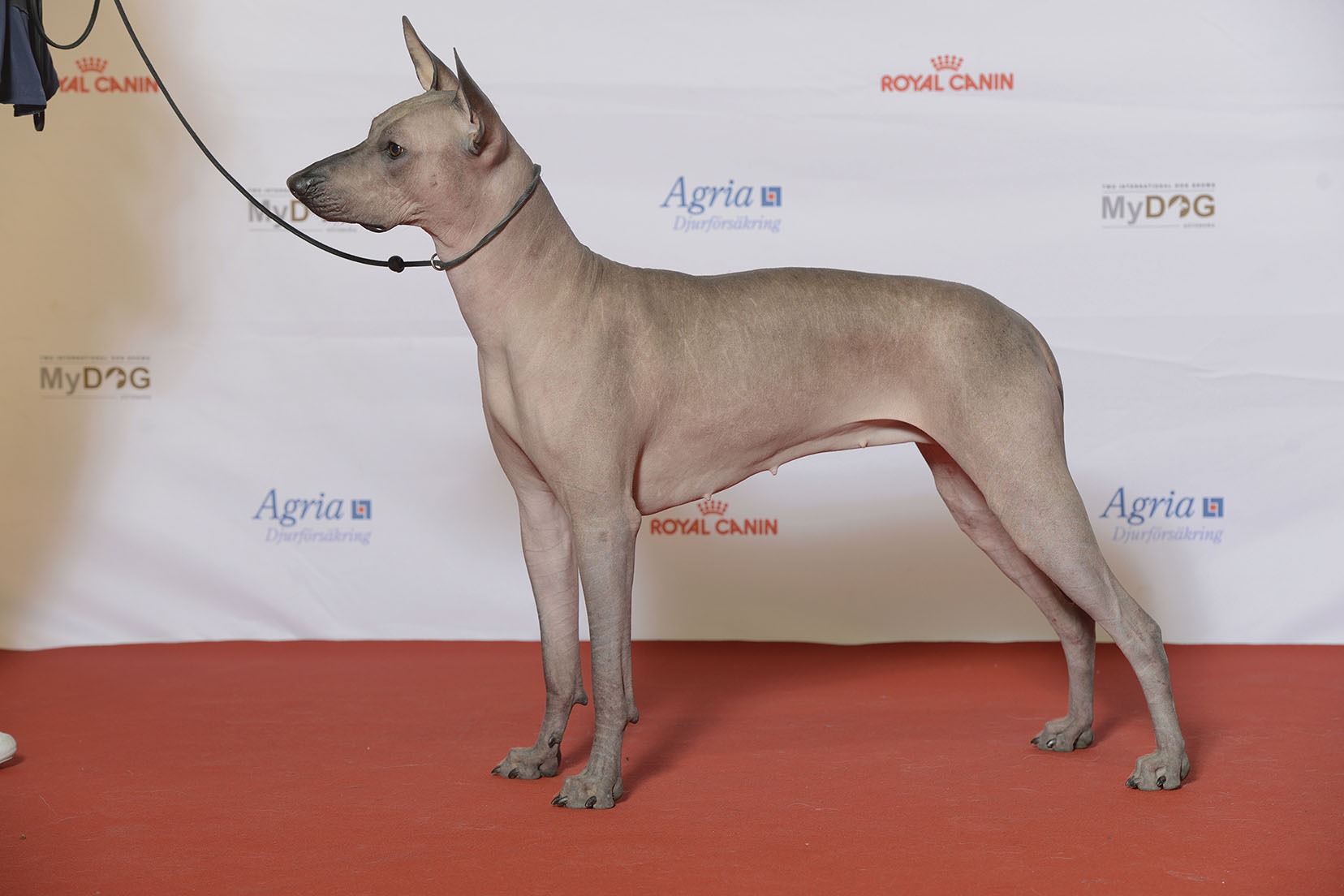
About the Mexican Hairless (Miniature)
The Mexican Hairless dog, or Xoloitzcuintle (pronounced 'show-low-eats-queen-tlee'), is one of the world's most ancient and distinctive breeds. Belonging to the Utility group under the Kennel Club classification, the Miniature variety offers a compact version of this fascinating animal. Its history is deeply rooted in Mesoamerican culture, where it was named after the Aztec god Xolotl. According to ancient narratives, the dog was created by the god of fire and lightning to guard the living and guide the souls of the dead through the underworld.
Physically, the breed is defined by its lean, elegant silhouette and its unique lack of coat. However, it is a common misconception that all Xolos are hairless. In any given litter, both hairless and coated varieties can be born due to the specific combination of genes. The hairless variant is often recognised by its smooth, tough skin and characteristic wrinkles, while the coated variety possesses a short, dense coat. Regardless of the coat type, they share the same soulful expression and graceful movement.
In the home, the Miniature Xolo is known for being a calm, observant, and intensely loyal companion. They are often described as 'velcro dogs' because they form exceptionally strong bonds with their primary caregivers. While they can be wary of strangers, they are rarely aggressive, preferring to observe from a distance until they feel comfortable. Their size and moderate energy levels make them excellent candidates for life in both city flats and countryside homes.
Quick Facts
* Name History: The name originates from the Nahuatl words 'Xolotl' (god of fire) and 'itzcuīntli' (dog).
* Kennel Club Group: Utility.
* Sizes: While found in Standard and Intermediate, the Miniature typically stands up to 35cm at the withers.
* Coat Varieties: Both hairless (perro pelón mexicano) and coated varieties exist.
* Dental Traits: The hairless gene is often linked to missing premolars, a common trait in the breed.
* Lifespan: Generally a long-lived breed, often reaching 12 to 15 years with proper care.
* Temperament: Attentive, calm, and highly protective of their family unit.
Training & Care Tips
Training a Miniature Xolo requires a gentle but firm hand. They are highly intelligent dogs that learn quickly, but they possess a sensitive nature. Harsh corrections or shouting will likely cause them to shut down. Positive reinforcement, using treats and praise, is the most effective way to build a rapport. Because they were historically used as watchdogs, they can be vocal; early training to manage barking at the door or passers-by is highly recommended.
Socialisation is paramount for this breed. Due to their natural reservation around strangers, they should be introduced to a wide range of people, sights, and sounds from a young age. This prevents their natural caution from turning into nervousness. They enjoy mental stimulation, so incorporating puzzle toys and scent games into their daily routine will keep their sharp minds occupied.
Care for the hairless variety is unique compared to most dogs. Without a coat to absorb skin oils, they require regular bathing with a mild, pH-balanced dog shampoo. It is a myth that they do not need grooming; their skin must be kept clean to prevent blocked pores and acne. In the UK climate, protection from the elements is essential. They will require a high-quality dog jumper or coat during the winter months and pet-safe sunblock during the summer to prevent sunburn on their exposed skin.
Puppy Tips
When looking for a Miniature Xolo puppy, it is vital to find a reputable breeder who understands the genetic complexities of the breed. Since hairless and coated puppies appear in the same litter, you should decide which variety best suits your lifestyle. While the hairless version is popular for allergy sufferers, those with severe allergies should still spend time with the breed first, as dander and saliva can still trigger reactions.
Puppies are naturally curious but can be quite timid initially. Establish a consistent routine from day one to help them feel secure. Because the hairless variety is prone to dental abnormalities (often missing teeth), start a dental hygiene routine early. Getting them used to having their mouth handled and their teeth brushed will save many complications in later life.
Ensure your home is 'Xolo-proofed'. As they are agile and athletic even as miniatures, they can often jump higher than you might expect. Secure your garden with tall fencing and ensure there are no sharp edges at dog-height, as the hairless skin can be more susceptible to scratches and nicks during boisterous play.
Health
The Xoloitzcuintle is generally considered a hardy and healthy breed, largely due to centuries of natural selection. However, owners should be aware of a few breed-specific considerations. The most notable is the link between the hairless gene and dental health. It is quite common for hairless individuals to have incomplete dentition, often missing premolars. While this rarely affects their ability to eat, regular veterinary check-ups are necessary to ensure the remaining teeth stay healthy.
Skin health is the other primary concern. Without fur to protect them, they are vulnerable to environmental irritants, extreme temperatures, and UV rays. Owners should look out for signs of blackheads or dry patches and consult their vet if the skin becomes inflamed. Providing a balanced diet rich in Omega fatty acids can help maintain skin elasticity and health from the inside out.
Like many smaller breeds, the Miniature variety can occasionally be prone to patellar luxation (displaced kneecaps). Keeping your dog at a healthy weight and ensuring they do not over-exert themselves on stairs or high jumps during their growth phase can help mitigate this risk.
Advice for Owners
Owning a Miniature Xolo is a unique experience that requires a commitment to skin maintenance and socialisation. They are not 'outdoor dogs' and must live inside with the family. Their sensitivity to cold means they will likely seek out the warmest spot in the house, often burrowing under blankets or snuggling closely with their owners for warmth.
For those in the UK, be prepared for a lot of attention during walks. The breed is still relatively rare on British streets, and its striking appearance often draws questions from curious members of the public. If you prefer a low-profile pet, this may not be the breed for you. However, if you want a loyal, quiet, and exceptionally clean companion that feels like a piece of living history, the Miniature Xolo is an excellent choice.
Finally, remember that despite their ancient origins, they thrive on modern companionship. They do not do well when left alone for long periods. If you work long hours away from home, you may need to consider a dog walker or daycare. A happy Xolo is one that is an integral part of the family's daily activities, providing quiet devotion and a calm presence in the home.
---
Disclaimer
The information in this breed guide is compiled from multiple professional sources, including The Kennel Club, veterinary references, and breed-specific organisations. It is intended for general educational purposes only and is not a substitute for advice from a qualified veterinarian or accredited breeder. Always consult a professional regarding your individual dog's health, training, and care needs.