What to Do If Your Dog Goes Missing: A UK Guide for Pet Owners
Losing a dog is one of the most distressing experiences a pet owner can face. Acting quickly, calmly, and using the right resources can make a crucial difference. This guide explains exactly what to do if your dog goes missing in the UK, from immediate search steps to using modern tools like drone search services.
By PetNetUK ·
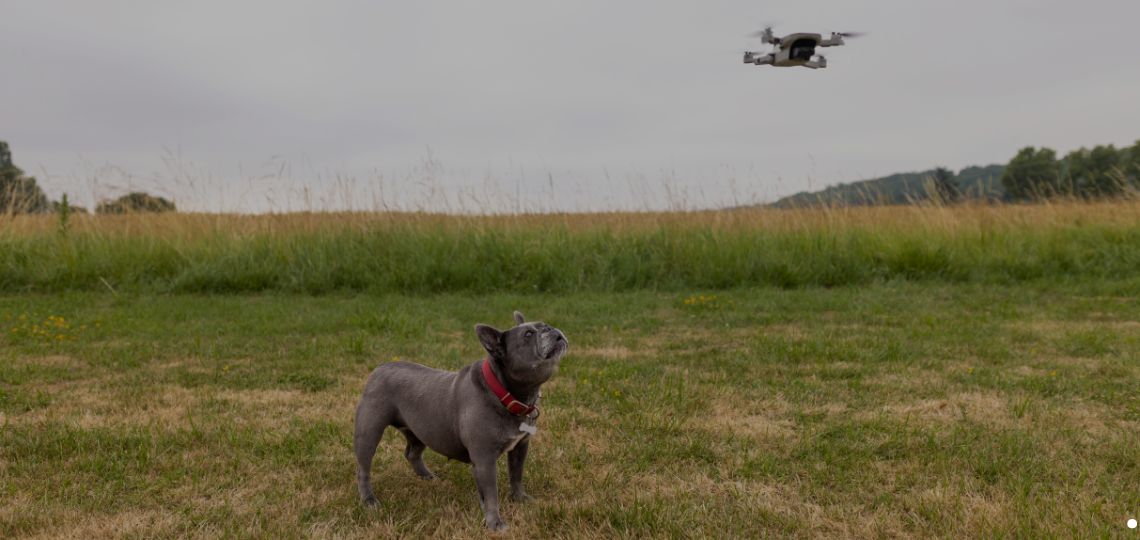
Realising your dog is missing can be overwhelming. Panic is a natural reaction, but taking organised, practical steps straight away significantly improves the chances of your dog being found and safely returned.
This guide walks you through what to do if your dog goes missing, using proven methods, community support, and modern technology to help bring your dog home.
1. Start Searching Immediately
As soon as you realise your dog is missing, begin searching straight away.
Search familiar areas first, such as nearby streets, parks, fields, and favourite walking routes
Call your dog’s name calmly and repeatedly
Use familiar sounds such as a treat bag, whistle, or squeaky toy
Check hiding spots like bushes, sheds, garages, gardens, and alleyways
Many dogs stay close to where they went missing, especially in the early hours.
2. Report Your Dog Missing
Microchip Database
If your dog is microchipped (a legal requirement in the UK), contact the microchip database immediately and report them missing. Ensure your contact details are fully up to date so you can be reached quickly.
Local Council Dog Warden
Contact your local council’s dog warden service. If your dog is found as a stray, this is often the first place they will be taken.
Vets and Rescue Centres
Call local veterinary practices, rescue centres, and animal shelters to report your dog missing. Provide a clear description and your contact details.
National Lost & Found Websites
Register your dog as missing on UK lost-pet platforms such as DogLost and Animal Search UK. These websites are widely used by volunteers, wardens, and the public.
3. Spread the Word Locally and Online
Posters and Flyers
Create clear posters with:
A recent photo
Your dog’s breed, colour, and size
Where and when they were last seen
A clear contact number
Place posters in vets, shops, parks, noticeboards, petrol stations, and on lamp posts in the local area.
Social Media and Facebook Dog Lost Groups
Social media is one of the most powerful tools for finding a missing dog.
Post in local community groups
Share in dedicated “Dog Lost” and missing pet Facebook groups for your town, county, and neighbouring areas
Ask people to share, not just comment or like
Update posts regularly with sightings or new information
Many lost dogs are found because someone recognised them from a Facebook group post, so wide and repeated sharing is essential.
4. Use Modern Tools and Technology
Alongside traditional search methods, technology can play a valuable role—especially if your dog has been missing for more than a few hours.
Thermal Drone Search Services
Specialist organisations such as Eye in the Sky Drones help locate missing dogs using thermal imaging drones and trail cameras. These drones can detect heat signatures, making them particularly useful in woodland, fields, rural areas, and difficult terrain where ground searches are challenging.
Eye in the Sky Drones operate in specific areas (including Dorset, Hampshire, Wiltshire, and surrounding regions). Even if they do not cover your location, their website contains a wealth of valuable information on lost-dog behaviour, search strategies, and planning tips that can help any owner.
🔗 Visit their website: https://www.eyeinskydrones.com/
This technology can be especially helpful when:
Your dog is fearful and hiding
Searches are taking place at night or early morning
Large areas need to be covered quickly
5. Keep Searching Systematically
If your dog is not found straight away, don’t give up.
Repeat searches at different times of day
Visit quieter areas early in the morning or late evening
Ask neighbours to check sheds, garages, gardens, and CCTV footage
Continue sharing and updating posts in Facebook dog lost groups
Dogs may move locations over time, so continued searching is essential.
6. If You Suspect Theft
If you believe your dog may have been stolen:
Report the incident to the police immediately
Inform your microchip database
Notify local vets, wardens, and rescue centres
Share details online clearly stating the dog may have been stolen
7. When Your Dog Is Found
Once your dog is home:
Check them carefully for injuries or signs of illness
Contact your vet if anything seems unusual
Update microchip databases and lost-pet websites
Remove posters and update social media posts
8. Preventing It Happening Again
While not all incidents can be prevented, you can reduce risk by:
Keeping microchip and ID tag details up to date
Checking fences, gates, and garden boundaries
Using secure leads and harnesses
Continuing recall training
Supervising outdoor time in unfamiliar environments
Final Thoughts
Losing a dog is heartbreaking, but acting quickly, staying organised, and using every available resource can dramatically improve the chances of a reunion. From posters and Facebook dog lost groups to specialist services like thermal drone searches, every action counts.
If your dog ever goes missing, remember: you are not alone, and help is available.