West Highland White Terrier Breed Guide: Facts, Tips & Health
Discover the feisty and affectionate West Highland White Terrier, a classic Scottish breed known for its distinctive white coat and loyal personality. Perfect for active UK households.
By By PetNetUK ·
About the West Highland White Terrier
The West Highland White Terrier, affectionately known as the 'Westie', is one of the most popular and recognisable members of the Kennel Club's Terrier group. Originating from the rugged landscapes of Scotland, this breed was historically developed for hunting vermin, fox, and badger. Despite its small to medium stature, the Westie possesses a sturdy, compact build and a surprising amount of stamina, making it a robust companion for both rural and urban environments.
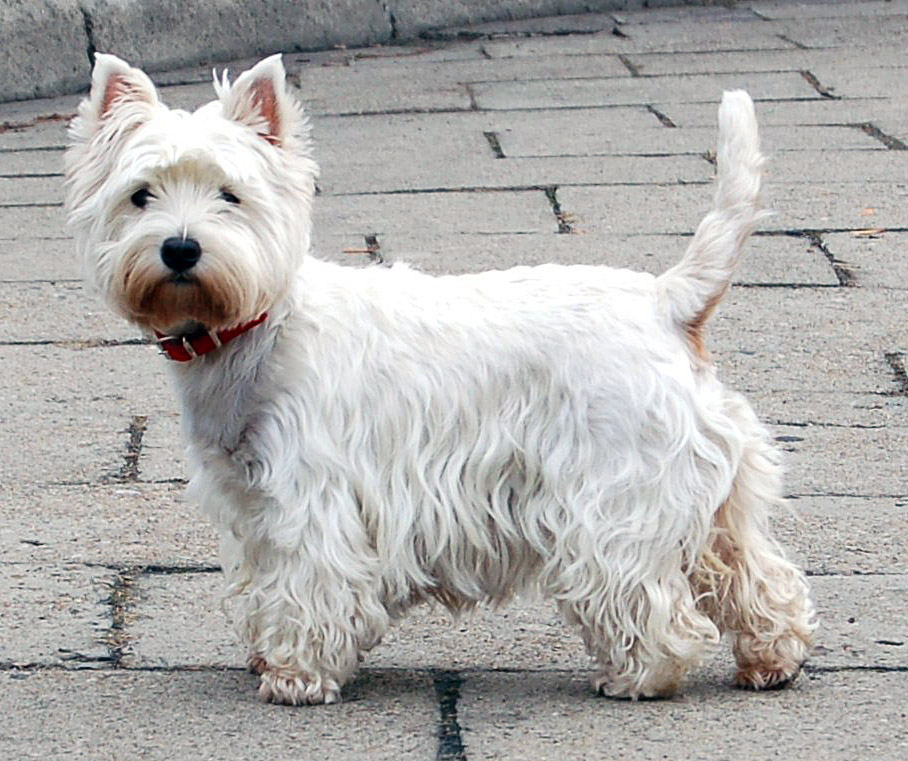
Physically, the Westie is distinguished by its crisp, white double coat, which consists of a harsh outer layer and a soft undercoat. Unlike some other Scottish terrier breeds, the Westie has slightly longer legs, providing a more balanced and athletic silhouette. The fur around its face is particularly dense, which, when trimmed correctly, gives the head a famously rounded appearance that frames its dark, piercing eyes and upright, pointed ears.
In terms of personality, these dogs are the embodiment of the terrier spirit: confident, social, and occasionally cheeky. They are highly devoted to their families and tend to get along well with people of all ages. However, while they are smaller in size, they are not typical 'lap dogs'. They retain a high prey drive and an inquisitive nature, always eager to investigate a new scent or chase a squirrel in the garden.
Quick Facts
- Kennel Club Group: Terrier
- Life Expectancy: 12 to 16 years
- Height: Approximately 25-30 cm at the withers
- Weight: 7-10 kg depending on sex and build
- Coat Type: Double coat; harsh outer hair with a soft, dense undercoat
- Colour: White is the only recognised colour
- Exercise Needs: Moderate to high; at least one hour of active walking daily
- Temperament: Alert, courageous, friendly, and independent
Training & Care Tips
Training a Westie requires patience and consistency. Because they were bred to work independently, they can sometimes be stubborn. It is essential to start positive reinforcement training early, using high-value treats and praise. Short, engaging sessions work best to keep their focus, as they can become easily distracted by movements or sounds. Recall training should be a priority, though owners should be aware that their instinct to chase often overrides commands in unsecure areas.
grooming is a significant part of Westie care. To maintain the health and colour of their white coat, regular brushing is required to prevent matting. Most owners opt for professional grooming every 8 to 12 weeks. For show dogs, 'hand-stripping' is the traditional method to remove dead hair, but for pets, a standard clip is usually sufficient. Regular ear cleaning and nail trimming are also necessary to prevent infections and discomfort.
Dietary management is important to keep this breed in peak condition. Westies can be prone to weight gain if overfed, particularly if they are not receiving enough daily exercise. A high-quality dog food tailored to small or medium breeds is recommended. Always ensure they have access to fresh water and monitor their treat intake, especially when using food as a training tool.
Puppy Tips
When bringing a West Highland White Terrier puppy home, socialisation is the most critical factor. Expose your puppy to various sights, sounds, and people during the first 16 weeks to ensure they grow into a well-adjusted adult. This helps to temper the barky nature of the breed, as they will be less likely to react fearfully to common household occurrences.
House training a Westie puppy usually goes smoothly if a strict routine is followed. Take them outside frequently—after naps, meals, and play sessions. Because they are clever dogs, they quickly learn what is expected of them, but consistency is key. Providing plenty of chew toys is also vital, as their powerful jaws can make quick work of furniture if they are bored or teething.
Lastly, ensure you purchase your puppy from a Kennel Club Assured Breeder. This ensures that the parents have been screened for hereditary conditions and that the puppies have been raised in a healthy, social environment. Ask to see the mother and, if possible, the father, to get a sense of the temperament your puppy might inherit.
Health
Westies are generally a healthy and long-lived breed, but there are several breed-specific conditions that prospective owners should be aware of. Atopic dermatitis is common, as Westies can have sensitive skin that reacts to environmental allergens or certain foods. Regular skin checks and a high-quality diet can help manage these issues.
Another condition associated with the breed is Westie Lung Disease (Idiopathic Pulmonary Fibrosis), which typically affects older dogs. This condition causes the lung tissue to scar and thicken, leading to a persistent cough and difficulty breathing. Early detection is important, so regular senior check-ups with a vet are recommended as the dog ages.
Orthopaedic issues such as Patellar Luxation (disclocating kneecap) and Legg-Calve-Perthes disease can also occur. Breeders often screen for these conditions before mating. Maintaining a lean weight and providing low-impact exercise during the growth phase of puppyhood can help support joint health throughout the dog's life.
Advice for Owners
Owning a Westie is a rewarding experience, but they are dogs that require active participation from their owners. They thrive in households where they are treated as part of the family and taken on daily adventures. If you enjoy walking and spending time outdoors, the Westie will be a perfect companion, happily trekking through the British countryside regardless of the weather.
Be prepared for their vocal nature. Westies are natural watchdogs and will bark to alert you to visitors or unusual activities. While this makes them excellent at guarding the home, it can become a nuisance if not managed. Teaching a 'quiet' command early on will save both your ears and your neighbours' patience.
Finally, remember that despite their cute, teddy-bear appearance, they have the heart of a hunter. They may not be the best fit for homes with small furry pets like hamsters or rabbits unless introduced very carefully under supervision. For those who want a loyal, spunky, and sturdy companion, the West Highland White Terrier is truly one of the finest breeds available in the UK today.
---
Disclaimer
The information in this breed guide is compiled from multiple professional sources, including The Kennel Club, veterinary references, and breed-specific organisations. It is intended for general educational purposes only and is not a substitute for advice from a qualified veterinarian or accredited breeder. Always consult a professional regarding your individual dog's health, training, and care needs.