Australian Terrier Breed Guide: Facts, Tips & Health
Discover the spirited Australian Terrier, a sturdy and affectionate companion that combines the grit of a working terrier with the loyalty of a dedicated family pet.
By By PetNetUK ·
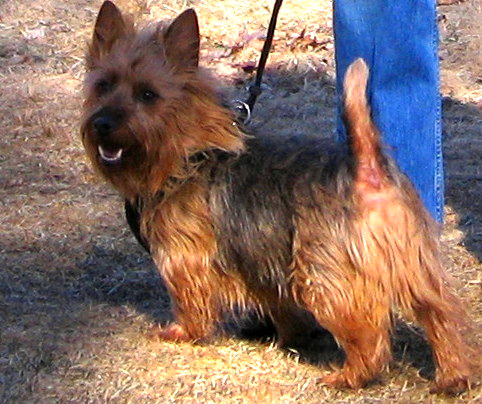
About the Australian Terrier
The Australian Terrier holds a unique place in canine history as the first breed to be officially recognised and shown in Australia. While they were developed in the Southern Hemisphere, their ancestry is deeply rooted in Great Britain. Settlers brought various British terrier types, including the ancestors of the Yorkshire Terrier, Skye Terrier, and Dandie Dinmont, to help manage pests on rugged outback stations. Through careful breeding, a dog emerged that was tough enough to handle snakes and vermin, yet companionable enough to live inside the family home.
Physically, the "Aussie" is a small but robust dog with a distinctive rough-textured double coat and a characteristic ruff around the neck. They are longer than they are tall, giving them a sturdy profile that belies their agility. Unlike many other terriers that can be somewhat independent or aloof, the Australian Terrier is known for being particularly people-oriented. They thrive on human companionship and are often described as having a 'human-like' quality in the way they observe and interact with their owners.
In a modern UK household, the Australian Terrier makes a versatile and adaptable pet. They are equally at home on a long hike in the countryside as they are curled up in a city flat, provided their exercise needs are met. Their spirited nature means they are always ready for an adventure, but they possess a sensible temperament that makes them slightly more manageable than some of the more high-strung terrier breeds.
Quick Facts
* Kennel Club Group: Terrier
* Origin: Australia (from British ancestry)
* Size: Small
* Lifespan: 12–15 years
* Coat Type: Harsh, wiry outer coat with a soft undercoat
* Temperament: Spirited, alert, courageous, and affectionate
* Height: Approximately 25cm at the withers
* Weight: Roughly 6.5kg to 7.5kg
Training & Care Tips
Training an Australian Terrier requires a firm but fair hand. They are highly intelligent and quick to learn, but like most terriers, they possess an independent streak that can lead to stubbornness if they become bored. Short, engaging training sessions using positive reinforcement and treats are far more effective than repetitive drills. Socialisation is particularly important; introducing your Aussie to different people, dogs, and environments early on will help curb any natural tendency towards being over-protective or overly vocal.
Exercise requirements are moderate but essential. A daily walk of at least 45 to 60 minutes, supplemented by play sessions, will keep them physically fit and mentally stimulated. They have a high prey drive, so it is vital to keep them on a lead in unenclosed public spaces or areas where livestock and wildlife are present. Their keen sense of smell and instinct to hunt mean they are easily distracted by a passing squirrel or rabbit.
Grooming is relatively straightforward compared to other long-haired breeds. Their shaggy coat is designed to be weather-resistant and naturally sheds very little. A thorough brushing twice a week will remove loose hair and prevent matting. To maintain the correct texture of the coat, professional hand-stripping is recommended every few months rather than clipping, as clipping can soften the hair and dull the colour. Pay particular attention to the hair around the eyes and ears to keep them clean and free from irritation.
Puppy Tips
When bringing an Australian Terrier puppy home, it is important to remember that they are remarkably brave for their size. This 'big dog in a small body' attitude can sometimes lead them into trouble. Ensure your garden is securely fenced, as they are notorious diggers and can easily find a way under a loose fence. Providing a designated digging pit or sandpit can help redirect this natural instinct away from your flower beds.
Early crate training can be an excellent way to help with house-training and provide your puppy with a safe haven. Puppies should be introduced to grooming routines immediately so they become accustomed to having their paws, ears, and coats handled. This breed is particularly sensitive to their owner's moods, so maintaining a calm and consistent routine will help your puppy feel secure and settle into their new environment more quickly.
Health
The Australian Terrier is generally a hardy and healthy breed with a long lifespan. However, like all purebred dogs, they can be predisposed to certain hereditary conditions. Responsible breeders will screen their breeding stock for common issues to ensure the healthiest possible litters. Potential owners should enquire about the health history of the parents and any testing performed.
Common areas of focus for the breed include luxating patella (where the kneecap slips out of place) and certain eye conditions. There is also a slight predisposition to diabetes and skin allergies in some lines. Maintaining a lean body weight through proper diet and exercise is one of the most effective ways to prevent joint issues and metabolic diseases. Regular veterinary check-ups and staying up to date with vaccinations and parasite control are foundational to a long, healthy life.
Advice for Owners
If you are looking for a loyal, plucky, and intelligent companion, the Australian Terrier is an excellent choice. They are particularly well-suited to active individuals or families who can involve the dog in their daily activities. Because they form such strong bonds with their owners, they do not like being left alone for long periods and may develop separation anxiety or destructive behaviours if neglected.
Prospective owners should be prepared for the 'terrier personality.' This includes a tendency to bark at doorbells and a desire to be the 'boss' of the household. Setting clear boundaries from day one is essential. While they get on well with children who treat them with respect, they may be less tolerant of rough handling than larger breeds. For the right owner, the Australian Terrier offers a perfect blend of a rugged outdoor companion and a devoted, lap-loving friend.
---
Disclaimer
The information in this breed guide is compiled from multiple professional sources, including The Kennel Club, veterinary references, and breed-specific organisations. It is intended for general educational purposes only and is not a substitute for advice from a qualified veterinarian or accredited breeder. Always consult a professional regarding your individual dog's health, training, and care needs.