Pharaoh Hound Breed Guide: Facts, Tips & Health
Discover the elegant Pharaoh Hound, Malta's national dog. From its ancient rabbit-hunting roots to its unique 'blushing' ability, learn if this athletic hound is the right fit for your home.
By By PetNetUK ·
About the Pharaoh Hound
The Pharaoh Hound is a breed of striking elegance and ancient lineage. Known in its native Malta as the Kelb tal-Fenek, which translates to "rabbit dog", this breed was traditionally used for hunting rabbits across the rugged, rocky terrain of the Maltese islands. Despite its name and regal appearance, which often leads people to associate it with ancient Egyptian royalty, the Pharaoh Hound's historical development is firmly rooted in the Mediterranean landscape, where it has functioned as a versatile warren hound for centuries.
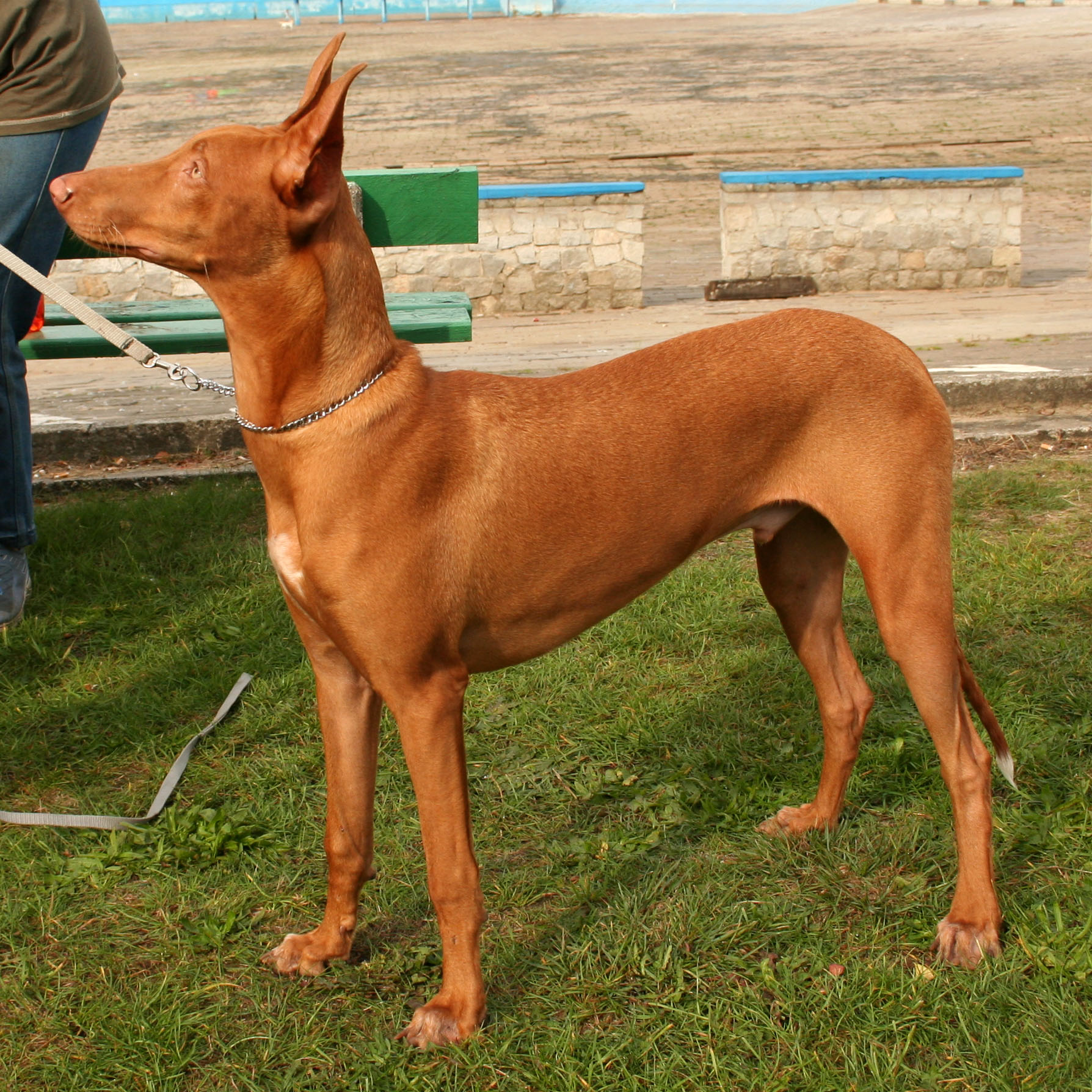
Characterised by its lean, athletic build and distinctive large, upright ears, the Pharaoh Hound is a sighthound that also possesses an acute sense of smell. One of its most endearing and unique traits is its ability to "blush". When excited or happy, the Pharaoh Hound’s nose and ears can turn a deep shade of rose, a charming quirk not seen in many other breeds. They are known for being exceptionally graceful in movement, covering ground with a powerful yet effortless gait.
In a domestic setting, the Pharaoh Hound is often described as a "shadow dog". They are deeply loyal to their families and tend to be quite affectionate, though they may remain somewhat aloof with strangers. While they are calm and relaxed indoors, provided they have had sufficient exercise, their high prey drive remains a core part of their temperament. Owners will find them to be intelligent and playful companions who thrive on being part of the family circle.
Quick Facts
* Kennel Club Group: Hound
* Origin: Malta
* Weight: 18kg to 27kg (depending on gender)
* Height: 53cm to 64cm at the shoulder
* Lifespan: 12 to 14 years
* Coat: Short, glossy, and low-maintenance, ranging from tan to deep chestnut typically with white markings on the tail tip, toes, and chest.
* Temperament: Independent, intelligent, friendly, and energetic.
* Distinctive Feature: The ability to "blush" when excited.
Training & Care Tips
Training a Pharaoh Hound requires a patient and positive approach. As independent thinkers, they do not respond well to harsh corrections or repetitive, boring drills. They are highly intelligent and capable of learning quickly, but they will often ask "what is in it for me?" Use high-value treats and praise to keep them engaged. Because of their hunting background, recall can be a significant challenge; once they spot a squirrel or a rabbit, their instinct to chase often overrides any command. It is generally safer to keep them on a lead in non-enclosed areas.
Exercise is paramount for this breed. They are not suited to sedentary lifestyles and require at least an hour to ninety minutes of vigorous activity daily. This should ideally include a mix of brisk walking and the opportunity to run at full speed in a securely fenced area. Mental stimulation is equally important; puzzle toys and scent games can help satisfy their natural investigative instincts and prevent boredom-related behaviours such as chewing or digging.
Grooming is remarkably straightforward due to their short, fine coat. A weekly brush with a rubber mitt or soft bristle brush is usually enough to remove loose hair and keep the coat gleaming. They are naturally clean dogs with very little "doggy" odour. It is worth noting that because they have very little body fat and a thin coat, they feel the cold acutely. In the British winter, a warm hound coat is an essential accessory for outdoor walks.
Puppy Tips
When bringing a Pharaoh Hound puppy into your home, early socialisation is the most critical step. Introduce them to a wide variety of people, environments, sounds, and other dogs during their first few months. This helps to ensure that their natural reserve towards strangers does not develop into nervousness or timidity as they mature. Always source your puppy from a reputable breeder who prioritises temperament and health over aesthetic alone.
House training should begin immediately. Pharaoh Hounds are naturally clean animals and generally pick up house-breaking quickly, provided you maintain a consistent schedule. Puppies are also notorious for their "zoomies"—sudden bursts of frantic energy—so ensure they have a safe, carpeted area where they can play without slipping and injuring their developing joints.
Be prepared for their jumping ability. Even as youngsters, Pharaoh Hounds are incredibly agile and can clear surprisingly high obstacles. If you have a garden, ensure your fencing is at least six feet high. Avoid high-impact exercise, such as long-distance running or jumping competition heights, until your puppy's growth plates have fully closed, usually around 12 to 18 months of age.
Health
The Pharaoh Hound is generally considered a very healthy and robust breed, largely due to its history as a working dog in harsh terrain. Unlike many modern breeds, they have not been over-bred for extreme physical traits, which has helped them avoid many common genetic pitfalls. However, like all dogs, there are certain conditions that owners should be aware of.
They can be sensitive to certain types of anaesthesia and medications, a trait common among sighthounds. Always ensure your vet is familiar with the specific requirements of sighthounds if your dog needs a procedure. Occasional instances of hip dysplasia and patellar luxation have been recorded, though these are relatively rare in the UK population. Regular vet check-ups and maintaining a healthy weight are the best ways to ensure your hound remains in peak condition.
Skin allergies can occasionally occur, often triggered by environmental factors or specific ingredients in food. Additionally, because of their large, upright ears, it is important to check them regularly for debris or signs of infection, especially after walks in the countryside. Keeping their teeth clean with regular brushing will also prevent periodontal disease, which can affect overall health in their senior years.
Advice for Owners
Owning a Pharaoh Hound is a rewarding experience, but it requires a commitment to their specific needs. These are sensitive dogs that thrive on companionship; they do not do well if left alone for long periods during the day. Separation anxiety can become an issue if they are isolated, so they are best suited to households where someone is home most of the time or where they can accompany their owners.
Prospective owners must respect the prey drive of the Kelb tal-Fenek. While they can often live harmoniously with cats if raised with them from a young age, they should never be trusted around small furries like rabbits or guinea pigs. Outside the home, the impulse to hunt is very strong, and no amount of training can guaranteed that a Pharaoh Hound won't bolt after a scent.
If you can provide a high-fenced garden, plenty of daily exercise, and a soft sofa for them to lounge on in the evenings, the Pharaoh Hound will be a loyal, entertaining, and noble addition to your life. They provide a unique blend of ancient history and modern companionship that few other breeds can match. For those who appreciate the beauty of a hound and the quirkiness of a blushing companion, the Pharaoh Hound is truly second to none.
---
Disclaimer
The information in this breed guide is compiled from multiple professional sources, including The Kennel Club, veterinary references, and breed-specific organisations. It is intended for general educational purposes only and is not a substitute for advice from a qualified veterinarian or accredited breeder. Always consult a professional regarding your individual dog's health, training, and care needs.