Scottish Terrier Breed Guide: Facts, Tips & Health
Discover the 'Diehard' of the terrier world. From their rugged highland history to their iconic profile, learn why the Scottish Terrier remains a beloved British companion.
By By PetNetUK ·
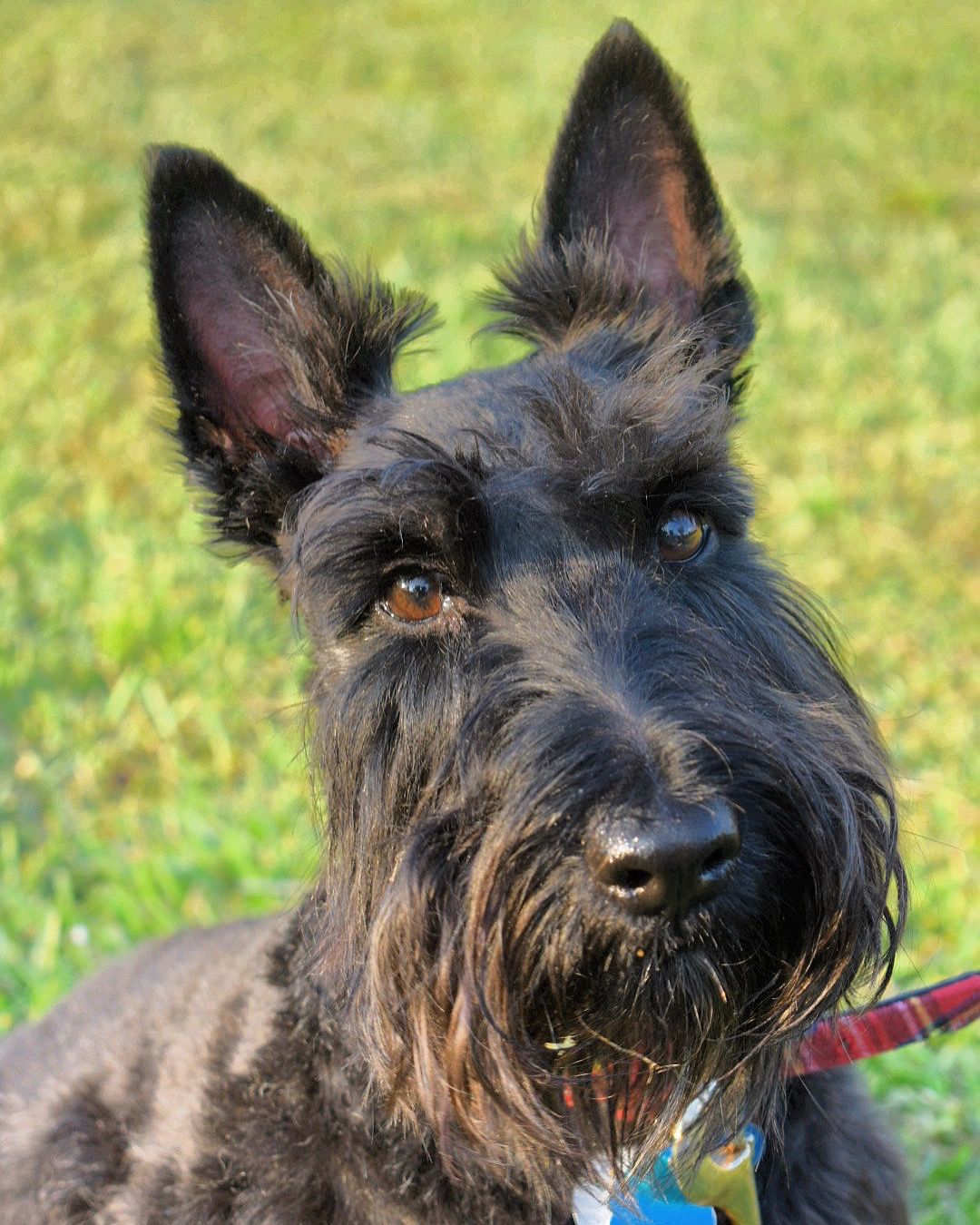
About the Scottish Terrier
The Scottish Terrier, affectionately known as the Scottie, is perhaps the most iconic of all the highland breeds. Originally grouped under the broad classification of 'Skye Terriers', the Scottie is one of five distinct breeds hailing from Scotland, alongside the modern Skye, Cairn, Dandie Dinmont, and West Highland White terriers. These dogs were bred for a specific, demanding purpose: hunting vermin, foxes, and badgers across the rugged Scottish landscape.
Characterised by their short legs, sturdy build, and distinctive 'beard', they possess an air of dignity and serious determination. This temperament earned them the nickname "the diehard" from the first Earl of Dumbarton, who was so impressed by their bravery that he named his regiment, The Royal Scots, after them. To this day, the breed retains that legendary pluck and independent spirit.
While they are synonymous with the image of a black dog, Scotties also come in wheaten and brindle shades. They are compact yet powerful, often described as a 'big dog in a small package'. They are loyal to their families but can be somewhat aloof with strangers, maintaining a watchful eye over their household. This makes them excellent companions for those who appreciate a dog with a strong personality.
Quick Facts
* Kennel Club Group: Terrier
* Original Purpose: Vermin hunter (fox, badger and rats)
* Lifespan: 12-15 years
* Weight: 8.5kg to 10.5kg
* Coat Type: Double coat with a wiry outer layer and soft, dense undercoat
* Colours: Black, Wheaten, or Brindle
* Temperament: Independent, courageous, and alert
* Exercise Needs: Moderate (around an hour daily)
Training & Care Tips
Training a Scottish Terrier requires patience and a firm but fair hand. Due to their history as independent hunters, they are naturally inclined to make their own decisions. They do not respond well to harsh corrections; instead, positive reinforcement using treats and praise is essential. Sessions should be kept short and varied to prevent the dog from becoming bored or stubborn.
Socialisation is a critical part of a Scottie's upbringing. They have a high prey drive, meaning they may be inclined to chase smaller pets or local wildlife. Early exposure to different people, dogs, and environments will help them develop into well-adjusted adults. While they are not known for being overly vocal, they will certainly alert you to anyone approaching the front door.
In terms of grooming, the Scottie's wiry coat requires regular maintenance. To maintain the classic breed profile, they should be professionally groomed every 8-12 weeks, which involves 'stripping' the coat for show dogs or clipping for pets. Brushing at home several times a week is necessary to prevent mats from forming in their soft undercoat and to keep their facial hair clean after meals.
Puppy Tips
When bringing a Scottish Terrier puppy home, it is vital to secure your garden with robust fencing. Their natural instinct to dig and hunt means they can easily find a way out if they spot a squirrel or a fox. Ensure the fencing is dug into the ground slightly, as those powerful paws are designed for excavating burrows.
During the first few months, focus on 'gentle handling' exercises. Because Scotties will require regular professional grooming throughout their lives, puppies should be accustomed to having their ears, paws, and beard touched from an early age. This prevents grooming sessions from becoming a struggle as they grow stronger.
Feed your puppy a high-quality diet formulated for small breeds to support their growth without putting too much strain on their joints. As a breed prone to certain genetic conditions, ensure you have seen the health certificates of the parents. Responsible breeders will be happy to show results for Von Willebrand's disease and other relevant screenings.
Health
Generally, the Scottish Terrier is a rugged and healthy breed, but they are genetically predisposed to certain conditions. One of the most well-known is 'Scottie Cramp', an inherited condition that causes temporary muscle spasms and affects the dog's movement, usually when they are excited or over-exercised. While it looks alarming, it is not typically painful and can often be managed with lifestyle adjustments.
Another condition to be aware of is Von Willebrand's Disease (vWD), a blood clotting disorder. Many responsible breeders now test their breeding stock to ensure this is not passed down. Scotties are also notably more prone to certain types of bladder cancer compared to other breeds. Keeping them away from certain lawn chemicals and ensuring regular vet check-ups can help with early detection and management.
Joint health is also important, particularly as they have a long back and short legs. Avoid allowing your Scottie to jump from great heights or navigate steep stairs frequently, as this can lead to back injuries over time. Regular, moderate exercise will keep their weight in check, which is crucial for reducing stress on their frame.
Advice for Owners
Living with a Scottish Terrier is a rewarding experience, but owners must respect their independent nature. They are not 'lap dogs' in the traditional sense; they prefer to sit nearby rather than on top of you. They are devoted to their inner circle but will always maintain a level of dignity that sets them apart from more boisterous breeds.
If you have a garden, be prepared for a bit of digging. This is a hardwired trait, and many owners find success by providing a designated 'digging pit' where the dog is allowed to indulge their instincts. This saves your flower beds while keeping the dog mentally stimulated.
Finally, the Scottie's bravery should never be underestimated. They rarely start a fight, but they are unlikely to back down if challenged. When walking in public spaces, it is usually safest to keep your Scottie on a lead, especially if their recall isn't perfected, as their 'diehard' hunting instinct can easily override your commands if they spot a target.
---
Disclaimer
The information in this breed guide is compiled from multiple professional sources, including The Kennel Club, veterinary references, and breed-specific organisations. It is intended for general educational purposes only and is not a substitute for advice from a qualified veterinarian or accredited breeder. Always consult a professional regarding your individual dog's health, training, and care needs.