Norwich Terrier Breed Guide: Facts, Tips & Health
Discover the delightful Norwich Terrier, one of Britain’s smallest but most spirited working breeds. This guide covers everything from their hunting history to modern care requirements.
By By PetNetUK ·
About the Norwich Terrier
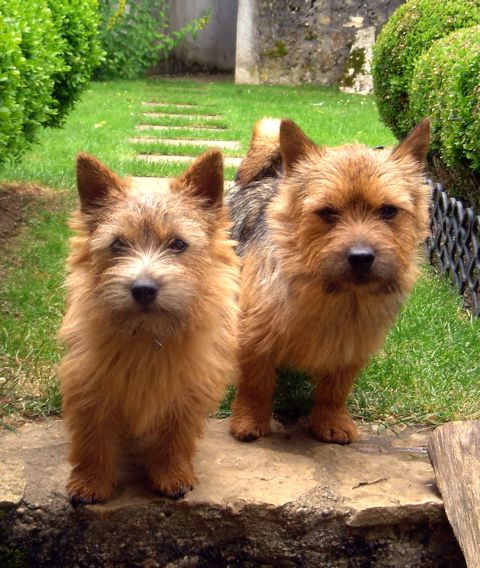
The Norwich Terrier holds a special place in the hearts of British dog lovers as one of the smallest members of the Terrier group. Originating in East Anglia, these dogs were historically bred to serve as brave 'ratters', hunting small rodents around stables and farmyards. Their diminutive size allowed them to pursue prey into tight spaces, while their hardy nature meant they could withstand the unpredictable English weather.
Physically, the Norwich is often confused with its close cousin, the Norfolk Terrier. The primary distinction lies in the ears: the Norwich Terrier features pricked, pointed ears that stand alert, whereas the Norfolk Terrier has drop ears. Despite their small stature, they are incredibly sturdy and possess a 'big dog' personality, often unaware of their own small scale. They are known for being one of the most companionable terriers, generally displaying a less quarrelsome nature than some of their cousins.
Today, the Norwich Terrier remains a relatively rare breed. While they transition perfectly into domestic life, they retain their keen hunting instincts and boundless energy. They are well-suited to active households where they can participate in daily adventures, offering loyalty and spirited companionship to those lucky enough to share a home with one.
Quick Facts
* Kennel Club Group: Terrier
* Size: Small; typically weighing between 5kg and 5.5kg.
* Height: Ideally 25cm at the withers.
* Lifespan: 12 to 15 years on average.
* Coat: Hard, wiry, and straight; lying close to the body with a definite undercoat.
* Colours: All shades of red, wheaten, black and tan, or grizzle.
* Temperament: Affectionate, plucky, and alert, though notably less aggressive than other terrier breeds.
* Exercise needs: Moderate to high; they require a good daily walk and plenty of mental stimulation.
Training & Care Tips
Training a Norwich Terrier requires a balance of firmness and positivity. Because they were bred for independent hunting, they can occasionally display a stubborn streak. However, they are highly intelligent and eager to please those they have formed a bond with. Use reward-based training methods with plenty of praise or healthy treats to keep them engaged. Early socialisation is vital to ensure they remain confident and well-adjusted around other dogs and people.
In terms of grooming, the Norwich Terrier has a 'wash and wear' coat that is relatively easy to maintain but requires regular attention to look its best. Weekly brushing will help remove loose hair and prevent matting. To maintain the correct wiry texture of the coat and its weather-resistant properties, 'hand-stripping' is recommended twice a year. This involves pulling out dead hairs by hand rather than using clippers, which can cause the coat to become soft and lose its characteristic sheen.
Exercise is essential for this breed to prevent boredom and weight gain. Despite their small legs, they are capable of surprisingly long walks and enjoy exploring new environments. A secure garden is a must, as their high prey drive means they will likely follow a scent or a squirrel through any available gap in a fence. Keep them on a lead when walking in open areas near roads or livestock.
Puppy Tips
Bringing a Norwich Terrier puppy home is a significant commitment. Due to their rarity, you may find yourself on a waiting list for several months. It is essential to source a puppy from a reputable breeder who prioritises health and temperament. A good breeder will be happy to show you the mother and provide documentation for any relevant health screenings.
In the first few weeks, focus on gentle socialisation. Introduce your puppy to various household sounds, different surfaces, and a range of people. Because they are natural hunters, early exposure to other household pets, such as cats, is crucial if you want them to live together harmoniously. However, caution should always be exercised with smaller 'prey-like' pets such as hamsters or guinea pigs.
House training typically goes smoothly with this breed, provided you are consistent. Their small bladders mean frequent trips outside, especially after eating, sleeping, or playing. Crate training can also be a helpful tool for providing a safe space for your puppy to rest and helping with the overnight routine.
Health
While the Norwich Terrier is generally a robust and healthy breed, there are certain conditions that prospective owners should be aware of. Like many small breeds, they can be prone to dental issues if their teeth are not kept clean. Regular brushing and the provision of appropriate chew toys can help maintain oral health and prevent the buildup of tartar.
One specific concern noted in the breed is Upper Airway Syndrome (UAS), which can affect their breathing. It is important to monitor your dog for any signs of respiratory distress, particularly in hot weather or during heavy exercise. Patellar luxation, where the kneecap slips out of place, is another condition occasionally seen in small terriers, so ensuring your dog maintains a healthy weight is vital to reduce pressure on their joints.
Ensuring your Norwich Terrier receives annual veterinary check-ups and stays up to date with vaccinations and parasite treatments will go a long way in ensuring a long and happy life. Always consult your vet if you notice changes in their appetite, energy levels, or behaviour.
Advice for Owners
Living with a Norwich Terrier is a rewarding experience, but it requires an understanding of their terrier heritage. They are not 'lap dogs' in the traditional sense; while they love affection, they are active participants in life and like to be where the action is. They are particularly well-suited to owners who enjoy walking and spending time outdoors.
Potential owners should be prepared for a dog that likes to use its voice. While they are not known for being nuisance barkers, they will certainly alert you to anyone approaching the front door. This makes them excellent little watchdogs, though it is worth managing this behaviour early on so it doesn't become excessive in urban environments.
Lastly, remember that despite their rarity and small size, these are tough, resilient dogs. They thrive on companionship and do not like being left alone for long periods. If you work long hours away from home, you may need to consider a dog walker or day care. For those who can provide the time and engagement they crave, the Norwich Terrier is a loyal, entertaining, and quintessentially British companion.
---
Disclaimer
The information in this breed guide is compiled from multiple professional sources, including The Kennel Club, veterinary references, and breed-specific organisations. It is intended for general educational purposes only and is not a substitute for advice from a qualified veterinarian or accredited breeder. Always consult a professional regarding your individual dog's health, training, and care needs.