Dalmatian Breed Guide: Facts, Tips & Health
Recognisable for its iconic spotted coat and athletic grace, the Dalmatian is an energetic and historical breed. Learn everything you need to know about owning this striking Utility dog.
By By PetNetUK ·
About the Dalmatian
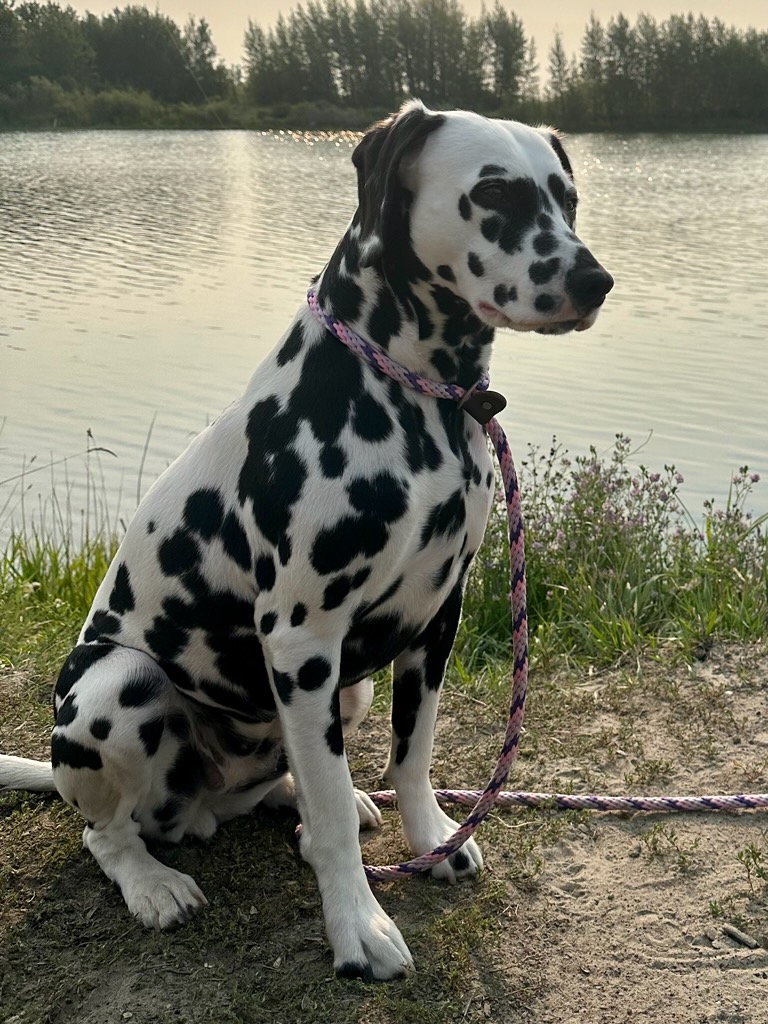
The Dalmatian is perhaps one of the most instantly recognisable breeds in the world, renowned for its sleek white coat adorned with distinct dark spots. Historically, these dogs are rooted in the region of Dalmatia in modern-day Croatia. While their exact ancestry is debated, many experts believe they are descended from early Pointers and potentially spotted Great Danes. This blend of heritage resulted in a dog that is both fast and remarkably hardy.
Throughout history, the Dalmatian has held varied roles, most famously serving as a carriage dog. During the era of horse-drawn transport, these dogs were trained to run alongside carriages to protect the horses and passengers from highwaymen or stray dogs. This unique background explains their incredible stamina and affinity for horses. Their association with firehouses also began here, as they would lead horse-drawn fire engines through busy streets, clearing a path for the firefighters.
In the modern era, the Dalmatian has transitioned from a working dog to a beloved companion and a staple of the show ring. Classified within the Utility group by the UK Kennel Club, they are prized for their intelligence and versatile nature. They are dogs that thrive on human company and are best suited to active households where they can be part of everyday activities.
Quick Facts
- Kennel Club Group: Utility
- Size: Large (typically 56-61cm tall)
- Weight: 23kg - 32kg
- Lifespan: 10-13 years
- Coat: Short, dense, and hard; white with black or liver spots
- Exercise Needs: High (minimum 2 hours daily)
- Temperament: Outgoing, intelligent, and energetic
Training & Care Tips
Training a Dalmatian requires patience, consistency, and a positive approach. Because they were bred to run for miles, they possess high energy levels and a degree of independence. Early socialisation is essential to ensure they grow into well-adjusted adults. They respond best to reward-based training; harsh methods are often counter-productive as this breed can be quite sensitive.
Mental stimulation is just as important as physical exercise. Without a job to do or puzzles to solve, a Dalmatian may become bored, which can lead to destructive behaviours in the home. Activities like agility, flyball, or advanced obedience training are excellent ways to keep their sharp minds occupied while burning off excess steam.
In terms of grooming, their short coat is relatively low maintenance, requiring only a weekly brush to remove loose hairs. However, owners should be aware that Dalmatians are notorious shedders. Their stiff, needle-like hairs can easily weave into carpets and upholstery. Regular vacuuming and the use of a rubber grooming mitt will help manage the shedding, though it is a year-round reality for this breed.
Puppy Tips
When bringing a Dalmatian puppy home, the first few months are critical for setting boundaries. Because they grow into large, powerful dogs, teaching loose-lead walking and reliable recall from an early age is vital. Puppies are naturally bouncy and may jump up to greet visitors, so training them to keep four paws on the floor should be a priority.
Socialisation should involve exposing your puppy to various environments, sounds, and people. Since they can be naturally wary of strangers if not properly socialised, positive encounters during the first sixteen weeks are key. Ensure they meet other dogs in a controlled manner to build their confidence.
Diet is also a specific consideration for Dalmatian puppies. Unlike other breeds, Dalmatians have a unique uric acid metabolism. It is generally recommended to avoid foods excessively high in purines (such as organ meats like kidney or liver). Always consult with your breeder or a veterinarian to select a high-quality puppy food specifically formulated to support their unique nutritional needs.
Health
Dalmatians are generally a healthy and robust breed, but there are certain genetic conditions that potential owners should be aware of. The most notable is their predisposition to urinary stones. Due to the aforementioned unique metabolism, they excrete uric acid rather than urea. Owners must ensure their dog has constant access to fresh water and frequent opportunities to urinate to help flush the system.
Congenital deafness is another known issue within the breed. Reputable breeders will have their puppies BAER (Brainstem Auditory Evoked Response) tested at around six weeks of age. A puppy can be bilaterally hearing (both ears), unilaterally hearing (one ear), or deaf. Most breeders will provide certificates to prove the hearing status of their litter.
Like many larger breeds, they can also be prone to hip dysplasia and certain skin allergies. Maintaining a healthy weight is crucial to avoid putting unnecessary strain on their joints. Regular check-ups with a vet and staying up to date with vaccinations and parasite treatments will help your Dalmatian lead a long and healthy life.
Advice for Owners
Owning a Dalmatian is a significant commitment that brings immense rewards for the right family. They are not suited to sedentary lifestyles or small flats without easy access to large open spaces. A Dalmatian is the ideal partner for a keen runner or hiker, as they will happily trot alongside you for miles without tiring.
Potential owners should consider the time they can realistically dedicate to companionship. Dalmatians are known to suffer from separation anxiety if left alone for extended periods. They prefer to be in the thick of family life and are often referred to as 'velcro dogs' because of their desire to stay close to their owners.
Finally, remember that the Dalmatian's striking looks often attract attention in public. Be prepared for strangers to stop and ask about your dog. If you can provide the structure, exercise, and affection they crave, the Dalmatian will be a loyal, entertaining, and deeply devoted member of your household for many years.
---
Disclaimer
The information in this breed guide is compiled from multiple professional sources, including The Kennel Club, veterinary references, and breed-specific organisations. It is intended for general educational purposes only and is not a substitute for advice from a qualified veterinarian or accredited breeder. Always consult a professional regarding your individual dog's health, training, and care needs.