Dachshund (Miniature Smooth-Haired) Breed Guide: Facts, Tips & Health
Discover the charm of the Miniature Smooth-Haired Dachshund, a small hound with a big personality. This guide covers essential care, training, and health advice for UK owners.
By By PetNetUK ·
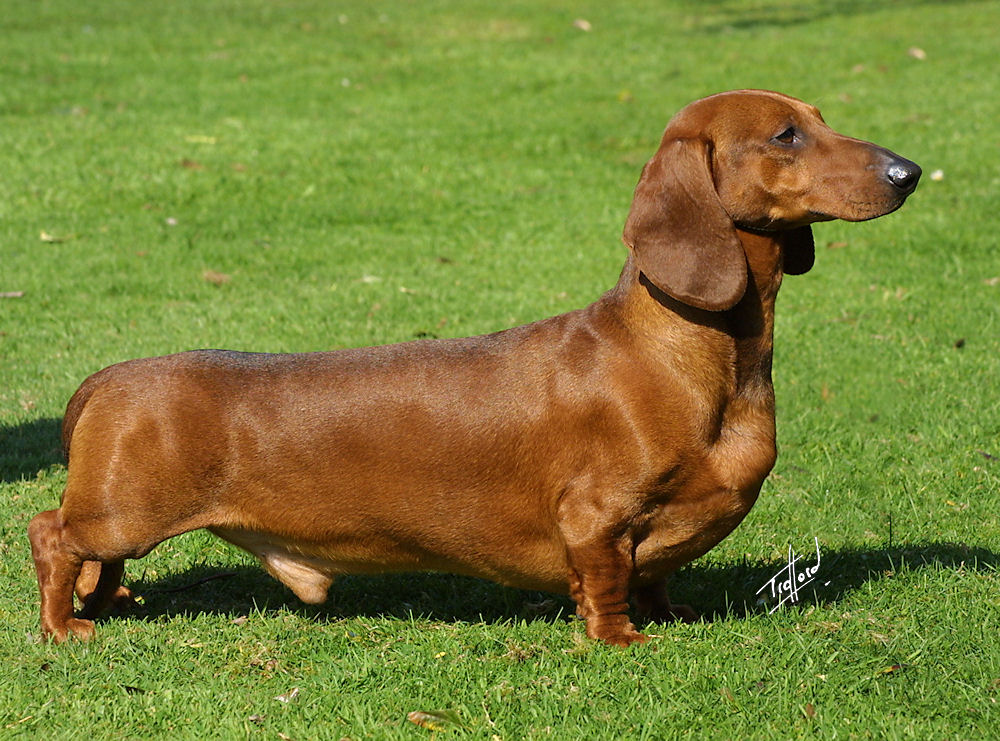
About the Dachshund (Miniature Smooth-Haired)
The Miniature Smooth-Haired Dachshund, often affectionately referred to as the 'Sausage Dog', is a distinctive and charismatic member of the Hound group. Originating from Germany, where they were known as the Dackel or Teckel, these dogs were originally bred to scent, chase, and flush out badgers and other burrow-dwelling animals. While their larger counterparts tackled more formidable prey, the Miniature variety was specifically developed to hunt smaller quarry like rabbits.
Characterised by their iconic long bodies and short legs, the Smooth-Haired variety is perhaps the most recognisable. Despite their diminutive stature, they possess an incredible amount of courage and a loud, deep bark that belies their size. They are fiercely loyal to their families and often form a particularly strong bond with one person. While they are small enough for apartment living, they are active dogs that enjoy exploring the outdoors and using their keen sense of smell.
In terms of temperament, the Miniature Smooth-Haired Dachshund is known for being spunky, curious, and occasionally stubborn. They have a certain independent streak common to many hounds, which means they require patient and consistent ownership. They are generally friendly with people they know but can be wary of strangers, making them excellent little watchdogs. Their sleek, short coat is easy to maintain, making them a popular choice for those who want a dog that is relatively low-maintenance in the grooming department.
Quick Facts
* Size: Miniature (Ideally weighing between 4.5kg and 5kg).
* Coat Type: Short, dense, and smooth. Requires minimal grooming.
* Lifespan: Often lives between 12 and 16 years.
* Energy Levels: Moderate. They enjoy daily walks but are happy to curl up on the sofa.
* Intelligence: High, but can be independent and stubborn during training.
* Colours: Variety of colours including Red, Black and Tan, Dapple, and Chocolate and Tan.
Training & Care Tips
Training a Miniature Smooth-Haired Dachshund requires a firm but fair approach. Because of their hunting background, they are naturally independent and may decide they have better things to do than follow commands. Positive reinforcement is the key; use high-value treats and praise to keep them engaged. Short, frequent training sessions are more effective than long, repetitive ones which might bore them.
Socialisation is vital from a young age. Expose your Dachshund to different sounds, environments, and people to ensure they grow into a well-rounded adult. Without proper socialisation, they can become overly protective or anxious. It is also worth noting that they have a high prey drive. Care should be taken when they are around smaller pets, and a reliable recall is essential if you plan to let them off-lead in unenclosed areas.
Daily exercise is necessary to keep them fit and prevent obesity, which is a significant health risk for this breed. Two walks of 20 to 30 minutes each day are usually sufficient. Mental stimulation is equally important; scent games and puzzle toys are excellent ways to tap into their natural instincts and keep their minds sharp.
Puppy Tips
When bringing a Miniature Smooth-Haired Dachshund puppy home, it is essential to puppy-proof your house. Due to their long backs, jumping off furniture or running up and down stairs can cause serious spinal injuries. Consider installing pet ramps or steps to help them navigate the sofa or bed safely. Discourage them from jumping up on people from the very beginning.
House-training can sometimes be a challenge with this breed. Consistency and patience are paramount. Establish a routine early on, taking them outside after meals, naps, and play sessions. Reward them immediately when they do their business in the correct spot. Because they are sensitive to the cold and rain, some Dachshunds may be reluctant to go outside in poor weather; a small dog coat can help make the experience more comfortable for them.
Early dental care is also recommended. Get your puppy used to having their teeth brushed a few times a week, as small breeds are often prone to dental issues later in life. Similarly, handle their paws and ears regularly so they become accustomed to routine grooming and veterinary checks.
Health
The most significant health concern for the Miniature Smooth-Haired Dachshund is Intervertebral Disc Disease (IVDD). Their long spinal column and short rib cage provide less support than other breeds, making them susceptible to slipped or herniated discs. Maintaining a healthy weight and avoiding high-impact activities are the two best ways to mitigate this risk. If your dog shows signs of back pain, such as reluctance to jump or a change in gait, seek veterinary advice immediately.
Other health conditions to be aware of include Progressive Retinal Atrophy (PRA), which is an inherited eye condition. UK Kennel Club assured breeders will often screen for this, so ensure you ask for health certificates when purchasing a puppy. Like many small breeds, they can also suffer from patellar luxation, where the kneecap temporarily dislocates.
Despite these potential issues, the Dachshund is generally a hardy and long-lived breed. Regular veterinary check-ups, a balanced diet, and appropriate exercise will go a long way in ensuring your dog remains healthy well into their senior years. Always keep an eye on their weight, as even a small amount of excess fat can put a dangerous strain on their back.
Advice for Owners
Owning a Miniature Smooth-Haired Dachshund is a rewarding experience, but it comes with specific responsibilities. They are very social animals and do not like being left alone for long periods. If you work away from home for several hours a day, you may need to arrange for a dog walker or pet sitter to visit. Separation anxiety can manifest in destructive behaviour or excessive barking.
Because of their coat type, they feel the cold much more than long-haired or wire-haired varieties. During the British winter, a waterproof coat is a must for walks. In the summer, be mindful that their bellies are close to the ground, which can radiate heat from pavements. Watch for signs of overheating and ensure they always have access to shade and fresh water.
Finally, remember that the Dachshund is a hound at heart. They love to dig and follow scents. Providing a designated digging area in the garden can help save your flower beds. If you can provide them with the right balance of exercise, mental stimulation, and plenty of affection, you will have a loyal and entertaining companion for many years to come.
---
Disclaimer
The information in this breed guide is compiled from multiple professional sources, including The Kennel Club, veterinary references, and breed-specific organisations. It is intended for general educational purposes only and is not a substitute for advice from a qualified veterinarian or accredited breeder. Always consult a professional regarding your individual dog's health, training, and care needs.