Swedish Vallhund Breed Guide: Facts, Tips & Health
A small dog with a big heart, the Swedish Vallhund is an ancient Viking herder. Discover if this energetic and intelligent 'cow dog' is the perfect companion for your active UK household.
By By PetNetUK ·
About the Swedish Vallhund
The Swedish Vallhund, also known as the Västgötaspets, is a small but mighty breed with a history stretching back over a millennium. Believed to have been the companion of Vikings, these dogs were originally developed in the province of Västergötland as versatile farm workers. Their primary role was that of a 'heeler', a drover and herder of cattle who would nip at the heels of stubborn cows to keep them moving, while being short enough to avoid any retaliatory kicks.
Despite their ancient lineage, the breed faced a precarious future in the mid-20th century. By 1942, they were on the brink of extinction. It was only through the dedicated efforts of Björn von Rosen and K. G. Zettersten that the breed was saved. Through a careful breeding programme and public awareness campaigns, they revived the population, leading to official recognition by the Swedish Kennel Club in 1943. Since then, the Vallhund has found its way into homes across the globe, including a devoted following here in the UK.
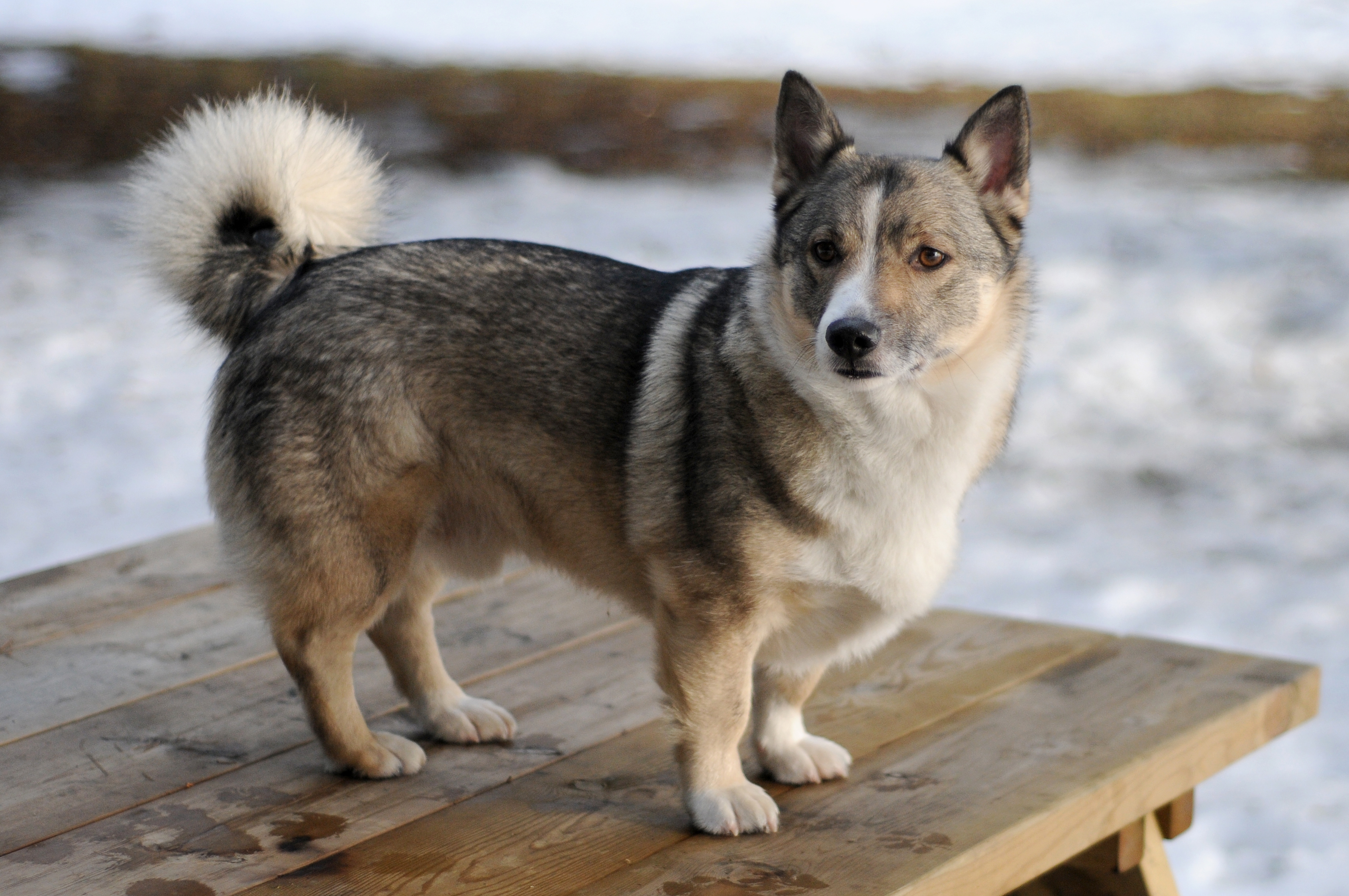
Physically, the Vallhund is often compared to the Corgi due to its long body and short legs, though they are quite distinct breeds. They possess a thick, weather-resistant double coat and come in various shades of grey and yellow-brown. What truly sets them apart, however, is their personality. These are alert, energetic, and remarkably intelligent dogs that retain the fearless spirit of their Viking ancestors.
Quick Facts
* Kennel Club Group: Pastoral
* Origin: Sweden (Västergötland)
* Height: 31cm to 35cm at the withers
* Weight: 9kg to 14kg
* Life Expectancy: 12 to 15 years
* Coat Type: Short, harsh, and close-lying double coat
* Alternative Names: Västgötaspets, Swedish Cow Dog
Training & Care Tips
The Swedish Vallhund is a highly intelligent breed that thrives on mental stimulation. Because they were bred to work independently with livestock, they can sometimes show a streak of stubbornness. Positive reinforcement is the most effective approach; they respond exceptionally well to treats, praise, and play. Short, varied training sessions will keep them engaged and prevent boredom, which can lead to destructive behaviours.
Exercise is non-negotiable for this breed. While they are small, they are not 'lap dogs' in the traditional sense. They require at least an hour of vigorous activity daily, including long walks and off-lead play in secure areas. They excel in canine sports such as agility, obedience, and flyball, which provide both the physical exertion and the mental challenge they crave.
Grooming a Vallhund is relatively straightforward. Their double coat is designed to repel dirt and water, meaning they only require a thorough brush once or twice a week to remove loose hair. However, like many double-coated breeds, they do shed significantly twice a year during 'coat blows'. During these periods, daily brushing will be necessary to manage the hair in your home. Regular nail trimming and dental checks should also form part of their routine care.
Puppy Tips
Bringing a Swedish Vallhund puppy into your home is an exciting commitment. In the UK, they are considered a minority breed, so you may need to join a waiting list from a reputable breeder registered with the Kennel Club. Ensure you meet the dam and, if possible, the sire to gauge their temperament, as early socialisation and genetics play a huge role in the adult dog’s personality.
Socialisation should begin as soon as your puppy arrives. Introduce them to a wide variety of sounds, sights, and people in a controlled manner. Because of their herding instincts, Vallhund puppies may attempt to 'heel' children or other pets by nipping at their ankles. It is crucial to discourage this behaviour early through redirecting their attention to toys and consistent training.
Crate training is often recommended for Vallhund puppies to provide them with a safe space and to assist with housebreaking. Given their intelligence, they tend to pick up toilet training quickly, provided you maintain a consistent schedule. Remember that their joints are still developing, so avoid excessive jumping or high-impact exercise until they are fully grown to prevent long-term skeletal issues.
Health
The Swedish Vallhund is generally a very healthy and robust breed, benefiting from a gene pool that has been carefully managed since its revival in the 1940s. However, like all breeds, there are certain conditions that owners should be aware of. Responsible breeders will screen their breeding stock for these issues to ensure the healthiest possible litters.
One of the primary concerns is Swedish Vallhund Retinopathy, a breed-specific form of progressive retinal atrophy (PRA) that can lead to vision loss. Fortunately, there is now a DNA test available for this, and buyers should always ask to see the test results of the puppy’s parents. Hip dysplasia is also occasionally seen, though it is less common than in larger pastoral breeds. Permanent identification via microchipping is a legal requirement in the UK and is essential for all dogs.
Maintaining a healthy weight is vital for the Vallhund. Their long backs can be put under significant strain if they become overweight, leading to spinal issues or joint pain. Monitor their diet closely and adjust portions based on their activity levels. Regular veterinary check-ups and vaccinations will help ensure your Vallhund remains in peak condition throughout their long life.
Advice for Owners
Owning a Swedish Vallhund is a rewarding experience, but they are best suited to active households where they won't be left alone for long periods. They are incredibly loyal and social dogs who view themselves as an integral part of the family 'pack'. If left neglected or under-stimulated, they can become vocal, using a wide range of barks, howls, and 'talking' sounds to express their displeasure.
For those living in urban environments, be mindful that their alert nature makes them excellent watchdogs; they will likely bark at any perceived intruder or unusual noise. Training a 'quiet' command from a young age is highly beneficial for maintaining peace with the neighbours. They generally get on well with other dogs, especially those of a similar energy level, but their herding drive may be too much for very small or nervous pets.
Ultimately, the Vallhund is a 'big dog in a small body'. They require an owner who can provide firm but fair leadership, plenty of outdoor adventure, and a place by the fire at the end of the day. If you can meet their needs for activity and companionship, you will have a tireless, affectionate, and charismatic friend for many years to come.
---
Disclaimer
The information in this breed guide is compiled from multiple professional sources, including The Kennel Club, veterinary references, and breed-specific organisations. It is intended for general educational purposes only and is not a substitute for advice from a qualified veterinarian or accredited breeder. Always consult a professional regarding your individual dog's health, training, and care needs.