Dachshund (Miniature Long-Haired) Breed Guide: Facts, Tips & Health
Discover the charm of the Miniature Long-Haired Dachshund, a small hound with a big personality and a luxurious coat, perfect for UK homes.
By By PetNetUK ·
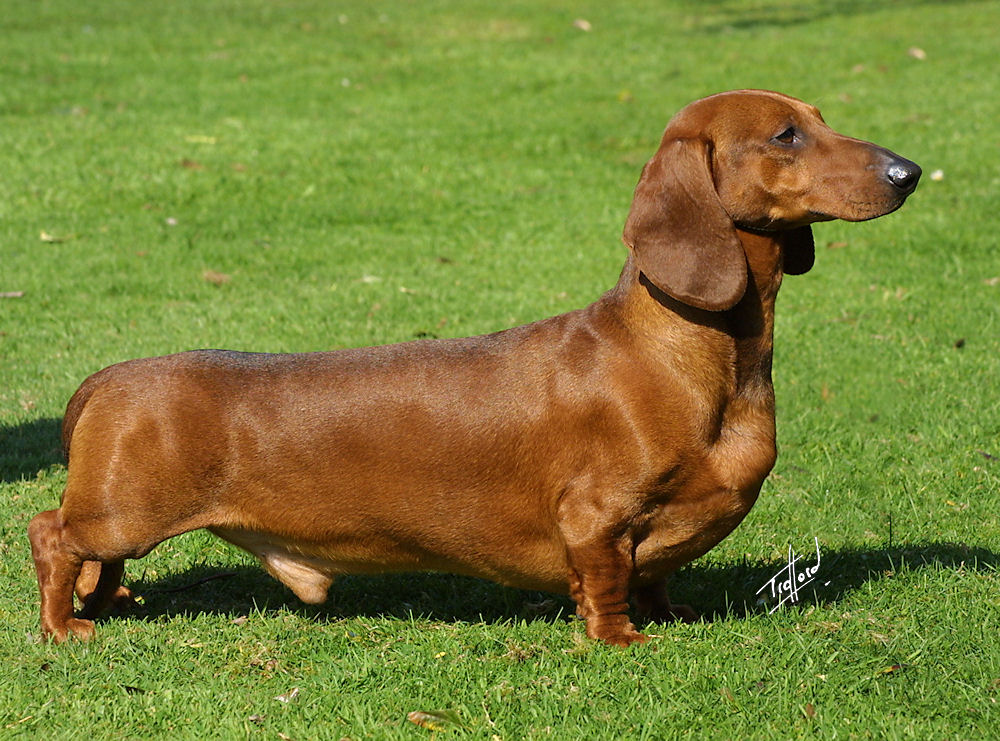
About the Dachshund (Miniature Long-Haired)
The Dachshund, affectionately known in its native Germany as the Dackel or Teckel, is a unique hound-type dog characterised by its short legs and long body. Originally bred for hunting badgers and other burrow-dwelling animals, the miniature version was developed to flush out smaller prey such as rabbits. The Miniature Long-Haired variety is often considered the most elegant of the breed, possessing a soft, silky coat that gives them a more refined appearance compared to their smooth and wire-haired cousins.
Despite their diminutive stature, these dogs possess a courageous and bold temperament. They are members of the Kennel Club’s Hound group, and they retain much of the tenacity required for their historical roles. Owners often describe them as 'big dogs in small bodies', as they are rarely intimidated by larger breeds and are naturally vigilant. Their long-haired coat is thought to have been introduced through crosses with spaniels, which may also explain why this variety is often cited as having a slightly calmer and more affectionate disposition than the other coat types.
In the UK, the Miniature Long-Haired Dachshund has become a popular companion for both city dwellers and those in the countryside. Their size makes them suitable for smaller living spaces, provided their exercise needs are met. They are loyal, often forming a particularly strong bond with one person, though they remain devoted family pets. Because of their history as scent hounds, they are naturally inquisitive and enjoy exploring the world through their noses.
Quick Facts
* Kennel Club Group: Hound
* Size: Miniature (typically weighing between 4.5kg and 5kg)
* Lifespan: 12–16 years
* Coat Type: Long, soft, and slightly wavy; requires regular grooming
* Temperament: Intelligent, loyal, courageous, and occasionally stubborn
* Exercise Needs: Moderate; approximately 30–45 minutes of walking per day
* Barking Levels: High; they are vocal dogs that will alert you to any strangers
Training & Care Tips
Training a Miniature Long-Haired Dachshund requires patience and consistency. As hounds, they possess an independent streak and can be quite stubborn if they do not see the point in a command. Positive reinforcement and food-based rewards work best. It is important to start socialisation early to ensure they are comfortable around other dogs and people, as their protective instincts can sometimes lead to wariness of strangers.
Recall can be a challenge with this breed. If they catch a scent, their hunting instincts may override your instructions. For this reason, it is often safer to exercise them on a long lead unless you are in a securely fenced area. Mental stimulation is just as important as physical exercise; scent games and puzzle feeders are excellent ways to keep their sharp minds occupied and prevent boredom-related behaviours.
Regarding grooming, the long-haired variety requires more maintenance than the other types. Their coat should be brushed at least three times a week to prevent tangles and matting, particularly around the ears, chest, and tail where the fur is longest. Professional grooming every few months is recommended to trim the 'feathers' on their legs and keep their paws tidy. Regular ear cleaning is also essential, as their drop ears can trap moisture and debris.
Puppy Tips
When bringing a Miniature Long-Haired Dachshund puppy home, it is crucial to find a reputable breeder who prioritises health and temperament. In the UK, look for Kennel Club Assured Breeders who carry out the necessary health screenings. A well-adjusted puppy should be curious and confident. Ensure you see the puppy with its mother to gauge her temperament, as this is often a good indicator of how the puppy will develop.
Socialisation in the first fifteen weeks is vital. Expose your puppy to various sounds, surfaces, and sights within the safety of your home and garden before they are fully vaccinated. Miniature Dachshunds can be prone to 'small dog syndrome' if they are over-coddled; treat them like a large dog in terms of rules and boundaries to ensure they grow into a stable, well-behaved adult.
House training can take longer with Dachshunds than with some other breeds. They are known for being somewhat sensitive to the weather and may be reluctant to go outside in the rain. Consistency is key—take them out frequently and reward them immediately when they perform. Using a covered area in the garden can help encourage them during the typical British winter.
Health
The most significant health concern for the Dachshund is Intervertebral Disc Disease (IVDD). Due to their long spines and short rib cages, their backs are under a great deal of strain. To mitigate this risk, it is important to prevent them from jumping off furniture or racing up and down stairs. Many owners use ramps to help their dogs access sofas or cars safely. Keeping your Dachshund at a healthy weight is the single most important thing you can do to protect their spine, as excess weight puts unnecessary pressure on their discs.
Like many small breeds, they can be prone to dental issues. Regular teeth brushing and dental chews can help prevent the buildup of tartar. They may also be susceptible to certain eye conditions, such as Progressive Retinal Atrophy (PRA). When purchasing a puppy, ensure the parents have been DNA tested for Cord1-PRA to reduce the likelihood of your dog developing this hereditary condition.
General fitness is important for their overall well-being. Building up core muscle strength through controlled walks and low-impact exercise can help support their back. Avoid high-impact activities like jumping for frisbees or balls, as the twisting motion can be hazardous to their spinal health. Regular veterinary check-ups will help catch any potential issues early.
Advice for Owners
Life with a Miniature Long-Haired Dachshund is full of character and affection. They thrive on companionship and do not like being left alone for long periods. If you work away from home, consider a dog walker or day-care to keep them company. They are ideally suited to households where someone is present for most of the day.
Be prepared for their vocal nature. They are excellent watchdogs and will bark at the postman or any unusual activity outside. While you can train them to 'quiet' on command, it is an ingrained trait that owners must be prepared to manage. Living in an apartment with very thin walls may be a challenge if your Dachshund is particularly alert.
Finally, remember that despite their lap-dog appearance, they are hounds at heart. They love an adventure and will happily trot along on a countryside hike just as easily as they will curl up on the sofa. By respecting their hunting heritage and providing them with the structure and care they need, you will have a devoted and charming companion for many years to come.
---
Disclaimer
The information in this breed guide is compiled from multiple professional sources, including The Kennel Club, veterinary references, and breed-specific organisations. It is intended for general educational purposes only and is not a substitute for advice from a qualified veterinarian or accredited breeder. Always consult a professional regarding your individual dog's health, training, and care needs.