Kerry Blue Terrier Breed Guide: Facts, Tips & Health
Discover the charismatic Kerry Blue Terrier, the versatile Irish farm dog known for its striking blue-grey coat, boundless energy, and spirited terrier personality.
By By PetNetUK ·
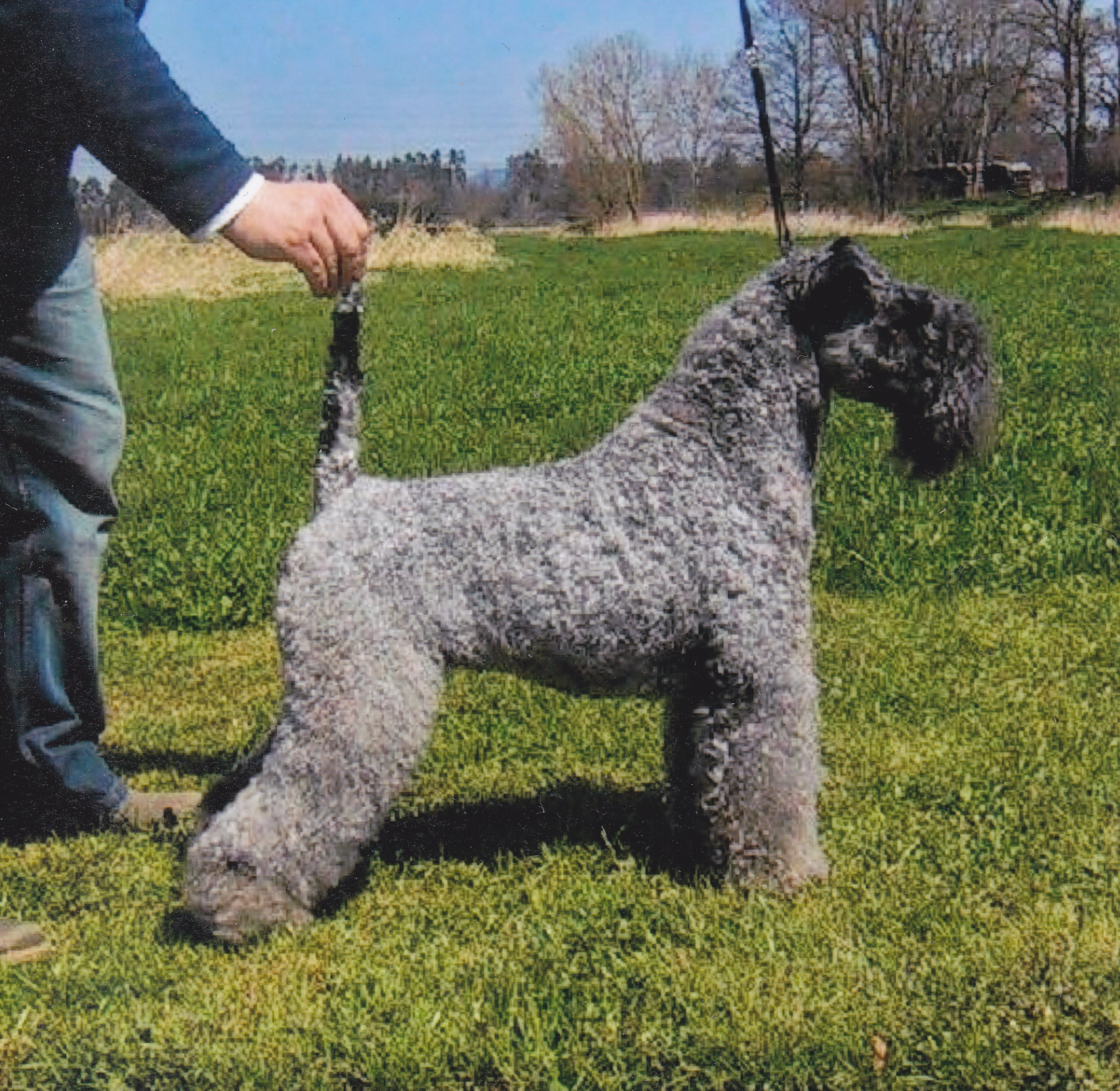
About the Kerry Blue Terrier
The Kerry Blue Terrier, often referred to as the Irish Blue Terrier, is a distinguished and versatile breed hailing from the rugged landscapes of County Kerry in Ireland. Originally bred as a multi-purpose working dog, the Kerry Blue was the ultimate farmhand. While primary tasks included controlling vermin such as rats, rabbits, and badgers, their bravery and intelligence led them to tackle much larger challenges, including foxes, otters, and even deer or wolves in centuries past.
Beyond their reputation as fierce hunters, these dogs transitioned into indispensable general-purpose workers. British and Irish farmers relied on them for herding cattle and sheep, as well as protecting the homestead. This diverse history has resulted in a dog that is exceptionally clever, physically robust, and highly adaptable to various roles. Today, while their vermin-hunting days are largely behind them, they remain beloved companions known for their loyalty and striking appearance.
Physically, the Kerry Blue is a medium-sized dog with a sturdy, well-balanced frame. What sets them apart most is their unique coat, which is soft, wavy, and lacks an undercoat. Perhaps most famously, Kerry Blue puppies are born black; their coat 'clears' or changes colour over their first eighteen months to two years, resulting in various shades of blue, ranging from deep slate to light silver-grey.
Quick Facts
* Kennel Club Group: Terrier
* Origin: Ireland
* Lifespan: 12–15 years
* Coat Type: Soft, dense, and wavy; non-shedding but requires regular grooming.
* Weight: Ideally 15–18kg for males; females slightly lighter.
* Height: 44–48cm at the withers.
* Temperament: High-spirited, intelligent, loyal, and occasionally stubborn.
* Exercise Needs: High; requires vigorous daily activity and mental stimulation.
Training & Care Tips
Training a Kerry Blue Terrier requires a firm, consistent, and patient approach. Being highly intelligent, they learn quickly but can become bored with repetitive tasks. They possess the typical terrier independence, meaning they may try to test boundaries or decide they have better things to do than follow a command. Positive reinforcement using treats and play is the most effective way to keep them engaged. Early socialisation is paramount, particularly with other dogs, as the breed can be assertive and territorial.
Care for a Kerry Blue involves a significant commitment to grooming. Because they do not shed, their hair continues to grow and can easily become matted if neglected. Owners should brush the coat thoroughly at least twice a week. Professional grooming is usually required every six to eight weeks to clip the coat into its distinctive shape. Special attention should also be paid to the beard, which can harbour food and debris if not cleaned regularly.
In terms of exercise, these are not dogs for a sedentary lifestyle. They require at least an hour of vigorous exercise daily, such as long walks, jogging, or fetch. Because of their history as versatile working dogs, they also excel in organised activities like agility, obedience trials, and scent work, which help burn off both physical and mental energy.
Puppy Tips
When bringing a Kerry Blue Terrier puppy home, remember that you are introducing a small bundle of energy with a high prey drive. It is essential to begin basic obedience training and socialisation from day one. Introduce them to varied environments, people, and other well-behaved animals in a controlled manner to build their confidence and reduce the likelihood of dog-on-dog reactivity as they mature.
During the first two years, do not be alarmed as your puppy's coat changes colour. This transition from jet black to blue is a natural process. During this time, the coat may go through several 'messy' phases; maintaining a regular grooming routine early on will help get the puppy used to being handled, which is vital for a breed that requires lifelong professional clipping.
Provide plenty of chew toys, as Kerry puppies can be mouthy. Their curiosity will lead them into every corner of the house, so 'puppy-proofing' is essential. Ensure your garden is securely fenced, as their heritage as hunters of vermin means they may attempt to squeeze through small gaps or dig under fences if they spot a squirrel or rabbit.
Health
Generally, the Kerry Blue Terrier is a hardy and long-lived breed. However, like all pedigree dogs, they are prone to certain hereditary conditions. Responsible breeders will screen for common issues such as hip dysplasia and various eye conditions. Regular veterinary check-ups are essential to monitor for any developing health concerns and to keep up with vaccinations and parasite control.
One specific concern for the breed is Progressive Neuronal Abiotrophy (PNA), a rare genetic neurological disorder. While uncommon, it is worth discussing with your breeder to ensure their lines are clear. Additionally, due to their thick, folded ears, they can be prone to ear infections. Cleaning the ears weekly and ensuring they stay dry after baths or swimming will help prevent irritation.
Skin cysts and benign lumps are also seen occasionally in the breed. Owners should perform regular 'hands-on' checks during grooming to identify any new growths. Early detection and consultation with a vet ensure that most of these minor issues are managed effectively before they become problematic.
Advice for Owners
The Kerry Blue Terrier is best suited to active owners who have previous experience with the terrier temperament. They are incredibly loyal to their families and often form a particularly strong bond with one person, but they generally enjoy being part of all family activities. Their non-shedding coat makes them a popular choice for those with mild allergies, though it is always recommended to spend time with the breed before committing.
While they can live in apartments if sufficiently exercised, they are much happier in a home with a secure garden where they can patrol and play. Potential owners must be prepared for the 'big personality' of the Kerry; they are vocal, energetic, and occasionally headstrong. They are not naturally 'pack dogs' and may prefer to be the only dog in the household, though they can cohabit with other pets if raised together from a young age.
Ultimately, owning a Kerry Blue is a rewarding experience for those who appreciate a dog with character. They are affectionate, protective, and surprisingly sensitive companions. If you can provide the mental stimulation, physical exercise, and consistent leadership they crave, you will be rewarded with a devoted and charismatic partner for many years.
---
Disclaimer
The information in this breed guide is compiled from multiple professional sources, including The Kennel Club, veterinary references, and breed-specific organisations. It is intended for general educational purposes only and is not a substitute for advice from a qualified veterinarian or accredited breeder. Always consult a professional regarding your individual dog's health, training, and care needs.