The UK Pet Owner's Guide to Dog-Friendly Parks and Walks
Not all dog parks are created equal. Here's what to check before you go, how to read a new park safely with your dog, and how to find well-reviewed, dog-friendly spaces near you.
By PetNetUK ·
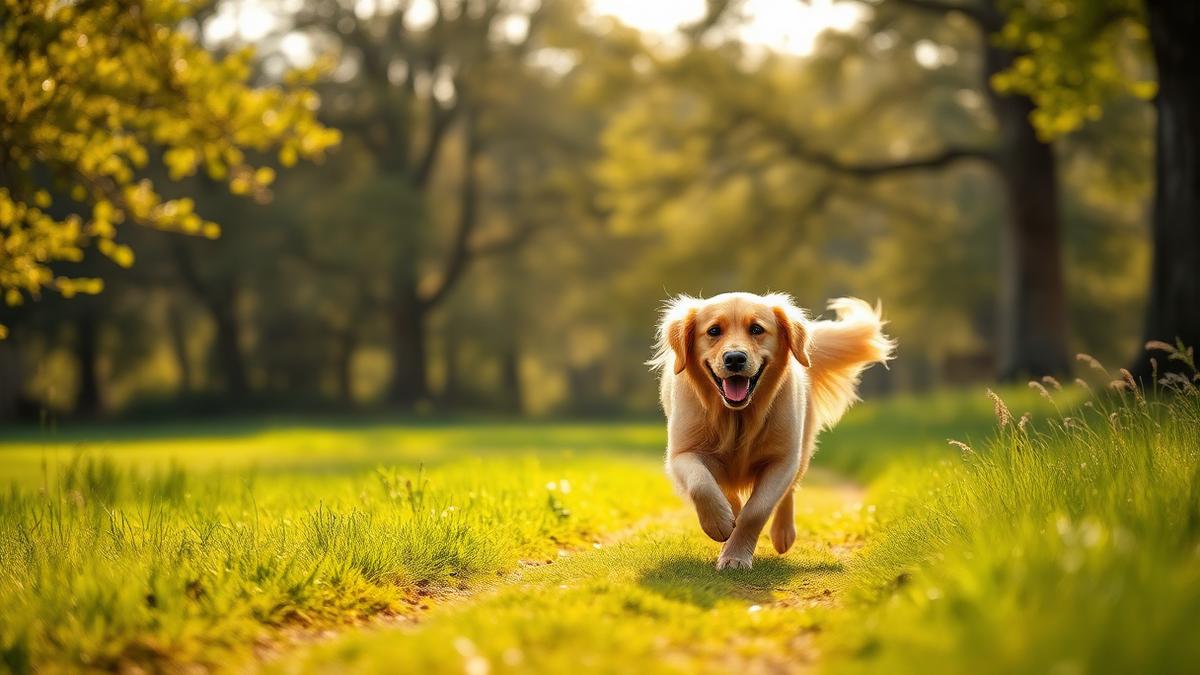
A good local dog park or walking route can transform your dog's week: more space to run, more social contact with other dogs, and a break from the same three streets on lead. But "dog-friendly" covers a huge range, from securely fenced, purpose-built enclosures to open countryside where livestock and traffic are real risks. Here's how to choose well.
What "Dog-Friendly" Actually Means
- Fully enclosed parks — secured fencing, ideal for nervous dogs, puppies still building recall, or anyone wanting off-lead time without the recall risk
- Off-lead countryside and woodland — beautiful, but check seasonally for livestock, ground-nesting birds (spring), and adder activity (spring/summer)
- Beaches — many UK beaches restrict dogs seasonally (typically May to September on popular tourist beaches), so check local council rules before you travel
- Urban parks with designated dog areas — often busiest, good for socialisation but less suitable for reactive dogs
Before You Visit a New Park
- Check recent reviews for mentions of loose or reactive dogs, unfenced roads nearby, or ground hazards
- Look for signs of livestock grazing agreements, particularly in countryside parks
- Note whether the park has bins and water points, or whether you'll need to carry your own
- If your dog isn't confident off-lead yet, visit at a quiet time first to judge the space before committing to a busy weekend
Reading the Room Once You Arrive
Not every dog at a dog park wants to play, and not every owner will warn you in advance. Watch body language on arrival: a dog with a stiff, still posture, fixed stare or raised hackles needs space, not an introduction. If your own dog is nervous, it's completely reasonable to turn around and find a quieter time or spot rather than push through a busy entrance.
Building a Rotation, Not Just One Spot
Most experienced owners rotate two or three regular locations rather than relying on one park. It reduces overuse of a single space, exposes your dog to different environments (which helps generalise training), and gives you a backup if a favourite spot is temporarily closed for maintenance or livestock grazing.
Discover dog parks and walking spots near you, with real reviews from other UK owners, in PetNetUK's Dog Parks directory — searchable by location so you can find options close to home or your next trip away.