Lhasa Apso Breed Guide: Facts, Tips & Health
Discover the regal and spirited Lhasa Apso, Tibet's ancient interior watchdog. This guide explores their unique personality, grooming needs, and why they make loyal UK companions.
By By PetNetUK ·
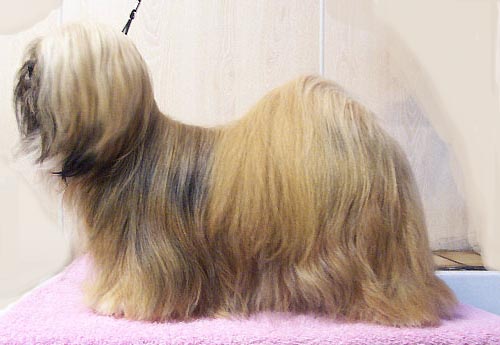
About the Lhasa Apso
Originating from the high-altitude Himalayan plateau, the Lhasa Apso is a breed steeped in history and tradition. Known for centuries in Tibet as 'Abso Seng Kye', which translates to 'Bark Lion Sentinel Dog', these small yet sturdy dogs were selectively bred by Tibetan monks and nobles. Their primary role was to act as interior watchdogs within monasteries and palaces, alerting their masters to any intruders who had managed to bypass the large Mastiffs guarding the exterior gates.
In the UK, the Kennel Club classifies the Lhasa Apso within the Utility group. This reflects their history as a functional companion rather than a sporting hound or terrier. They are characterised by their magnificent, heavy coat and a confident, almost regal disposition. While they may appear like delicate lapdogs, they possess a hardy constitution and a keen sense of hearing that remains true to their sentinel origins.
Personality-wise, the Lhasa Apso is often described as assertive and independent. They are incredibly loyal to their immediate family but can be naturally wary of strangers until they have properly assessed the situation. This discerning nature is a hallmark of the breed; they are not dogs that will immediately shower everyone they meet with affection, preferring instead to take a measured approach to new acquaintances.
Quick Facts
- Weight: Typically 5kg to 8kg for both males and females.
- Height: Around 25cm (10 inches) at the shoulder.
- Lifelong: A long-lived breed, often reaching 12 to 14 years or more.
- Coat Type: Long, heavy, straight, and hard; not woolly or silky.
- Colours: A wide variety of shades including gold, sandy, honey, dark grizzle, slate, smoke, particolour, black, white, or brown.
- Grooming Requirement: Very high; daily brushing is essential for long coats.
- Exercise: Moderate; they enjoy daily walks but are equally happy relaxing at home.
Training & Care Tips
Training a Lhasa Apso requires patience and a firm but fair hand. Due to their independent Tibetan heritage, they can sometimes be stubborn. Positive reinforcement is the most effective method; use high-value treats and praise to encourage cooperation. Because they were bred as watchdogs, they can be prone to excessive barking. Teaching a 'quiet' command early in life is highly recommended for those living in built-up UK residential areas.
Socialisation is paramount for this breed. To prevent their natural wariness from turning into shyness or aggression, expose your Lhasa Apso to a variety of people, dogs, and environments from a young age. This helps them develop into the confident and calm adult dog the breed standards describe. They are intelligent dogs and enjoy mentally stimulating activities, so consider puzzle feeders or indoor scent games to keep them occupied.
Regarding physical care, the Lhasa Apso is surprisingly robust but does not require miles of daily hiking. Two twenty-minute to half-hour walks per day are usually sufficient. They are well-suited to apartment living or smaller homes, provided they get their outdoor time for sniffing and mental stimulation. Be mindful of their long coat in wet British weather; they may require a waterproof suit or a thorough drying sessions after walks to prevent matting and dampness.
Puppy Tips
When bringing a Lhasa Apso puppy home, the first priority should be establishing a grooming routine. Even though a puppy's coat is much shorter and softer than an adult's, getting them used to the sensation of brushes, combs, and being handled is vital. Touch their paws, ears, and mouth regularly to prepare them for future vet visits and professional grooming sessions.
House-training can sometimes take a little longer with this breed compared to others. Consistency is key; take your puppy outside to the same spot immediately after they wake up, eat, or play. Reward them instantly when they do their business outside. Because they are small, progress can be slow, so remain patient and avoid scolding for accidents.
Ensure you find a reputable UK breeder who has performed the necessary health screenings on the parents. A well-bred puppy will have a better foundation for both physical health and temperament. In the early weeks, focus on gentle play to build a bond, as this breed value their relationship with their owners above all else.
Health
As a breed, the Lhasa Apso is generally healthy and boasts an impressive lifespan. However, like all pedigree dogs, they are predisposed to certain hereditary conditions. One of the most significant concerns for the breed is Progressive Retinal Atrophy (PRA), an eye condition that can lead to blindness. It is essential to ensure that puppies are sourced from parents who have clear eye certificates.
Another condition to be aware of is Kidney Dysplasia, a genetic fault where the kidneys do not develop properly. Reputable breeders work hard to screen for this to ensure the health of the line. Their long ears can also be prone to infections if not kept clean and dry, as the hair grows inside the ear canal and can trap moisture and debris.
Due to their slightly shortened muzzle, they can occasionally suffer from brachycephalic-related issues, though they are not as severely affected as breeds like the Pug. Keeping your Lhasa Apso at a healthy weight is the best way to support their joints and respiratory system. Regular check-ups with your vet and staying up to date with vaccinations and parasite control are standard requirements for maintaining their well-being.
Advice for Owners
Owning a Lhasa Apso is a significant commitment, particularly regarding their coat. If you intend to keep your dog in a full show coat, be prepared for daily grooming sessions of up to thirty minutes. Many UK owners choose to keep their pets in a 'puppy cut' or 'teddy bear clip', which involves professional grooming every six to eight weeks to keep the hair at a manageable length.
These dogs value their personal space. While they are affectionate with their families, they are not always the best choice for households with very young, boisterous children who may not respect a dog's boundaries. They thrive in calmer environments where they can observe the household from a high vantage point, often sitting on the back of a sofa to fulfill their ancient role as a sentinel.
Finally, remember that the Lhasa Apso is a 'big dog in a small body'. They do not see themselves as vulnerable and will often stand their ground against much larger dogs. Encouraging calm behaviour during walks and ensuring they are on a lead in busy areas will keep them safe. In return for your care and leadership, you will have a devoted, intelligent, and highly entertaining companion who will guard your home and heart with total loyalty.
---
Disclaimer
The information in this breed guide is compiled from multiple professional sources, including The Kennel Club, veterinary references, and breed-specific organisations. It is intended for general educational purposes only and is not a substitute for advice from a qualified veterinarian or accredited breeder. Always consult a professional regarding your individual dog's health, training, and care needs.