Boxer Breed Guide: Facts, Tips & Health
Energetic, loyal, and famously playful, the Boxer is a powerful working dog that makes a devoted family companion for those who can keep up with their zest for life.
By By PetNetUK ·
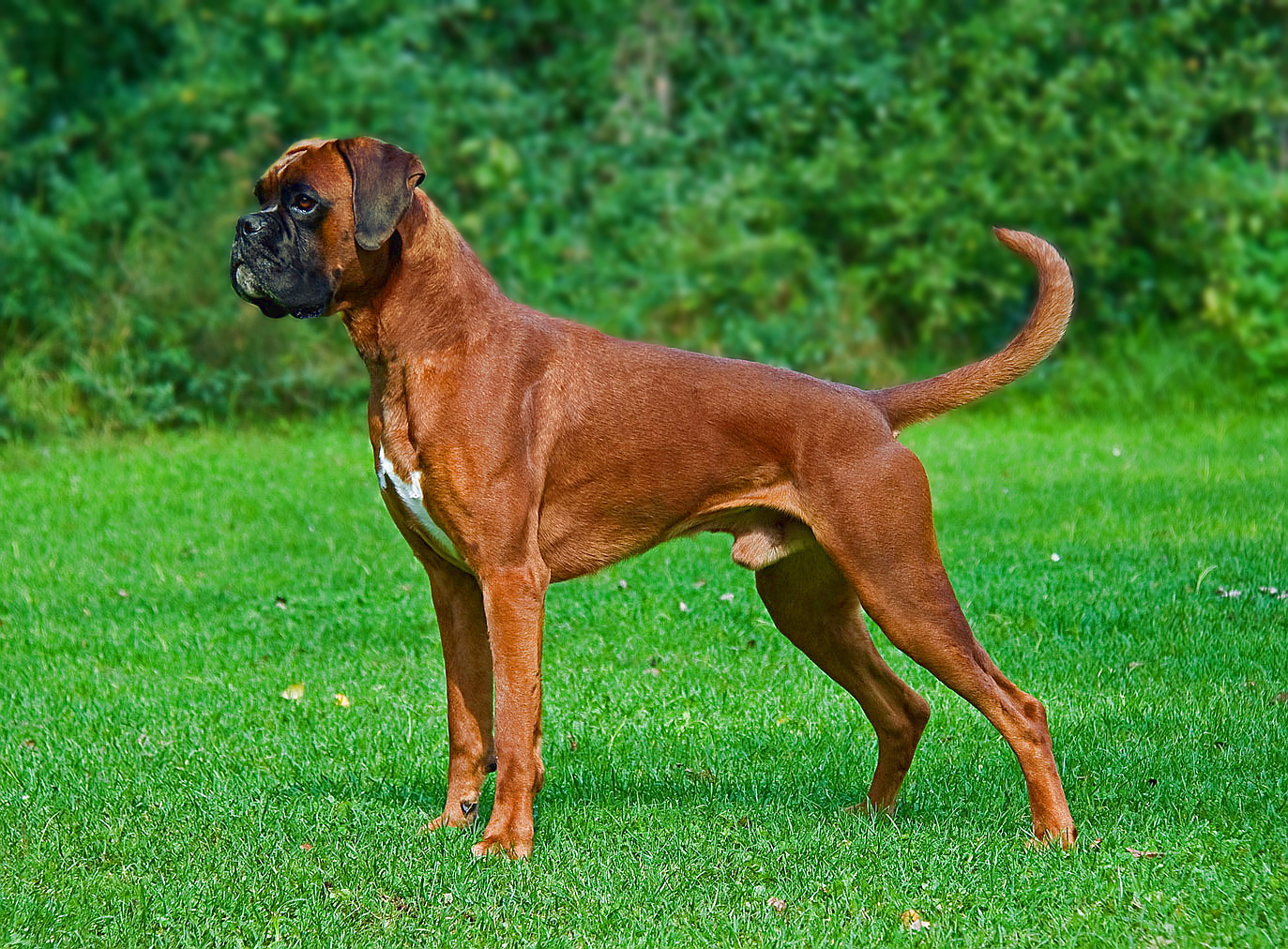
About the Boxer
The Boxer is a medium to large, short-haired dog breed of mastiff-type, originally developed in Germany. Known for their distinct square muzzle and powerful build, these dogs were bred from the Old English Bulldog and the now extinct Bullenbeisser. Historically used for hunting large prey, the modern Boxer is a prized member of The Kennel Club’s Working Group, revered for its intelligence and protective yet playful nature.
Physically, the Boxer is an athlete. Their coat is smooth and tight-fitting, typically appearing in fawn or brindled patterns, often with white markings. They are a brachycephalic breed, meaning they have a shorter face and broad muzzle. A notable trait of the breed is mandibular prognathism—an underbite that, combined with very strong jaws, originally allowed them to hang on to prey with incredible tenacity.
Beyond their physical prowess, Boxers are often described as the 'Peter Pan' of the canine world. They tend to retain a puppy-like exuberance well into their adult years. They are deeply bonded to their families and are known to be particularly patient and watchful with children, provided they have been socialised correctly from a young age.
Quick Facts
* Kennel Club Group: Working
* Size: Medium to Large
* Height: 53cm to 63cm at the withers
* Weight: Approximately 25kg to 32kg
* Lifespan: 10 to 12 years
* Coat Type: Short, smooth, and easy to maintain
* Colours: Fawn or Brindle (often with white 'flashings')
* Temperament: Energetic, intelligent, and loyal
Training & Care Tips
Training a Boxer requires a firm yet fair approach. Because they are highly intelligent and independent thinkers, they can sometimes be stubborn. Positive reinforcement is the most effective method; use treats, praise, and play to keep them engaged. Harsh corrections are often counterproductive with this breed, as they are surprisingly sensitive and may shut down if treated unkindly.
As a working breed, Boxers possess a high energy drive. They require at least two hours of vigorous exercise daily. This should include a mix of steady walking, off-lead running in a secure area, and mental stimulation. Without an outlet for their energy, Boxers can become destructive in the home out of sheer boredom. Dog sports such as agility or obedience trials are excellent ways to channel their focus.
Grooming is relatively straightforward due to their short coats. Use a soft bristle brush or a grooming mitt once a week to remove loose hairs and keep their skin healthy. It is important to note that because of their short coats and brachycephalic faces, Boxers do not tolerate extreme temperatures well. They can overheat quickly in summer and feel the chill in winter, so coat-wearing may be necessary during colder British months.
Puppy Tips
When bringing a Boxer puppy home, early socialisation is paramount. Introduce them to a wide variety of people, environments, and other animals during their critical development window. This ensures their natural protective instincts develop into a confident and discerning nature rather than fear-based reactivity.
Puppy-proofing your home is essential, as Boxers are notorious 'mouthy' chewers. Provide a range of sturdy toys to satisfy their urge to chew and keep them away from furniture. Be mindful of their growing joints; while they are energetic, avoid excessive jumping or high-impact exercise until their growth plates have fused, usually around 18 months of age.
Training should begin the moment they arrive. Focus on basic commands and lead training immediately. Boxers are powerful dogs that can easily pull an adult off-balance once fully grown, so teaching them to walk on a loose lead while they are small is a much easier task than correcting the habit later in life.
Health
Like many pedigree breeds, the Boxer is predisposed to certain health conditions. Their brachycephalic nature means they can be prone to respiratory issues, particularly in hot weather. Owners should be vigilant for signs of heavy panting or distress. Maintaining a healthy weight is crucial, as obesity can exacerbate breathing difficulties and put unnecessary strain on their joints.
Heart conditions, including Boxer Cardiomyopathy and Aortic Stenosis, are known issues within the breed. It is vital to purchase a puppy from a breeder who performs heart testing on the sire and dam. Boxers are also at a higher risk for certain types of cancers and skin allergies. Regular veterinary check-ups and a high-quality diet are the best defences for long-term health.
Gastric Torsion, or 'bloat', is another serious concern for large, deep-chested breeds like the Boxer. To mitigate this risk, it is recommended to feed smaller, frequent meals rather than one large one and to avoid vigorous exercise immediately before or after feeding times.
Advice for Owners
Owning a Boxer is a significant commitment of time and energy. They are not 'outdoor dogs' and crave the company of their human family. If you work long hours away from home, a Boxer may not be the right choice, as they are prone to separation anxiety and need constant interaction.
Prospective owners should be prepared for the 'Boxer bounce'. These dogs show their affection by jumping up, and while charming when they are puppies, it can be intimidating when they are fully grown. Consistent training from day one is needed to encourage them to keep four paws on the floor during greetings.
Finally, always source your Boxer from a Kennel Club Assured Breeder. This ensures that the parents have undergone the necessary health screenings and that the puppy has been raised in a suitable environment. A well-bred, well-trained Boxer is a comedic, loving, and steadfast companion that will bring immense joy to an active household.
---
Disclaimer
The information in this breed guide is compiled from multiple professional sources, including The Kennel Club, veterinary references, and breed-specific organisations. It is intended for general educational purposes only and is not a substitute for advice from a qualified veterinarian or accredited breeder. Always consult a professional regarding your individual dog's health, training, and care needs.