Irish Wolfhound Breed Guide: Facts, Tips & Health
Discover the gentle giant of the hound world. From its mythical origins to its role as a loyal family companion, learn everything you need to know about the Irish Wolfhound.
By By PetNetUK ·
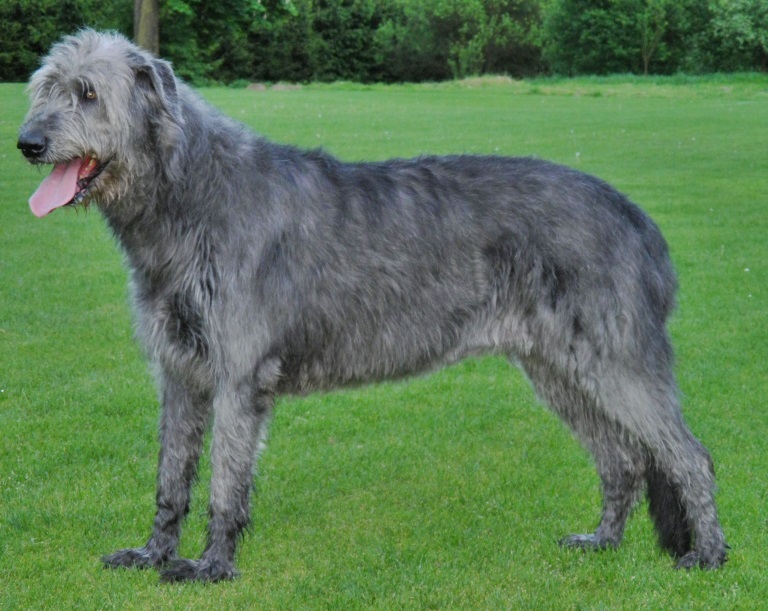
About the Irish Wolfhound
The Irish Wolfhound is a breed of remarkable presence and ancient lineage. As a large sighthound, its sheer size and commanding stature have inspired countless works of literature, poetry, and Celtic mythology. Known as the 'Gentle Giant' of the dog world, this breed combines a rugged, wire-haired appearance with a temperament that is famously kind and composed. Historically, they were the companions of kings and chieftains, representing both power and prestige across the British Isles.
While their name suggests a fierce nature, the modern Irish Wolfhound is a far cry from a hunter of wolves. This breed was historically used by coursing hunters who prized the dog for its ability to dispatch game caught by other, swifter sighthounds. Their historical utility and noble character led to the breed being declared the regimental mascot of the Irish Guards in 1902, a tradition that continues to this day. They are quintessentially Irish, embodying a sense of calm strength and quiet dignity.
In the home, they are exceptionally affectionate and form deep bonds with their human families. Despite their history as hunters, they are typically relaxed indoors once they have reached adulthood. However, their size remains their most defining characteristic. Prospective owners must be prepared for a dog that can easily reach the height of a tabletop and requires significant physical space to navigate comfortably.
Quick Facts
* Kennel Club Group: Hound
* Size: Very Large (Giant)
* Height: Minimum 79cm for males; 71cm for females
* Weight: Average 40kg to 55kg+
* Coat Type: Rough, wiry and hard; particularly long over the eyes and under the jaw
* Lifespan: 6 to 10 years
* Temperament: Calm, sensitive, patient, and courageous when required
* Exercise Needs: High (ideally long, steady walks)
* Grooming: Moderate (weekly brushing)
Training & Care Tips
Training an Irish Wolfhound requires a gentle touch and a great deal of patience. Because they are sensitive sighthounds, they do not respond well to harsh corrections or shouting. Positive reinforcement through praise and treats is the most effective way to build a rapport. Early socialisation is critical; despite their size, they can be somewhat timid if not introduced to a variety of people, dogs, and environments during their formative months.
Recall training is perhaps the most vital aspect of their education. As sighthounds, their instinct to chase moving objects is deeply ingrained. If a Wolfhound spots a rabbit or a deer while off-lead, they may become 'tunnel-visioned' and ignore commands. It is often recommended to exercise them in securely fenced areas or keep them on a long lead until their recall is exceptionally reliable.
Regarding daily care, their wiry coat requires a thorough brushing at least once or twice a week to remove dead hair and prevent matting. They do not require frequent bathing, but the hair around their muzzle (the beard) should be cleaned regularly to prevent food build-up. Additionally, because they are prone to joint issues, providing a high-quality, supportive orthopaedic bed is essential to protect their elbows and hips from the hard floor.
Puppy Tips
Bringing home an Irish Wolfhound puppy is a significant commitment. During their first year, these dogs grow at an incredible rate, sometimes gaining several kilograms in a single week. It is imperative not to over-exercise a puppy during this growth phase. Prolonged road walking or high-impact jumping can cause permanent damage to their developing joints and skeleton. Short, gentle play sessions are sufficient while they are young.
Feeding a giant breed puppy requires specific nutritional balance. They need a diet that supports steady, rather than rapid, growth to avoid skeletal deformities. Speak with your breeder or a veterinarian about large-breed puppy formulas. You should also begin 'handling' training immediately. Get your puppy used to having their paws touched, their ears checked, and their mouth opened, as performing these tasks on a fully grown 50kg dog is much more difficult.
Health
Like many giant breeds, the Irish Wolfhound has a shorter lifespan than smaller dogs. Responsible breeders under the Kennel Club will screen for common hereditary conditions, but owners must be aware of certain risks. Gastric Torsion (also known as Bloat) is a life-threatening emergency common in deep-chested breeds. It is advised to use slow-feeding bowls and avoid vigorous exercise for at least an hour before and after meals.
Heart health is another area of concern, particularly Dilated Cardiomyopathy (DCM). Annual veterinary check-ups and heart screenings are recommended to catch any issues early. Bone cancer (Osteosarcoma) and joint dysplasia are also seen within the breed. Maintaining a lean body weight throughout their life is the best way to reduce the strain on their heart and limbs.
Advice for Owners
Owning an Irish Wolfhound is a privilege, but it is not a decision to be taken lightly. Before bringing one into your home, consider the practicalities of a giant dog. Your car must be large enough to transport them safely, and your garden must have secure, high fencing. Financial considerations are also higher than average; everything from flea treatments and wormers to boarding fees and insurance premiums is priced for their size.
If you have the space and the lifestyle to accommodate them, you will find no more loyal or dignified companion. They are generally excellent with children, though their sheer size means they can accidentally knock toddlers over. They are best suited to households where someone is home most of the day, as they thrive on human companionship and can suffer from separation anxiety if left alone for long periods. In return for your care, the Irish Wolfhound will provide a quiet, steadfast friendship that has been celebrated by poets for centuries.
---
Disclaimer
The information in this breed guide is compiled from multiple professional sources, including The Kennel Club, veterinary references, and breed-specific organisations. It is intended for general educational purposes only and is not a substitute for advice from a qualified veterinarian or accredited breeder. Always consult a professional regarding your individual dog's health, training, and care needs.