Norwegian Elkhound Breed Guide: Facts, Tips & Health
Discover the Norwegian Elkhound, Norway's courageous national dog. These sturdy Spitz-type hounds are loyal companions with a rich history of hunting and guarding in the Great North.
By By PetNetUK ·
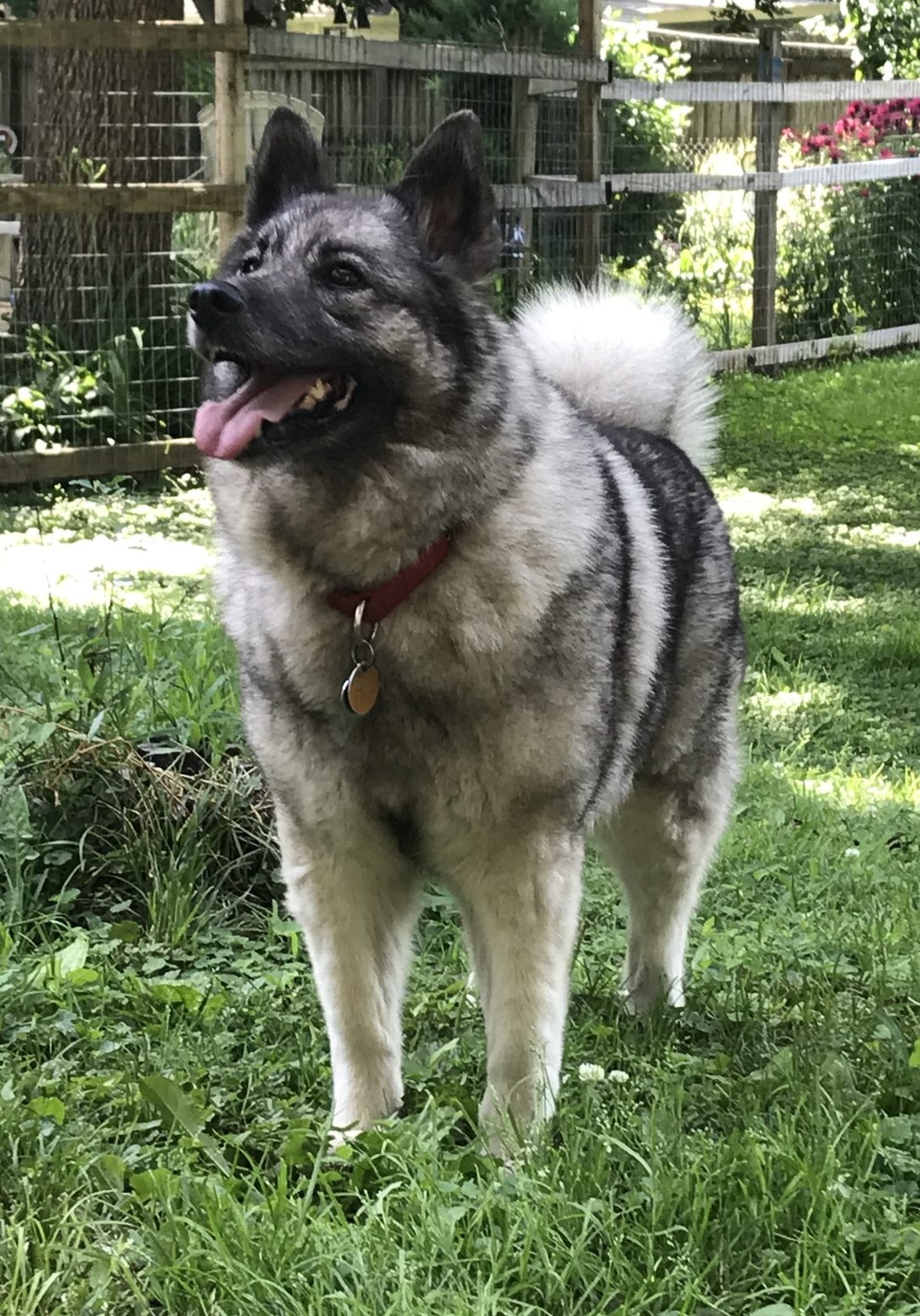
About the Norwegian Elkhound
The Norwegian Elkhound is a dog of great antiquity and character. As the National Dog of Norway, this breed holds a special place in the hearts of the Scandinavian people and dog enthusiasts worldwide. Classified by the Kennel Club as part of the Hound group, the Elkhound is a Northern Spitz-type breed, recognisable by its sturdy build, dense silver-grey coat, and tightly curled tail. Historically, these dogs were bred for endurance and bravery, serving as versatile companions that could hunt, guard, and herd under the harshest of conditions.
First presented at a dog exhibition in Norway in 1877, the breed has a lineage that stretches back thousands of years, with archaeological evidence suggests similar dogs lived alongside Vikings. Despite the name, they are not 'hounds' in the scent-hound or sighthound tradition common in the UK; they are unique in their method of hunting. Instead of catching prey, they use their incredible stamina to track large game—such as elk, bear, or wolves—and hold them at bay by barking until the hunter arrives. This history has produced a dog that is exceptionally bold, independent, and vocal.
In a domestic setting, the Norwegian Elkhound is known for being a devoted family dog. They are famously loyal and possess a protective streak that makes them excellent watchdogs. However, they are not typically aggressive; rather, they are observant and discerning. They thrive in active households where they are treated as part of the family pack. Prospective owners should be aware that their independent nature means they are thinkers who require a firm but fair hand.
Quick Facts
* Group: Hound (Spitz-type)
* Life Expectancy: 12–15 years
* Height: 49–52 cm at the withers
* Weight: 20–25 kg
* Coat: Thick, weather-resistant double coat in various shades of grey with black tips
* Temperament: Bold, energetic, loyal, and independent
* Exercise Needs: High; requires at least 90 minutes of vigorous activity daily
Training & Care Tips
Training a Norwegian Elkhound requires patience and a good sense of humour. Because they were bred to work independently of humans while tracking, they often have their own ideas about how things should be done. They are highly intelligent but can be stubborn if they do not see the point of a command. Positive reinforcement using high-value treats and praise is essential. Harsh corrections will likely result in the dog shutting down or choosing to ignore you entirely.
Recall is one of the most significant challenges for this breed. Given their history as tracking dogs, once they pick up a scent, their instinct to follow it is incredibly strong. It is often recommended to keep Elkhounds on a lead in non-secure areas, as even the best-trained dog may be tempted away by a squirrel or a fox. Engaging them in activities like agility, tracking trials, or hiking can help satisfy their natural instincts while strengthening the bond between owner and dog.
Regarding grooming, the Norwegian Elkhound is a 'wash and wear' dog for much of the year, but they are heavy shedders. Their thick double coat needs a thorough brushing at least once or twice a week to manage the stray hairs. Twice a year, they will 'blow' their coat, losing their dense undercoat in large clumps. During these periods, daily brushing is a necessity to keep the hair in your home under control. On the plus side, their coat is naturally resistant to water and dirt, and they generally lack the typical 'doggy' odour.
Puppy Tips
When bringing a Norwegian Elkhound puppy home, early socialisation is the most critical factor. Expose them to a wide range of people, noises, and other animals during their first 16 weeks. Because they are protective by nature, helping them understand what constitutes a normal sight or sound will prevent them from becoming overly suspicious or reactive adults. Puppy training classes are an excellent way to start their education while providing social interaction.
Be prepared for the 'bark'. Even as puppies, Elkhounds are vocal. They communicate through various woofs and howls. While you may never completely stop an Elkhound from barking, you can teach them a 'quiet' command early on. Consistency is key; allow them to bark twice to alert you, then signal that the job is done and reward the silence. This prevents the barking from becoming a nuisance behaviour as they grow.
Health
In general, the Norwegian Elkhound is a robust and hardy breed with few genetic health issues compared to many modern breeds. However, like all purebred dogs, there are certain conditions that prospective owners should be aware of. Responsible breeders will screen their breeding stock for Hip Dysplasia, which can affect the joints and lead to mobility issues in later life.
Another condition occasionally seen in the breed is Progressive Retinal Atrophy (PRA), an eye disorder that can lead to blindness. Checking that the parents have clear eye certificates is a vital step when purchasing a puppy. Additionally, this breed is prone to sebaceous cysts (small lumps under the skin) and occasional kidney issues. Maintaining a healthy weight is crucial; Elkhounds are highly food-motivated and can easily become overweight, which puts unnecessary strain on their joints and organs.
Advice for Owners
The Norwegian Elkhound is best suited to an active, outdoorsy lifestyle. If you enjoy long hikes in the British countryside, rain or shine, this breed will be your perfect companion. They are particularly fond of cold weather and will often be found lounging in the garden during a frost or a snowstorm. Conversely, they can struggle in extreme heat due to their thick coats, so extra care must be taken during the summer months to keep them cool.
Living with an Elkhound means accepting that you have a partner rather than a servant. They are not the type of dog to sit idly by; they want to be involved in whatever the family is doing. Ensuring they have plenty of mental stimulation—such as puzzle toys or scent work—will prevent the boredom that leads to destructive chewing or excessive barking. If you can provide the exercise, leadership, and grooming they require, you will be rewarded with a courageous and deeply loyal friend who will stand by your side for many years.
---
Disclaimer
The information in this breed guide is compiled from multiple professional sources, including The Kennel Club, veterinary references, and breed-specific organisations. It is intended for general educational purposes only and is not a substitute for advice from a qualified veterinarian or accredited breeder. Always consult a professional regarding your individual dog's health, training, and care needs.