Schnauzer Breed Guide: Facts, Tips & Health
Discover the charismatic Standard Schnauzer. From their iconic wiry beards to their spirited intelligence, learn why this versatile German breed makes a loyal family companion.
By By PetNetUK ·
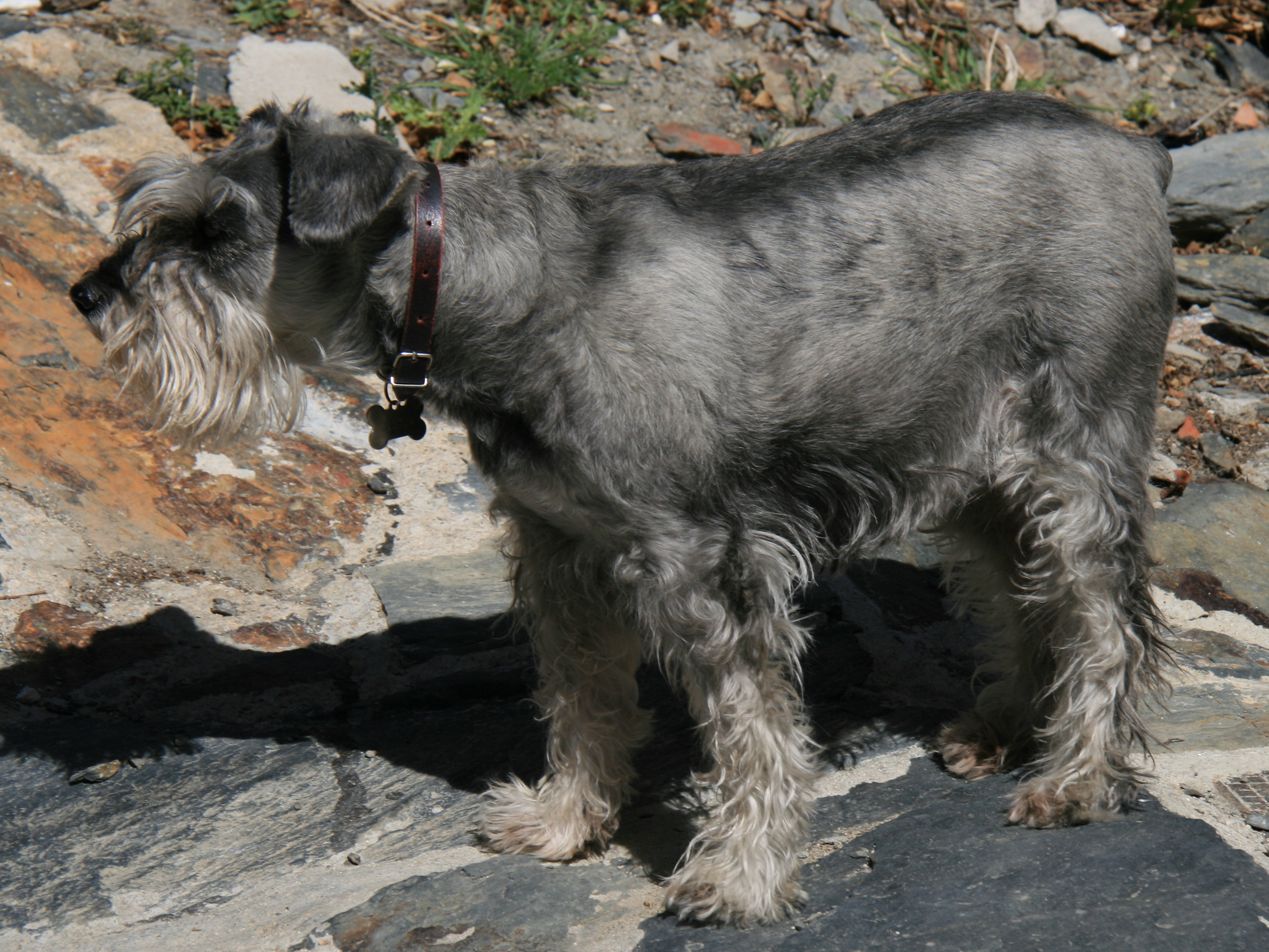
About the Schnauzer
The Standard Schnauzer, historically known as the Mittelschnauzer in its native Germany, is a dog of antiquity and exceptional versatility. Recognised as a member of the Working Group by the Kennel Club, this breed was originally developed as a multi-purpose farm dog. Their duties ranged from guarding livestock and property to hunting vermin, a history reflected in their robust build and keen intelligence.
What sets the Schnauzer apart visually is its distinctive profile, characterised by an abundant bristly beard and prominent whiskers, which are often a lighter shade than the main coat. While there are three distinct sizes of Schnauzer—the Giant, the Standard, and the Miniature—the Standard is the original prototype. Despite their iconic status internationally, the breed is currently considered endangered in Germany, appearing on the Red List of the Gesellschaft zur Erhaltung alter und gefährdeter Haustierrassen.
In a domestic setting, the Schnauzer is known for its spirited temperament and unwavering loyalty. They are deeply devoted to their families and possess a natural protective instinct. Unlike some working breeds that can be aloof, a well-socialised Schnauzer is an engaging companion, though they often retain a degree of independence and a sense of humour that requires an experienced hand.
Quick Facts
- Weight: Typically between 14kg and 20kg.
- Height: Roughly 45cm to 50cm at the shoulder.
- Life Expectancy: 13 to 16 years.
- Coat Type: Dense, wiry, and weather-resistant with a soft undercoat.
- Colours: Most commonly Pepper and Salt or solid Black.
- Exercise Needs: High; they require at least an hour of vigorous activity daily.
- Grooming: High maintenance; requires regular stripping or clipping and daily beard cleaning.
Training & Care Tips
Training a Schnauzer requires patience, consistency, and a positive approach. These dogs are highly intelligent and quick to learn, but they can also be headstrong. They tend to grow bored with repetitive tasks, so it is essential to keep training sessions short, varied, and rewarding. Forceful methods are rarely effective with this breed; instead, focus on building a bond based on mutual respect.
Because of their history as ratters, they possess a high prey drive. This means that a reliable recall is vital if you plan to exercise them off-lead in open spaces. Early socialisation is equally important to ensure they are comfortable around other dogs and people, helping to temper their natural guarding tendencies into a manageable watchfulness rather than over-protection.
Dietary needs should be managed carefully to maintain a lean weight, as excessive weight puts pressure on their joints. Daily care must include cleaning the facial hair. The Schnauzer’s beard is a magnet for food, mud, and water, which can lead to skin irritation or unpleasant odours if not wiped down after meals and walks.
Puppy Tips
When looking for a Schnauzer puppy, it is imperative to find a reputable breeder who prioritises health and temperament over aesthetics. Since they are a working breed, puppies are energetic and inquisitive. You should begin light training and socialisation from the moment they arrive home. Exposing them to different sights, sounds, and surfaces will help develop a confident adult dog.
Biting and mouthing can be a common trait in Schnauzer puppies due to their heritage as vermin hunters. Providing plenty of appropriate chew toys and redirecting their energy will help curb this habit. It is also wise to introduce professional grooming early on. Getting a puppy used to having their paws handled and their beard combed will make life significantly easier for both the owner and the groomer as the dog grows.
Health
Generally, the Standard Schnauzer is a hardy and healthy breed with a long lifespan for its size. However, like all breeds, they are prone to certain hereditary conditions. Responsible breeders will screen for hip dysplasia and various eye conditions. Prospective owners should always ask to see the health test certificates of the parent dogs.
Some Schnauzers may develop benign skin growths or 'Schnauzer bumps' (comedo syndrome), though this is more commonly associated with the Miniature variety. They can also be prone to pancreatitis if fed a diet that is too high in fat. Regular veterinary check-ups, a balanced diet, and maintaining an active lifestyle are the best ways to ensure your Schnauzer remains in peak condition throughout their life.
Advice for Owners
Owning a Schnauzer is a rewarding experience, but it is a commitment to an active lifestyle. These dogs are not suited to sedentary households where they are left alone for long periods. They thrive when they have a job to do, whether that is agility training, obedience trials, or simply joining you on long hikes across the British countryside.
Grooming is perhaps the most significant time investment. While they do not shed much, their wiry coat requires 'stripping' by hand twice a year to maintain its texture and colour. Many owners choose to have their dogs professionally clipped for ease, though this can soften the coat over time. Regular brushing at home is non-negotiable to prevent mats from forming in the undercoat and furnishings.
Ultimately, if you can provide the mental stimulation, physical exercise, and grooming care they require, the Schnauzer will reward you with unparalleled companionship and a lively, protective presence in your home.
---
Disclaimer
The information in this breed guide is compiled from multiple professional sources, including The Kennel Club, veterinary references, and breed-specific organisations. It is intended for general educational purposes only and is not a substitute for advice from a qualified veterinarian or accredited breeder. Always consult a professional regarding your individual dog's health, training, and care needs.