Pomeranian Breed Guide: Facts, Tips & Health
Compact, vivacious, and possessing a lush double coat, the Pomeranian is a spirited Toy breed with a grand history and an even larger personality.
By By PetNetUK ·
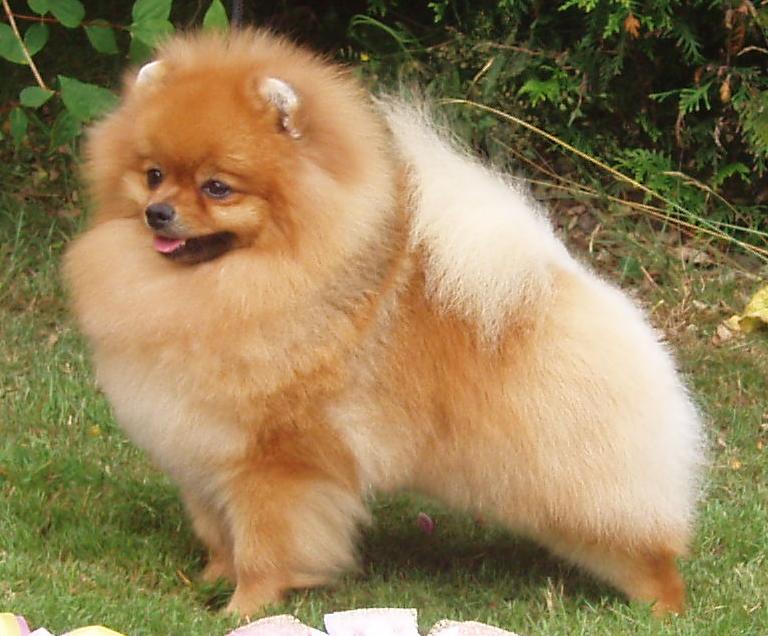
About the Pomeranian
The Pomeranian is a dainty yet spirited member of the Spitz family, named after the Pomerania region spanning north-west Poland and north-east Germany. Despite their diminutive stature, these dogs are direct descendants of large, powerful Arctic sled dogs. This heritage is evident in their thick double coats and alert, fox-like expressions. It was during the reign of Queen Victoria that the breed was significantly reduced in size; her preference for smaller specimens influenced breeders to develop the Pomeranian into the 'Toy' dog we recognise today.
In the UK, the Pomeranian is a firm favourite within the Kennel Club's Toy Group. They are known for being exceptionally extroverted, intelligent, and affectionate. While they may resemble a plush toy, they possess the soul of a much larger dog, often leading them to take on the role of a vigilant guardian within the family home. They are highly adaptable to city living but require human companionship and do not like being left alone for extended periods.
Quick Facts
* Kennel Club Group: Toy
* Size: Small
* Lifespan: 12 to 16 years
* Coat Type: Long, double coat with a soft undercoat and harsh-textured outer coat
* Temperament: Extroverted, intelligent, lively, and bold
* Height: 18cm to 30cm
* Weight: 1.8kg to 2.5kg
* Exercise needs: Moderate (up to 30 minutes per day)
Training & Care Tips
Training a Pomeranian requires consistency and a gentle hand. Because of their intelligence, they can be remarkably quick learners, but they also possess an independent streak that may lead to stubbornness if they find the training dull. Positive reinforcement, using high-value treats and praise, is the most effective method. It is important to begin socialisation early to ensure they are comfortable around other dogs and people, as their 'big dog' ego can sometimes lead them to challenge much larger animals.
House-training can sometimes take longer than expected with Toy breeds. A strict routine and frequent outdoor breaks are essential. Additionally, Pomeranians are known for being 'vocal' dogs. Teaching a 'quiet' command from an early age is vital to manage their tendency to bark at passers-by or unusual noises. Mental stimulation is just as important as physical exercise; puzzle toys and short indoor games will help keep their busy minds occupied.
Grooming is a significant commitment when owning a Pomeranian. Their thick double coat requires brushing at least two to three times a week to prevent matting and to manage shedding. During shedding seasons, daily brushing is recommended. Paying close attention to the hair around their ears and hindquarters is necessary, as these areas are prone to tangles. Professional grooming every few months can help keep their coat in top condition and maintain the characteristic rounded shape.
Puppy Tips
When bringing a Pomeranian puppy home, safety is the priority. Because of their tiny size, they are particularly fragile. Ensure your garden is completely secure, and be mindful of gaps under gates or fences that a puppy could squeeze through. Inside the home, discourage jumping from high furniture, as this can lead to ligament injuries or fractures in young, developing bones.
Teething can be a challenge with Pomeranians. Provide a variety of soft and firm chew toys to soothe their gums. It is also the perfect time to get them accustomed to having their teeth brushed and their paws handled. Starting these hygiene routines early will make life much easier once they reach adulthood. Remember that Pomeranian puppies have very small stomachs, so they require several small meals throughout the day to maintain their energy levels and prevent hypoglycaemia.
Health
Generally, Pomeranians are a hardy breed with a long lifespan, but like all pedigree dogs, they are prone to certain health conditions. Luxating patella, a condition where the kneecap moves out of its natural groove, is common in Toy breeds. Owners should monitor for any signs of limping or a 'bunny hop' gait. Maintaining a healthy weight is crucial to reduce the strain on their joints.
Tracheal collapse is another concern for the breed. This occurs when the rings of the windpipe weaken, often leading to a 'honking' cough. Using a harness instead of a collar for walks is strongly recommended to avoid putting unnecessary pressure on the throat. Dental health is also a priority for Pomeranians; their small mouths can lead to overcrowding of teeth, making them more susceptible to gum disease and tooth decay. Regular dental check-ups and daily brushing at home are essential components of their care.
Advice for Owners
Owning a Pomeranian is a rewarding experience, but it requires a commitment to their specific needs. They are best suited to households where someone is at home for most of the day. Their small size makes them excellent companions for those living in flats or houses with small gardens, but they still enjoy exploring the outdoors and engaging in light exercise. They are loyal companions who form very strong bonds with their primary caregivers.
When choosing a Pomeranian, always seek out a reputable breeder who performs the necessary health screenings on the parent dogs. If you are considering a rescue, there are several breed-specific rescues in the UK that specialise in rehoming Pomeranians. With the right care, socialisation, and regular grooming, these diminutive dogs will bring a vast amount of joy, energy, and personality to your household for many years.
---
Disclaimer
The information in this breed guide is compiled from multiple professional sources, including The Kennel Club, veterinary references, and breed-specific organisations. It is intended for general educational purposes only and is not a substitute for advice from a qualified veterinarian or accredited breeder. Always consult a professional regarding your individual dog's health, training, and care needs.