Japanese Chin Breed Guide: Facts, Tips & Health
Discover the elegant Japanese Chin, a majestic toy breed known for its cat-like grace and aristocratic history. Learn how this ancient companion dog fits into modern British life.
By By PetNetUK ·
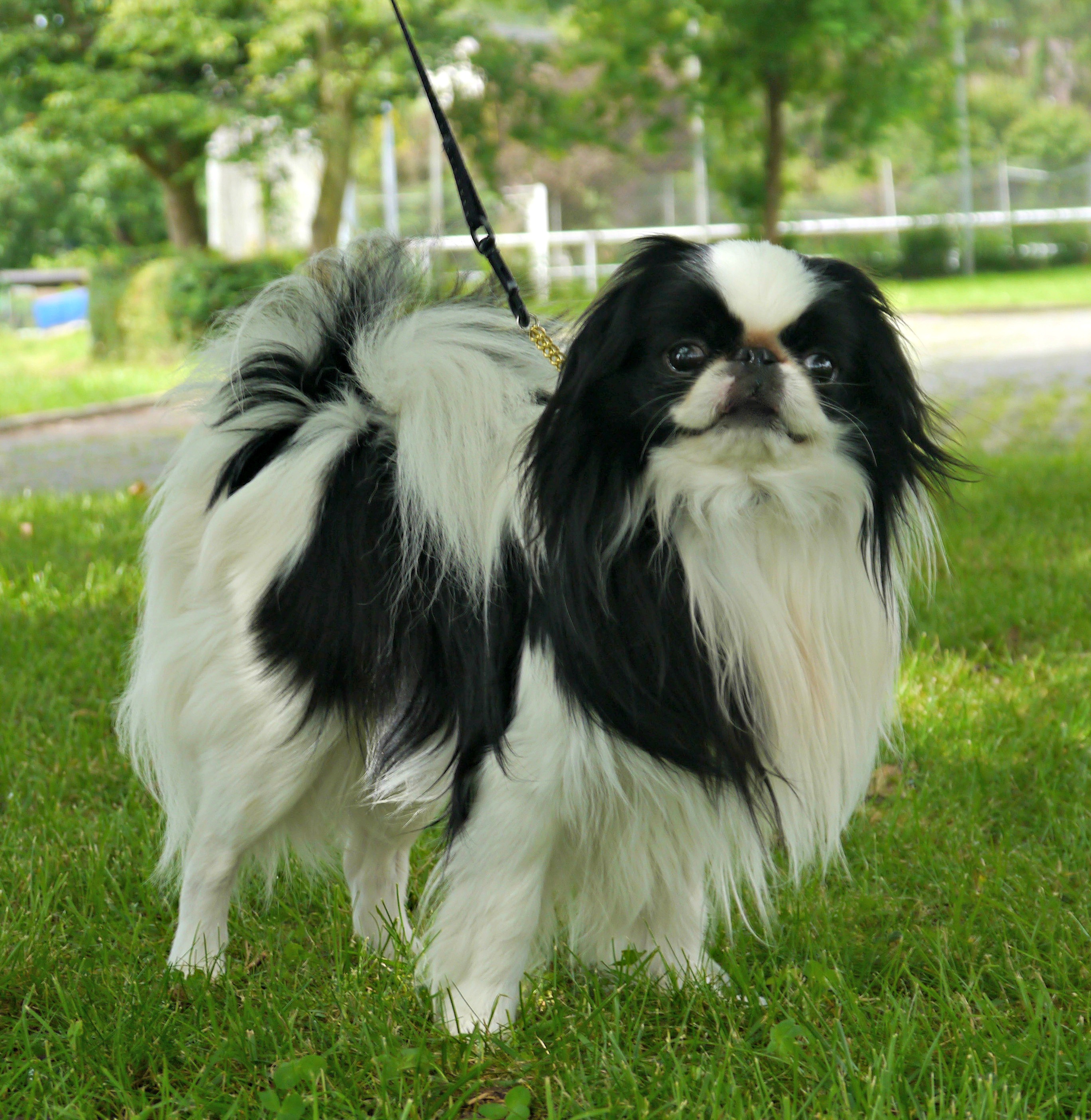
About the Japanese Chin
The Japanese Chin, once commonly referred to as the Japanese Spaniel, is a distinguished member of the Kennel Club's Toy group. Despite its name, historic evidence suggests the breed originated in the Chinese imperial courts before being gifted to Japanese royalty. Over centuries, these dogs were refined specifically to serve as lap dogs and companions, resulting in a breed that embodies grace, sensitivity, and a surprisingly feline personality.
In the United Kingdom, the Japanese Chin has long been a favourite among those seeking a sophisticated indoor companion. They are characterised by their large, wide-set eyes, a short muzzle with a slightly upturned nose, and a profuse, silky coat. Unlike many small breeds that can be high-strung, the Chin is renowned for its calm, almost meditative temperament. They are often described as 'cat-like' because of their propensity to climb onto high surfaces and their meticulous self-cleaning habits.
While they are certainly affectionate, the Japanese Chin retains a degree of independence. They are loyal to their family but can be wary or aloof with strangers, maintaining a haughty expression that reflects their noble heritage. Their small size makes them ideal for flat living, provided they receive the appropriate level of social interaction and gentle exercise.
Quick Facts
* Kennel Club Group: Toy
* Size: Small (approximately 20-27cm at the shoulder)
* Weight: Ideally 3.2kg to 5kg
* Lifespan: 10 to 12 years, often longer with excellent care
* Coat Type: Long, straight, and silky with no undercoat
* Colours: Black and white or red and white (including sable, lemon, or orange shades)
* Temperament: Intelligent, affectionate, and quiet
* Exercise needs: Low to moderate
Training & Care Tips
Training a Japanese Chin requires a gentle touch and plenty of patience. They are intelligent dogs that respond poorly to harsh corrections or loud voices. Positive reinforcement, particularly using small, tasty treats and verbal praise, is the most effective way to engage their interest. It is important to remember that while they are smart, they can be independent thinkers; if a task bores them, they may simply choose not to participate.
Socialisation is a vital aspect of their early training. Because they can be naturally reserved, exposing them to various sights, sounds, and people during their first few months will help them grow into confident adults. They are sensitive to the atmosphere of a household and will thrive in a calm, predictable environment where they feel secure.
In terms of grooming, the Japanese Chin's coat is surprisingly manageable despite its luxurious appearance. Because they have a single layer of fur with no thick undercoat, they do not mat as easily as some other long-haired breeds. A thorough brushing twice a week is usually sufficient to remove loose hair and keep the coat looking its best. Special attention should be paid to the 'trousers' on their hind legs and the feathers on their ears and tail.
Exercise requirements are modest, making them perfect companions for city dwellers or less active owners. A daily walk around the local park or a dedicated session of indoor play will satisfy their physical needs. However, owners should be mindful of the weather; due to their short muzzles, they can struggle to regulate their temperature in hot conditions and are prone to overheating.
Puppy Tips
When bringing a Japanese Chin puppy home, the first priority should be safety. Their small size makes them vulnerable to being stepped on or injured by larger pets. Ensure your home and garden are secure, and provide a quiet 'den' area where the puppy can retreat when they need to rest. Puppies of this breed can be quite adventurous, often attempting to jump onto furniture that is too high for their developing joints.
House training may take slightly longer than with some other breeds, as small toy dogs have small bladders. Consistency is key; take your puppy outside after every meal, nap, or play session. Use a specific cue word and reward them immediately when they succeed. Given the British weather, you may find your Chin is reluctant to go outside in the rain; providing a sheltered area in the garden can help during the winter months.
Introduce grooming habits as early as possible. Handle their paws, check their ears, and gently brush their coat while they are young so they become accustomed to the routine. This prevents grooming sessions from becoming a source of stress as they grow older. It is also an excellent time to start a dental care routine, as small breeds are often prone to dental crowding.
Health
The Japanese Chin is generally a healthy breed, but like all purebred dogs, they have certain predispositions. Their prominent eyes are one of their most beautiful features but are also susceptible to scratches and irritation. Periodic checks for redness or discharge are essential, and any signs of discomfort should be addressed promptly by a vet.
Being a brachycephalic (flat-faced) breed, the Chin can experience respiratory issues. This is most noticeable during strenuous exercise or in humid weather. Responsible breeders screen for heart conditions, such as Mitral Valve Disease, and Patellar Luxation, where the kneecap slips out of place. Ensuring your puppy comes from a Kennel Club Assured Breeder who performs these health checks is the best way to ensure a healthy companion.
Maintaining a healthy weight is crucial for this breed. Even a small amount of excess weight can put undue pressure on their small frame and exacerbate breathing difficulties. Monitor their food intake and resist the urge to over-indulge them with scraps from the table, no matter how persuasively they look at you with their large, dark eyes.
Advice for Owners
Owning a Japanese Chin is a unique experience often described as being more like living with a cat than a dog. They will seek out the highest point in the room to observe their kingdom and will frequently wash their faces with their paws. If you are looking for a dog that is boisterous or thrives on rough-and-tumble play, the Chin may not be the right choice. However, for those who value quiet companionship and an elegant presence, they are unmatched.
They do best in households where they are not left alone for very long periods. While they are independent, they are deeply devoted to their owners and can suffer from separation anxiety if excluded from daily life. They are excellent pets for retirees or those who work from home and can provide the constant, quiet companionship they crave.
Finally, always use a harness rather than a collar for walks. Because of their delicate necks and potential for respiratory issues, a harness distributes pressure more safely across the chest. With the right care, a calm environment, and plenty of love, the Japanese Chin will be a loyal and enchanting member of your household for many years to come.
---
Disclaimer
The information in this breed guide is compiled from multiple professional sources, including The Kennel Club, veterinary references, and breed-specific organisations. It is intended for general educational purposes only and is not a substitute for advice from a qualified veterinarian or accredited breeder. Always consult a professional regarding your individual dog's health, training, and care needs.