Dogue de Bordeaux Breed Guide: Facts, Tips & Health
Discover the loyal, powerful, and gentle Dogue de Bordeaux. This comprehensive guide covers the care, training, and health needs of France's historic mastiff breed.
By By PetNetUK ·
About the Dogue de Bordeaux
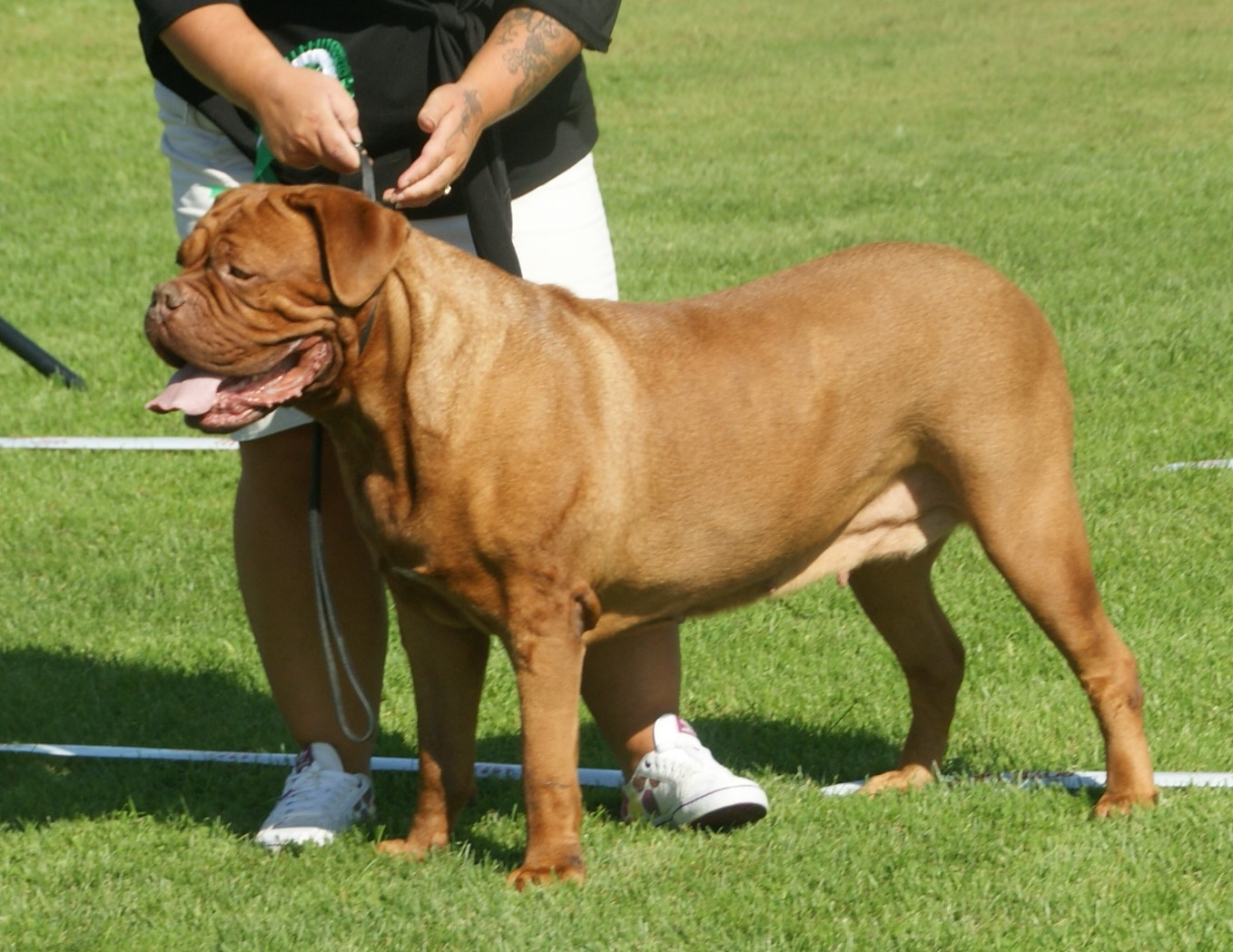
The Dogue de Bordeaux, often referred to as the French Mastiff or Bordeauxdog, is one of the most ancient French breeds. Renowned for its massive head and powerful, muscular build, this breed is a true giant of the canine world. Despite its somewhat formidable appearance, the Dogue de Bordeaux is famously loyal and deeply attached to its family. Historically, these dogs were used for a variety of demanding roles, including guarding estates, hunting large game, and even driving livestock. Today, they are cherished companions known for their calm and affectionate temperament within the home.
Physically, the Dogue de Bordeaux is a brachycephalic mastiff, meaning it has a short muzzle and a characteristic wrinkled face. Their coat is short, fine, and soft to the touch, typically appearing in various shades of fawn, from light toasted shades to deep mahogany. A hallmark of the breed is its impressive bone structure and a body that is slightly longer than it is tall. Because of their sheer size and strength, they require a confident owner who understands the dynamics of living with a giant breed.
In terms of personality, the Dogue de Bordeaux is often described as a 'gentle giant.' While they can be wary of strangers—making them excellent natural guardians—they are incredibly sweet-natured with their inner circle. They tend to be patient with children, though their size alone means they should always be supervised around smaller family members. They are not known for high energy levels, often preferring a comfortable sofa to a long hike, but they still require consistent mental and physical stimulation to remain healthy and happy.
Quick Facts
* Kennel Club Group: Working
* Origin: France
* Lifespan: 5 to 8 years
* Height: 58cm to 68cm
* Weight: 45kg to 50kg+ (males can be considerably larger)
* Coat Type: Short, fine, and smooth mahogany or fawn fur
* Temperament: Courageous, loyal, calm, and protective
* Exercise Needs: Moderate; approximately 45-60 minutes of walking daily
Training & Care Tips
Training a Dogue de Bordeaux requires a firm yet gentle hand. Because of their intelligence and occasional stubborn streak, they respond best to positive reinforcement and reward-based training. Harsh methods should never be used, as this breed is surprisingly sensitive and may become withdrawn. Early socialisation is paramount. Exposing your Dogue to different people, sights, and sounds from a young age ensures they grow into a well-adjusted adult dog that is calm in various environments.
In terms of daily care, grooming requirements are relatively low. Their short coat needs a weekly brush with a rubber mitt to remove loose hairs and maintain skin health. However, their facial wrinkles require regular attention. Folds around the muzzle and eyes should be cleaned frequently with a damp cloth to prevent infections or dermatitis. Owners must also be prepared for a fair amount of drool, especially after eating or drinking, so keeping a 'slobber cloth' handy is a staple of Dogue ownership.
Exercise should be managed carefully, particularly when the dog is young. While they enjoy a daily walk, they are not suited for strenuous long-distance running or high-impact activities. Due to their brachycephalic nature, they can struggle with overheating. During the summer months, it is vital to walk your Dogue in the early morning or late evening when temperatures are cooler. Always ensure they have access to shade and fresh water.
Puppy Tips
Purchasing a Dogue de Bordeaux puppy is a long-term commitment that begins with finding a responsible, Kennel Club-registered breeder. Because this breed can suffer from various hereditary conditions, ensuring the parents have been health screened is essential. When you bring your puppy home, focus on building a bond through play and gentle handling. Avoid letting your puppy jump off furniture or run on slippery floors, as their heavy bones and joints are still developing and can be easily damaged.
Crate training can be particularly beneficial for Dogue puppies, providing them with a safe space and aiding in house training. However, ensure the crate is large enough to accommodate their rapid growth. Puppies require a high-quality diet formulated specifically for giant breeds to ensure they grow at a steady, healthy rate. Growing too quickly can lead to skeletal issues later in life, so consult your vet regarding the best nutritional path for your new arrival.
Health
Like many giant breeds, the Dogue de Bordeaux has a shorter lifespan than smaller dogs. Their health journey requires proactive management. One of the most significant concerns for the breed is Gastric Torsion, commonly known as bloat. This is a life-threatening condition where the stomach twists. To mitigate this risk, owners are advised to feed smaller, frequent meals rather than one large one and to avoid vigorous exercise immediately before or after feeding.
Joint issues, such as hip and elbow dysplasia, are also common in the breed. Maintaining a healthy weight is the most effective way to reduce the strain on their joints. Furthermore, because of their facial structure, they can be prone to respiratory issues and eye conditions such as ectropion (droopy eyelids). Regular veterinary check-ups are essential to catch any developing issues early and to ensure your Dogue remains comfortable throughout their life.
Advice for Owners
Owning a Dogue de Bordeaux is a rewarding experience, but it is not a decision to be taken lightly. Prospective owners must consider the financial implications of giant breed ownership, from the cost of food to higher premiums for pet insurance and veterinary treatments. Everything is simply 'larger' with a Dogue, including the beds, crates, and the space they occupy in your car and home.
If you value a tidy, drool-free house, this may not be the breed for you. However, if you are looking for a devoted companion who will offer unwavering loyalty and a calm presence, the Dogue de Bordeaux is hard to beat. They thrive on human companionship and do not like being left alone for long periods. They are best suited to households where someone is home for most of the day.
Finally, remember that while they are calm indoors, their strength is immense. Lead training should be a priority from day one to ensure you can safely manage them in public. A well-trained, well-socialised Dogue de Bordeaux is a magnificent ambassador for the breed and a truly impressive member of the family. Dedicate the time to their upbringing, and you will be rewarded with a courageous and loving friend for life.
---
Disclaimer
The information in this breed guide is compiled from multiple professional sources, including The Kennel Club, veterinary references, and breed-specific organisations. It is intended for general educational purposes only and is not a substitute for advice from a qualified veterinarian or accredited breeder. Always consult a professional regarding your individual dog's health, training, and care needs.