French Bulldog Breed Guide: Facts, Tips & Health
Discover why the French Bulldog is one of the UK's most popular companions. Learn about their affectionate nature, exercise needs, and essential health considerations.
By By PetNetUK ·
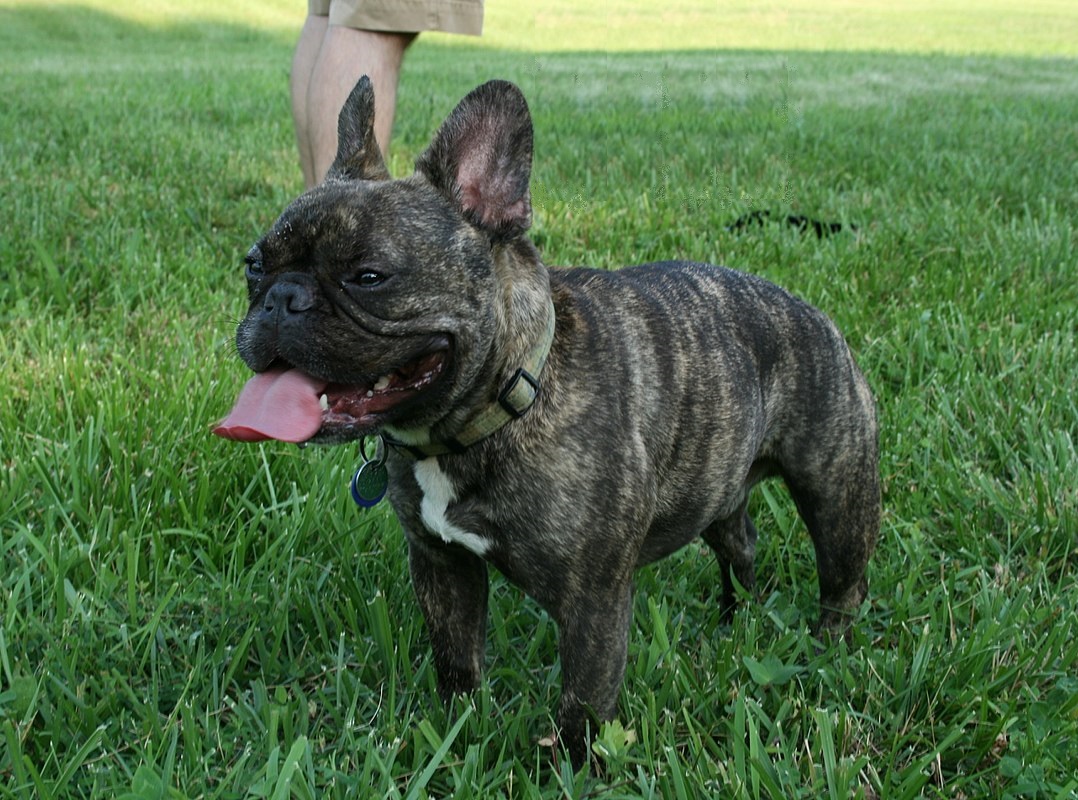
About the French Bulldog
The French Bulldog, affectionately known as the 'Frenchie', is a small yet sturdy companion dog with a distinct personality. Despite its name, this breed has international roots. It originated in the mid-nineteenth century in Paris, developed by cross-breeding Toy Bulldogs imported by lace-workers from Nottingham, England, with local Parisian ratters. Originally intended as a companion for the working class, the breed quickly captured the hearts of French high society and eventually the world.
Characterised by their large 'bat' ears and compact, muscular build, Frenchies are classified under the Kennel Club's Utility group. They are renowned for their affectionate and sociable temperament. Unlike many other small breeds, they are not typically 'yappy', preferring to express themselves through a series of snorts, grunts, and the occasional howl. Their adaptable nature makes them equally at home in a city flat or a larger family house, provided they have constant human company.
In recent years, the French Bulldog has consistently sat near the top of the UK's most registered dog breeds. This popularity is due to their charming looks and low-maintenance exercise requirements. However, potential owners must understand that their unique appearance is the result of selective breeding for a flat face, which necessitates careful management regarding their health and lifestyle.
Quick Facts
* Kennel Club Group: Utility
* Average Lifespan: 10 to 12 years
* Height: Roughly 27cm to 30cm at the shoulder
* Weight: Ideally 11kg to 12.5kg for males; 9kg to 11kg for females
* Coat Type: Short, smooth, and easy to maintain
* Common Colours: Brindle, fawn, and pied (white with patches)
* Activity Level: Low to moderate
* Temperament: Patient, playful, and deeply affectionate
Training & Care Tips
Training a French Bulldog requires patience and a gentle touch. While they are intelligent and eager to please those they love, they can also possess a stubborn streak. Positive reinforcement techniques, such as using small treats and plenty of praise, work best. Avoid harsh corrections, as this breed can be quite sensitive and may shut down if they feel they are being treated unfairly.
Socialisation is vital from a young age. Although Frenchies are generally friendly, exposing them to different people, dogs, and environments helps prevent them from becoming overly protective or anxious. Enrolling in a local puppy class is an excellent way to start their education while building a strong bond between dog and owner.
In terms of daily care, their grooming needs are minimal. A weekly brush with a rubber mitt will remove loose hair and keep their coat shining. However, their skin wrinkles—particularly those on the face—require regular attention. Use a damp cloth or specialized pet wipes to clean between the folds, ensuring the area is dried thoroughly afterwards to prevent infections or sores.
Puppy Tips
When looking for a French Bulldog puppy, it is imperative to find a Kennel Club Assured Breeder. Due to their high demand, Frenchies are often targeted by unscrupulous breeders. A responsible breeder will prioritize the health of the parents and will be happy to show you the mother and the environment where the puppies were raised. They should also provide documentation for relevant health screenings conducted on the parents.
Be prepared for the financial commitment that goes beyond the initial purchase price. French Bulldogs can be expensive to insure due to their known health risks. Additionally, puppy-proofing your home is essential. Frenchies are curious and may try to chew on household items or squeeze into small spaces. Ensure your garden is secure and that any potentially toxic plants or chemicals are moved out of reach.
Health
As a brachycephalic (flat-faced) breed, the French Bulldog is susceptible to several health issues that owners must monitor. Their facial structure can lead to Brachycephalic Obstructive Airway Syndrome (BOAS), which may cause difficulty breathing, particularly during exercise or in hot weather. It is crucial to keep them lean, as excess weight significantly worsens breathing difficulties.
Their prominent eyes are also prone to conditions such as ulcers and 'cherry eye'. Because their eyes sit further forward than those of other breeds, they are easily scratched during play or walks in long grass. Regular checks and immediate veterinary attention for any redness or discharge are necessary to maintain their eye health.
Joint and spinal issues, such as Intervertebral Disc Disease (IVDD) and hip dysplasia, are also seen in the breed. To protect their spine, it is advisable to prevent your Frenchie from jumping off high sofas or beds. Using pet stairs or ramps can help reduce the impact on their joints and back as they age.
Advice for Owners
Life with a French Bulldog is full of laughter, but it requires a commitment to their specific needs. One of the most important rules is to never allow your Frenchie to over-exert itself in warm weather. Because they cannot pant as efficiently as long-nosed dogs, they are highly susceptible to heatstroke. During the summer months, walks should be kept very short and conducted in the early morning or late evening when temperatures are coolest.
Dietary management is another key responsibility. Frenchies are prone to obesity, which puts undue stress on their hearts and joints. Measure their food carefully and limit treats, even when they use their expressive eyes to beg. A high-quality, protein-rich diet tailored to their life stage will help maintain a healthy weight and skin condition.
Finally, remember that French Bulldogs are true companion animals. They do not thrive when left alone for long periods and can develop separation anxiety. If you work long hours away from home, this may not be the right breed for you. However, for those who can provide the time and care they require, the French Bulldog offers a level of devotion and charm that is hard to match in the canine world.
---
Disclaimer
The information in this breed guide is compiled from multiple professional sources, including The Kennel Club, veterinary references, and breed-specific organisations. It is intended for general educational purposes only and is not a substitute for advice from a qualified veterinarian or accredited breeder. Always consult a professional regarding your individual dog's health, training, and care needs.