Pyrenean Sheepdog (Long-Haired) Breed Guide: Facts, Tips & Health
Discover the Pyrenean Sheepdog, an energetic and intelligent pastoral breed from the French mountains that excels in agility and loyal companionship for active households.
By By PetNetUK ·
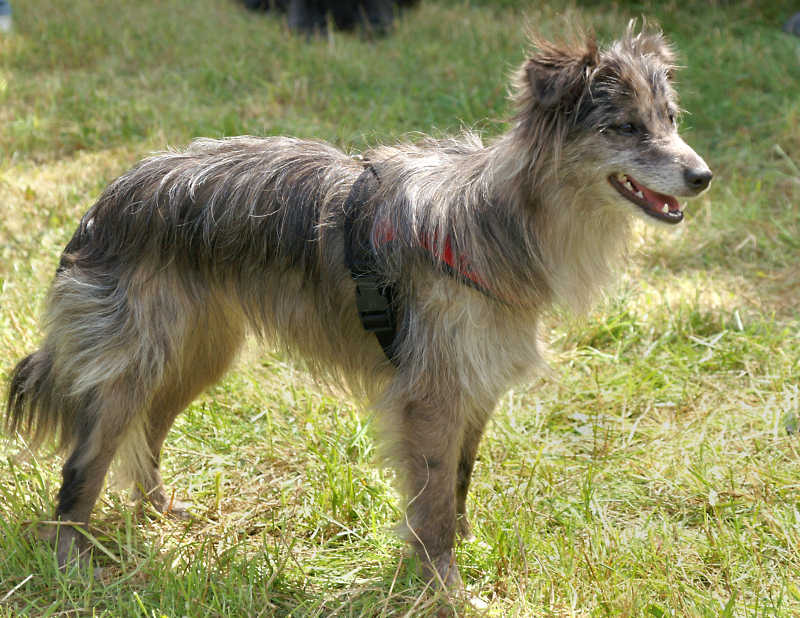
About the Pyrenean Sheepdog (Long-Haired)
The Pyrenean Sheepdog, known in its homeland as the Chien de Berger des Pyrénées, is a small to medium-sized herding dog with a rich history rooted in the Pyrenees Mountains of France. For centuries, these remarkable dogs have worked alongside shepherds, expertly managing flocks of sheep across rugged terrain. While their counterpart, the much larger Pyrenean Mountain Dog, acted as the formidable flock guardian, the Pyrenean Sheepdog was the tireless engine driving the movement of the livestock.
Characterised by their mischievous expression and abundant energy, the Long-Haired variety is distinguished by its unique coat texture. This breed is often described as a 'ball of fire' because of its lightning-fast reflexes and unwavering work ethic. Despite their modest size, they possess a large personality and an intense devotion to their owners, making them exceptional companions for those who can keep up with their demanding lifestyle.
In the UK, they are classified within the Pastoral group by the Kennel Club. They remain relatively rare compared to other herding breeds, but they are gaining popularity among enthusiasts of canine sports like agility and flyball. Their lean, athletic build allows them to navigate complex courses with a level of speed and precision that is truly captivating to watch.
Quick Facts
* Height: Roughly 40cm to 48cm at the withers for males; females slightly smaller.
* Weight: Usually ranges between 8kg and 15kg.
* Coat Type: Long or semi-long, naturally harsh and slightly wavy. Hair on the face should be 'wind-swept', pointing backwards.
* Colours: Fawn is most common, but they also appear in grey, blue, and various brindled or black patterns.
* Life Expectancy: A hardy breed often living between 12 and 15 years.
* Energy Level: Extremely high; they require significant physical and mental stimulation daily.
* Temperament: Attentive, cautious of strangers, highly intelligent, and deeply loyal.
Training & Care Tips
Training a Pyrenean Sheepdog requires a firm but fair hand. They are incredibly bright and learn new commands with ease, but their independent streak means they need consistent guidance. Positive reinforcement is essential. Because they are sensitive to their owner's tone of voice, harsh corrections will often cause them to shut down. Instead, focus on rewarding their eagerness to please with treats and praise.
Socialisation is perhaps the most critical aspect of their early training. Naturally wary of strangers, these dogs must be exposed to various people, sights, and sounds from a young age to prevent them from becoming overly timid or reactive. They have a strong instinct to herd, which might manifest as nipping at heels or chasing moving objects like bicycles. Redirecting this energy into games or structured tasks is vital for a harmonious household.
Regarding grooming, the Long-Haired variety requires regular attention to prevent matting. A thorough brush once or twice a week is usually sufficient, though you must pay close attention to the fine hair behind the ears and on the legs. Interestingly, their coat is designed to be weather-resistant and rugged, so over-bathing should be avoided to preserve the natural oils that protect their skin.
Puppy Tips
When bringing a Pyrenean Sheepdog puppy home, preparation is key. This breed is notoriously active from a young age, so your home should be securely fenced and cleared of any hazards. Establishing a routine immediately will help them feel secure in their new environment. Because they are a vocal breed, early ‘quiet’ training can help manage their tendency to alert you to every passing leaf or postman.
Finding a reputable breeder is paramount. Ensure the breeder is registered with the Kennel Club and has conducted all relevant health screenings for the parents. Ask to see the mother with the litter to gauge her temperament, as this is often a good indicator of how the puppies will develop. Avoid puppy mills or unlicensed sellers who cannot provide clear health documentation.
Health
Generally, the Pyrenean Sheepdog is a robust and healthy breed with few breed-specific genetic issues. However, like many purebred dogs, they can be prone to certain conditions. Prospective owners should be aware of Hip Dysplasia, a condition where the hip joint doesn't fit together perfectly, which can lead to arthritis later in life. Responsible breeders will have their breeding stock hip-scored to minimise this risk.
Eye conditions, including Progressive Retinal Atrophy (PRA), are occasionally noted in the breed. Additionally, Patellar Luxation (dislocation of the kneecap) can occur in smaller pastoral breeds. Regular veterinary check-ups, a balanced diet, and maintaining a healthy weight are the best ways to ensure your dog remains in peak condition throughout their life.
Advice for Owners
Owning a Pyrenean Sheepdog is a significant commitment that goes beyond the standard walk around the block. This breed thrives in the countryside or houses with large, secure gardens. They are not well-suited to sedentary lifestyles or families who are away from home for long periods. If they become bored, they will find their own entertainment, which often involves destructive chewing or excessive barking.
For the right owner—someone active, outdoorsy, and interested in dog training—the Pyrenean Sheepdog is a rewarding and spirited friend. They create an unbreakable bond with their family and will follow you from room to room, always ready for the next adventure. If you are looking for a dog that is small enough to fit in the car but spirited enough to hike the fells all day, this French shepherd may be the perfect match.
---
Disclaimer
The information in this breed guide is compiled from multiple professional sources, including The Kennel Club, veterinary references, and breed-specific organisations. It is intended for general educational purposes only and is not a substitute for advice from a qualified veterinarian or accredited breeder. Always consult a professional regarding your individual dog's health, training, and care needs.