Pyrenean Mastiff Breed Guide: Facts, Tips & Health
Discover the Pyrenean Mastiff, a gentle giant from the Spanish Pyrenees. Learn about its heritage, calm temperament, and essential care requirements for life in a UK home.
By By PetNetUK ·
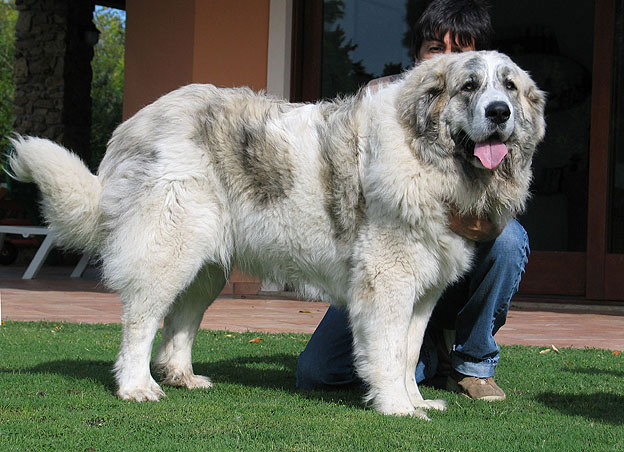
About the Pyrenean Mastiff
The Pyrenean Mastiff, or Mastín del Pirineo, is an ancient Spanish breed hailing from the autonomous community of Aragón in north-eastern Spain. Historically, these magnificent dogs were the backbone of the sheep-farming industry, tasked with protecting flocks during the annual transhumance. This involved moving large numbers of sheep to the high summer pastures in the Pyrenees. Their primary role was to defend against predators like wolves and bears, requiring a body that was both powerful and resilient.
It is important to distinguish this breed from its relatives. The Pyrenean Mastiff is a distinct breed, separate from the Spanish Mastiff (Mastin Español) and the more common Pyrenean Mountain Dog. While they share a snowy heritage with the Pyrenean Shepherd, the Mastiff is a heavyweight guardian rather than a nimble herder. They are characterised by their massive size, thick white coat with darker patches, and a remarkably noble, serene expression that belies their strength.
In a modern setting, the breed is known for its steady temperament. They are not prone to nervous aggression but possess a natural guarding instinct that makes them wary of strangers until properly introduced. Within the family unit, they are often described as 'gentle giants'—patient with children and fiercely loyal to their owners. They thrive in a calm environment where they are treated as part of the family pack.
Quick Facts
- Kennel Club Group: Working
- Size: Large to Giant (males often exceed 77cm at the shoulder; females exceed 72cm)
- Weight: Typically ranging from 70kg to 100kg depending on sex and build
- Lifespan: 10 to 12 years
- Coat: Dense, thick, and moderately long; white is the primary colour with a distinct mask and patches
- Temperament: Intelligent, brave, calm, and protective
- Exercise Needs: Moderate; they require steady daily walks but are not high-energy athletes
- Shedding: High; they have a thick double coat that requires regular maintenance
Training & Care Tips
Training a Pyrenean Mastiff requires a firm but fair approach. Because of their size, it is vital that they are well-mannered on a lead from an early age; an adult weighing 80kg is impossible to control through physical strength alone. They are intelligent and independent thinkers, which means they can sometimes be stubborn if they do not see the point of a command. Use positive reinforcement and keep training sessions short and engaging to maintain their interest.
Socialisation is perhaps the most critical aspect of their training. From the moment they arrive home, they should be introduced to various sights, sounds, and people. While they are naturally protective, early exposure ensures they can distinguish between a normal social interaction and a genuine threat. Without this, their guarding instinct can become over-developed, leading to a dog that is overly suspicious of visitors.
In terms of daily care, grooming is a significant commitment. Their thick double coat requires thorough brushing at least twice a week to remove loose fur and prevent matting. During shedding seasons in the spring and autumn, daily brushing will be necessary. Pay close attention to the hair around their ears and the long feathering on their legs. Additionally, check their ears regularly for wax build-up and keep their nails trimmed to prevent discomfort during walking.
Puppy Tips
When bringing a Pyrenean Mastiff puppy home, the primary focus must be on controlled growth. Large breeds are susceptible to joint and bone issues if they grow too quickly or are over-exercised during their first year. Avoid high-impact activities like jumping or long treks on hard surfaces. Instead, opt for short, gentle play sessions and steady walks that gradually increase in length as the puppy matures.
Dietary management is equally important. It is recommended to use a high-quality puppy food specifically formulated for giant breeds. This ensures the correct ratio of calcium and phosphorus, promoting a steady growth rate rather than a rapid spurt. Overfeeding is a common mistake; keeping a puppy lean helps reduce the stress on their developing skeleton. Consult with your breeder or vet to establish a feeding schedule that supports their specific needs.
Health
Generally, the Pyrenean Mastiff is a robust and hardy breed, but like all giant dogs, they have certain predispositions. Gastric Torsion, commonly known as bloat, is a serious concern. This occurs when the stomach twists, and it can be fatal if not treated immediately. To mitigate this risk, owners often use slow-feed bowls and ensure the dog rests for at least an hour before and after meals.
Hip and Elbow Dysplasia are also common in larger breeds. When sourcing a puppy, ensure that the parents have been health-tested and have good hip and elbow scores. Ectropion and Entropion (eyelid issues) are occasionally seen due to the loose skin around the eyes; these can usually be managed or corrected by a vet if they cause irritation or affect the dog's vision.
Regular veterinary check-ups and maintaining a healthy weight are the best ways to ensure a long life. Because they are a 'stoic' breed, they may not always show signs of pain or discomfort immediately, so owners must be observant of any changes in gait, appetite, or energy levels.
Advice for Owners
Prospective owners must consider the space requirements of such a large animal. While they are relatively inactive indoors, they need room to stretch out comfortably. A small flat is rarely suitable for a Pyrenean Mastiff; a house with a secure, large garden is much more appropriate. They also tend to drool, especially after eating or drinking, so having a 'slobber cloth' nearby is a practical necessity for any household containing this breed.
The cost of ownership is another vital factor. From high-quality food in large quantities to more expensive flea and worming treatments, the financial commitment is significantly higher than that of a medium-sized dog. Pet insurance premiums also tend to be higher for giant breeds. Before committing, ensure your budget can accommodate these ongoing expenses.
Finally, the Pyrenean Mastiff is a companion that requires time and presence. They do not thrive if left alone in a kennel or garden for long periods. They want to be with their 'flock'—their human family. If you have the space, the time for grooming, and the patience for a large-scale puppyhood, you will be rewarded with one of the most loyal and protective companions in the canine world.
---
Disclaimer
The information in this breed guide is compiled from multiple professional sources, including The Kennel Club, veterinary references, and breed-specific organisations. It is intended for general educational purposes only and is not a substitute for advice from a qualified veterinarian or accredited breeder. Always consult a professional regarding your individual dog's health, training, and care needs.