Schipperke Breed Guide: Facts, Tips & Health
Discover the Schipperke, the petite 'little captain' of the canine world. This Belgian breed combines the intelligence of a sheepdog with the curious spirit of a spitz.
By By PetNetUK ·
About the Schipperke
The Schipperke is a distinctive, small breed of dog with a rich heritage originating in Flanders. Often referred to as the 'Little Captain' due to their history as watchdogs on canal barges, their name literally translates to 'little shepherd' in the Flemish dialect. Historically documented as far back as the 1600s, these dogs were once the favoured companions of guildsmen and tradespeople, serving as both vermin hunters and vigilant guardians of property.
While their appearance may suggest a miniature sheepdog, recent DNA research has clarified their lineage, showing a very close relationship to the Spitz family. This connection is evident in their thick double coat, fox-like expression, and curled tail. In their native Belgium, however, they are still categorised under the shepherd group, reflecting their tireless work ethic and high intelligence.
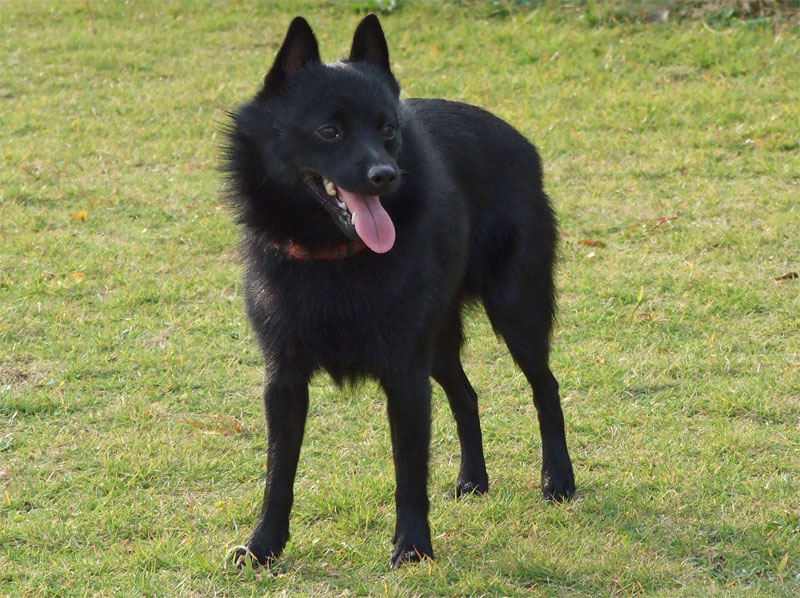
Physically, the Schipperke is a small, thickset dog with a silhouette that is entirely unique. They are most famous for their jet-black coat, which forms a characteristic ruff around the neck and 'culottes' on the back of the thighs. Despite their small stature, they possess a robust constitution and a bold, inquisitive personality that makes them stand out in any crowd.
Quick Facts
* Kennel Club Group: Utility
* Origin: Belgium (Flanders)
* Size: Small (typically 3kg to 9kg)
* Lifespan: 13 to 15 years
* Coat: Thick, harsh double coat; typically solid black
* Temperament: Alert, curious, independent, and loyal
* Energy Level: High; they require significant mental and physical stimulation
* Nicknames: The Little Captain, L'Ecorcheur (the barker)
Training & Care Tips
Training a Schipperke requires a blend of patience and firm, consistent leadership. Due to their high intelligence and independent nature, they can occasionally be wilful. They respond best to positive reinforcement techniques, such as food rewards and play, rather than harsh corrections. Because they were bred to be watchdogs, they are naturally vocal; early 'quiet' training is essential to ensure their barking does not become a nuisance to neighbours.
Socialisation is paramount for this breed. They should be exposed to a wide variety of people, sounds, and other dogs from a young age. Without proper socialisation, their natural guarding instinct can lead to over-cautiousness or suspiciousness around strangers. They are excellent problem solvers, so incorporating puzzle toys and scent games into their daily routine will help prevent boredom-induced mischief.
In terms of grooming, the Schipperke is relatively low maintenance for most of the year. Their thick double coat is somewhat self-cleaning and does not have a strong 'doggy' odor. Weekly brushing is usually sufficient to remove loose hair. However, they do undergo a heavy seasonal moult—often referred to as 'blowing' their coat—at which point daily brushing will be required to manage the significant amount of undercoat being shed.
Exercise needs are surprisingly high for a dog of this size. A brisk daily walk is a minimum requirement, but they also thrive in dog sports such as agility, obedience, or flyball. Their agile bodies and quick minds make them natural competitors. Owners should ensure their gardens are securely fenced, as the Schipperke's inquisitive nature and prey drive may lead them to wander off in pursuit of a squirrel or interesting scent.
Puppy Tips
When bringing a Schipperke puppy home, it is important to remember that they are remarkably active and curious. Puppy-proofing your house is essential, as their small size allows them to squeeze into tight spaces you might not expect. Ensure all electrical cables are tucked away and that no small objects are left on the floor, as Schipperke puppies tend to explore the world with their mouths.
Early crate training is highly recommended. Not only does it assist with house-training, but it also provides the puppy with a safe haven where they can rest undisturbed. Because these dogs are so energetic, they often find it difficult to switch off; a crate helps teach them that there is a time for activity and a time for calm.
Begin lead training as soon as your puppy is fully vaccinated. Schipperkes are naturally inclined to pull if they find something interesting ahead of them. Using a harness rather than a collar can be better for their delicate necks during the learning phase. Consistency amongst all family members regarding house rules—such as whether the dog is allowed on the sofa—will help your puppy settle in quickly and understand their place in the household.
Health
The Schipperke is generally a healthy and long-lived breed with few genetic predispositions. However, like all breeds, there are certain conditions that prospective owners should be aware of. Responsible breeders will screen their breeding stock for known issues to ensure the healthiest possible litters.
One specific condition found in the breed is Mucopolysaccharidosis Type IIIB (MPS IIIB), a rare metabolic disorder. Fortunately, a DNA test is available for this, and reputable UK breeders should be able to provide clearance certificates for the parents of their puppies. Other conditions occasionally seen include hip dysplasia and luxating patella (where the kneecap slips out of place), though these are less common than in some other small breeds.
Eye health is another area to monitor, with occasional reports of cataracts or progressive retinal atrophy (PRA). Regular veterinary check-ups and maintaining a healthy weight are the best ways to ensure your Schipperke remains in peak condition throughout their life. Due to their active nature, they can burn through calories quickly, but always monitor their food intake to avoid obesity, which can put unnecessary strain on their joints.
Advice for Owners
Owning a Schipperke is a rewarding experience, but it is not necessarily the right choice for every household. They are best suited to active individuals or families who can dedicate time to their mental and physical needs. If you are looking for a lethargic lapdog, the Schipperke may be a surprise, as they remain playful and active well into their senior years.
Consistency is the key to a happy life with a Schipperke. They are 'big dogs in small bodies' and will quickly take charge of a household if they sense a lack of leadership. Set clear boundaries from day one and stick to them. Their loyalty to their family is immense; they often become particularly attached to one person, following them from room to room—a trait common in many sheepdog and spitz breeds.
Finally, embrace their unique personality. The Schipperke is often described as mischievous and 'busy'. They will want to be involved in everything you do, whether it is gardening, cleaning, or relaxing. For the right owner, their intelligence, spirit, and striking looks make them one of the most rewarding companions in the Utility group. If you can provide the stimulation they crave, you will have a vigilant and devoted friend for many years to come.
---
Disclaimer
The information in this breed guide is compiled from multiple professional sources, including The Kennel Club, veterinary references, and breed-specific organisations. It is intended for general educational purposes only and is not a substitute for advice from a qualified veterinarian or accredited breeder. Always consult a professional regarding your individual dog's health, training, and care needs.