Norfolk Terrier Breed Guide: Facts, Tips & Health
Small but mighty, the Norfolk Terrier is a spirited companion known for its drop ears and courageous heart. Discover how to care for this tenacious British working terrier.
By By PetNetUK ·
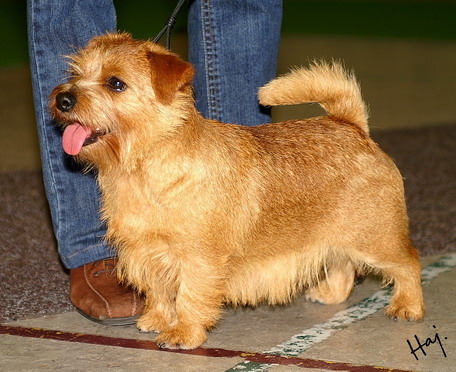
About the Norfolk Terrier
The Norfolk Terrier is a quintessential British breed, celebrated for its spirited personality and compact, sturdy build. Historically, the Norfolk was considered a variety of the Norwich Terrier, with the two only being formally recognised as separate breeds by the Kennel Club in 1964. The primary physical distinction lies in their ears; while the Norwich has 'prick ears' that stand upright, the Norfolk is defined by its 'drop ears' which fold neatly forward. Together, they hold the title of the smallest of the working terriers.
Despite their diminutive stature, Norfolk Terriers were originally bred to hunt vermin and bolt foxes from their dens. This heritage has left them with an incredibly brave and tenacious temperament. They are not 'lap dogs' in the traditional sense, though they are deeply affectionate with their families. A Norfolk is just as happy chasing a ball in the garden as they are curling up on the sofa after a long walk in the countryside.
Socially, the Norfolk Terrier is often more gregarious than other terrier breeds. They tend to be less quarrelsome with other dogs and generally enjoy being part of a pack or a busy household. However, their high prey drive remains a core part of their identity. Owners must be mindful of this instinct when in open spaces, as a Norfolk will rarely pass up the opportunity to investigate a scent or chase a squirrel.
Quick Facts
* Kennel Club Group: Terrier
* Size: Small (approximately 25cm at the withers)
* Weight: Usually between 5kg and 7kg
* Coat Type: Hard, wiry, and straight, with a thick undercoat
* Lifespan: 12 to 15 years
* Temperament: Alert, fearless, and loyal
* Exercise Needs: Moderate to high (at least one hour daily)
* Grooming: Weekly brushing and hand-stripping twice a year
Training & Care Tips
The Norfolk Terrier is highly intelligent and generally eager to please, which makes them more trainable than many of their terrier cousins. However, they do possess a streak of independence. Successful training relies on consistency and positive reinforcement. Short, engaging sessions work best to keep their focus, as they can become bored with repetitive tasks. Early socialisation is essential to ensure they remain confident and well-adjusted around strangers and other pets.
Exercise is vital for this breed’s mental and physical health. While they are small enough for apartment living, they require at least an hour of vigorous activity per day. This should include brisk walks and plenty of opportunities for play. Because of their history as working dogs, they excel in activities like earthdog trials, agility, and scent work, which provide excellent mental stimulation.
Grooming a Norfolk Terrier involves maintaining their weather-resistant double coat. To keep the coat in its best condition and maintain its distinctive texture, it should be hand-stripped approximately twice a year. This process involves manually removing dead outer hair to allow new growth to come through. For pet owners not intending to show their dogs, clipping is an option, though this will soften the coat texture and lighten the colour over time. Regular weekly brushing will help prevent matting and keep the coat tidy.
Puppy Tips
When bringing a Norfolk Terrier puppy home, it is important to begin toilet training and basic commands immediately. These puppies are curious and energetic, meaning they can find their way into mischief quickly. Ensuring your garden is completely secure is a priority; being small and determined, they are expert at finding gaps in fences or digging underneath them to follow a scent.
Focus on 'recall' training from a young age. While a Norfolk’s instinct to hunt is strong, building a solid foundation of recall in a controlled environment is crucial for their future safety. Use high-value rewards to compete with the distractions of the great outdoors. It is also beneficial to introduce your puppy to a variety of sounds, textures, and people during their first few months to temper any natural wariness.
Health
Norfolk Terriers are generally a hardy and long-lived breed, but there are certain hereditary conditions that potential owners should be aware of. Responsible breeders will screen for heart issues, specifically Mitral Valve Disease (MVD), which can affect the breed in later years. Ensuring your breeder provides certificates for heart testing is a key step in the purchasing process.
Other health considerations include Patellar Luxation (where the kneecap slips out of place) and certain eye conditions. Like many small breeds, they can also be prone to dental issues if their teeth are not cared for properly. Regular veterinary check-ups and a high-quality diet are essential to keep your Norfolk in peak condition. Owners should also be cautious with weight management, as this small breed can easily become overweight, putting unnecessary strain on their joints and heart.
Advice for Owners
Owning a Norfolk Terrier is a rewarding experience, but it requires a commitment to provide the mental and physical outlets they crave. They are best suited to owners who enjoy being active and who can spend a significant portion of the day with their pet. Norfolk Terriers do not like being left alone for long periods and may develop destructive behaviours or bark excessively if they become lonely or bored.
In a family setting, they are excellent companions for older children who understand how to handle a small dog with respect. While they are sturdy, they are still small, and care should be taken with very young children. Overall, if you are looking for a big personality in a small package—a dog that is brave, affectionate, and full of character—the Norfolk Terrier is an outstanding choice for a British household.
---
Disclaimer
The information in this breed guide is compiled from multiple professional sources, including The Kennel Club, veterinary references, and breed-specific organisations. It is intended for general educational purposes only and is not a substitute for advice from a qualified veterinarian or accredited breeder. Always consult a professional regarding your individual dog's health, training, and care needs.